 AHI Journal
「異常嚴重」:一家上游廠對玻纖布缺口的用詞'Abnormally Severe': How One Upstream Maker Describes the Fiberglass Deficit
第 2 代低介電玻纖布的供需缺口估計超過 6 成,價格上行看到 2027 年上半年。The supply-demand gap for second-generation low-dielectric fiberglass fabric is estimated to exceed 60%, with price increases projected through the first half of 2027.
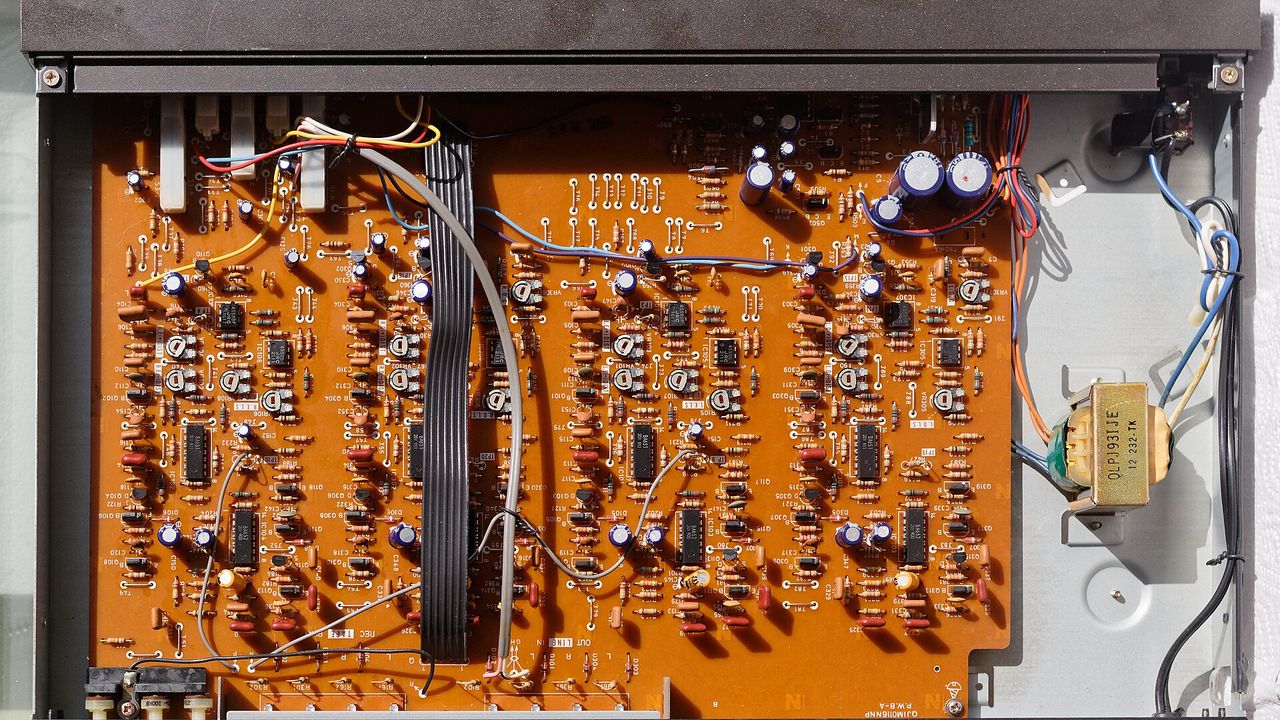
人工智慧伺服器引爆的硬體升級潮,正在最上游的基礎材料端掀起一場結構性風暴。本週最具指標性的訊號,來自上游材料大廠對供需情勢的定調,該廠以「異常嚴重」形容當前缺口,並隨即啟動銅箔基板調價。業界評估,第 2 代低介電玻纖布的供給缺口已突破 6 成,且缺料現象正迅速蔓延至T-Glass等高階材料,帶動價格上行週期一路看至 2027 年上半年。這場短缺之所以至關重要,在於它並非短暫的拉貨雜音,而是高速運算規格躍升下,上游技術壁壘與擴產週期過長所導致的物理性瓶頸,正直接重構整條電子零組件的成本分配機制。The hardware upgrade cycle unleashed by AI servers is triggering a structural storm at the foundational layer of upstream materials. The most telling signal this week emerged from a leading upstream supplier that characterized the supply-demand imbalance as "abnormally severe" and promptly pushed through price hikes for copper-clad laminates (CCL). Industry assessments indicate that the supply shortfall for second-generation low-dielectric (low-Dk) glass fabric has surpassed 60%, with shortages rapidly cascading into high-end materials like T-Glass, driving a price upcycle that looks set to extend through the first half of 2027. This shortage is significant not because of transient inventory adjustments, but because the physical bottlenecks stemming from advanced computing specs, steep upstream technical barriers, and long capacity expansion cycles are directly realigning cost allocations across the electronic component supply chain.
規格升級逼出最上游物理瓶頸Spec Upgrades Expose Foundational Upstream Physical Bottlenecks
這波漲價敘事的根源,在於伺服器架構推進帶來的物理規格變革。高速傳輸需要極低信號耗損,對印刷電路板基礎材料的介電要求呈現跳躍式提升,促使終端需求全面轉向第 2 代低介電玻纖布。然而,能夠穩定供應此類超高規格織物的廠商極度有限,窯爐建置與精密織造的技術門檻極高,擴產動輒耗時 2 到 3 年。缺口於是精準卡死在整條供應鏈中最難擴增、集中度最高的最上游環節,形成無法透過短期加班解決的實質斷點,並沿著玻纖布一路向銅箔基板與下游板廠施壓。The root of this pricing surge lies in the physics of advancing server architectures. High-speed transmission requires ultra-low signal loss, which in turn demands a quantum leap in the dielectric performance of printed circuit board substrates, driving end demand entirely toward second-generation low-Dk glass fabric. However, the roster of suppliers capable of reliably producing this ultra-high-spec material is vanishingly small. The technical barriers to kiln construction and precision weaving are exceptionally high, with capacity additions taking two to three years. The bottleneck is jammed directly into the most concentrated and capital-inflexible upstream link of the supply chain—a physical barrier that cannot be bridged with short-term overtime shifts—transmitting margin pressure from glass fabric down to CCL makers and fabricators.
缺口擴大拉長週期但不改終局Widening Deficits Extend the Cycle Without Altering the Endgame
市場對於材料短缺的時間軸有了更明確的坐標。新浮現的供應鏈數據顯示,第 2 代產品超過 6 成的缺口不僅未見緩解,更進一步外溢至其他高階玻璃纖維材料,使這輪漲價潮的可見度直接遞延至 2027 年上半年。不過,漲價週期並非毫無邊界。隨著同業新建產能預計在 2028 年前後陸續開出,整體供應極端緊縮的狀況終將迎來物理性緩解。屆時市場的驅動主軸,將會順理成章地從純粹的供不應求價格暴漲,轉變為各家廠商在良率、技術代際以及市占率上的長期實力角力。The market now has a clearer timeline for this material crunch. Fresh supply chain data indicates that the 60%-plus deficit in second-generation material is not abating, but rather spilling over into other high-end fiberglass categories, pushing visibility on this pricing wave out to the first half of 2027. Yet the upcycle is not without limits. As peer capacity expansions come online around 2028, acute market tightness will eventually see structural relief. At that point, the primary market driver will naturally shift from windfall profits driven by sheer scarcity to a protracted contest of manufacturing yields, technical generations, and long-term market share.
議價能力決定供應鏈損益版圖Pricing Power Dictates the Supply Chain's P&L Landscape
缺料引發的成本推升,在供應鏈各節點引發了截然相反的財務結果。握有稀缺資源的玻纖布供應商,以及具備技術領先優勢、能順利將原料漲幅轉嫁給終端客戶的一線銅箔基板廠,成為此波通膨循環的核心受益者。相對地,位處中下游的封裝與組裝廠,因直接面對強勢的雲端巨頭,議價空間相對受限,往往難以全額吸收材料端的巨額加價,毛利結構正面臨實質擠壓。這再度印證了產業分工的殘酷常態:同一場結構性缺料,在產業鏈的不同位置,正同時寫下利潤擴張與成本侵蝕。Cost inflation triggered by material shortages is generating diametrically opposed financial outcomes across the supply chain. Glass fabric suppliers with control over scarce resources, alongside tier-one CCL vendors equipped with technical moats to pass raw material hikes to end customers, are the primary beneficiaries of this inflationary cycle. Conversely, downstream packaging and assembly houses—facing dominant cloud hyperscalers with limited bargaining leverage—struggle to fully absorb upstream surcharges, facing tangible gross margin compression. This underscores a perennial industry dynamic: the very same structural shortage drives profit expansion at one node while eroding margins at another.
本刊判斷,高階材料短缺帶動的定價優勢仍在前半場發酵,上游的強勢地位短期難以撼動。接下來的觀察重心,在於中游基板業者能否在後續財報中展現出相應的毛利率擴張。倘若材料報價走高,中游利潤率卻未能同步提升,便意味著議價強勢僅局限於最頂端節點,產業鏈向下轉嫁的動力已出現耗損。In this publication's view, the pricing advantage generated by high-end material shortages is still in its opening acts, and the upstream sector's commanding position will be difficult to dislodge in the near term. The focal point ahead is whether midstream substrate makers can demonstrate commensurate gross margin expansion in upcoming earnings. If upstream prices climb while midstream margins fail to keep pace, it will signal that pricing leverage remains isolated at the tip of the spear, and the supply chain's ability to pass costs downward has begun to stall.
訂閱版深入追蹤中游基板廠的毛利率轉嫁成效,並評估不同環節業者的定價權變化。The subscriber edition tracks gross margin pass-through efficiency among midstream laminate makers and assesses shifting pricing power across each tier.