 AHI Journal
1.1 兆美元的租賃承諾,還沒進到資產負債表$1.1 Trillion in Lease Commitments Has Yet to Hit the Balance Sheet
雲端業者今年發債 2,200 億美元;已簽未執行的租約是已認列租賃負債的近 4 倍。AI 的第 2 階段不是誰算得快,是誰算得省。Cloud hyperscalers have issued $220 billion in debt this year; unexecuted lease commitments now approach four times recognized lease liabilities. The next phase of AI is not about who computes fastest, but who computes most efficiently.

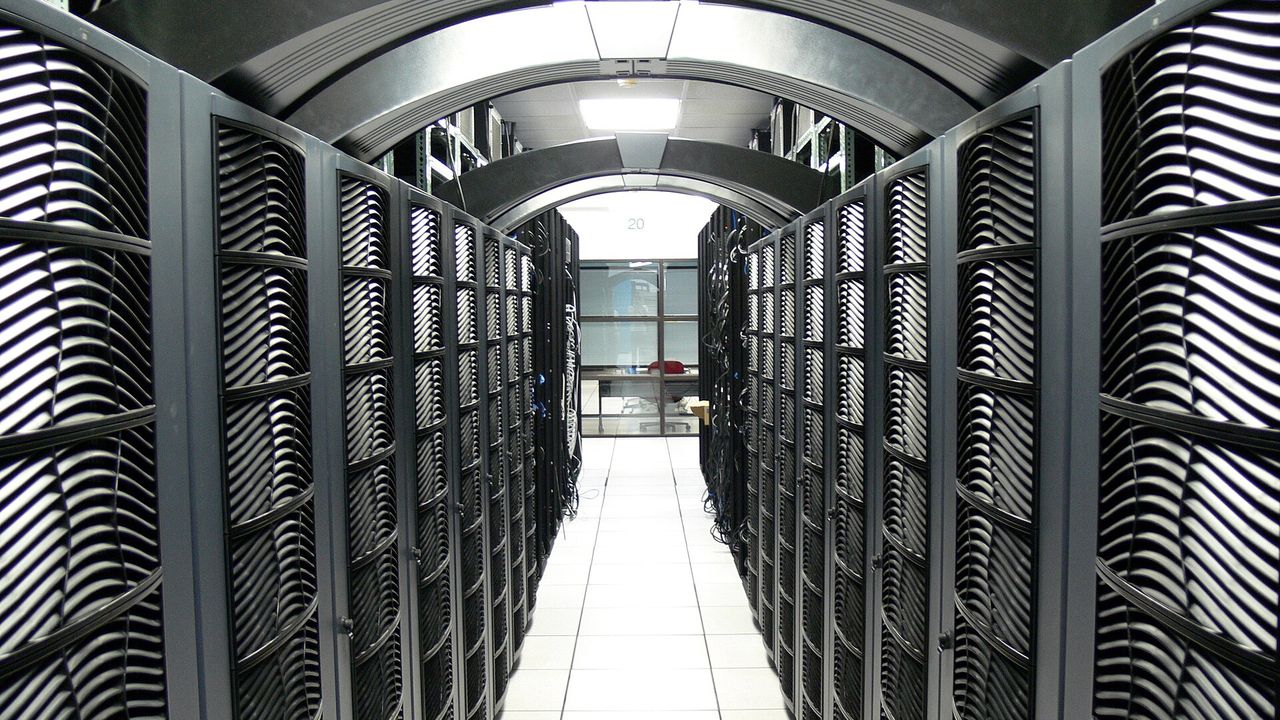
雲端運算產業正迎來一場資金結構的無聲劇變。最新產業數據揭露,雲端服務商今年以來發債規模已達 2,200 億美元,更驚人的是,資料中心已簽約卻尚未執行的租賃承諾,規模高達 1.09 兆至 1.16 兆美元,接近目前已認列在資產負債表上 2,850 億美元租賃負債的 4 倍。這意味著資本支出的膨脹速度,已經逼迫市場必須從融資結構與償還能力的視角來重新審視人工智慧。當算力建置的資金來源從自有營運現金流轉向外部借貸,未來的獲利曲線能否跑贏固定支付義務,成為當前產業生態最重要的壓力測試。The cloud computing sector is confronting a quiet yet profound shift in its capital structure. Fresh industry data reveal that cloud service providers have issued $220 billion in debt year-to-date. More strikingly, contracted but unexecuted data center lease commitments have ballooned to between $1.09 trillion and $1.16 trillion—nearly quadruple the $285 billion in lease liabilities currently recognized on balance sheets. This relentless pace of capital expenditure is forcing markets to reassess artificial intelligence through the lens of financing structures and debt-servicing capacity. As computing buildouts pivot from operating cash flows to external borrowing, whether future margin curves can outpace fixed payment obligations has emerged as the defining stress test for the entire ecosystem.
表外付款義務考驗未來現金流Off-Balance-Sheet Leases Test Future Cash Flows
龐大的表外租約本身並非會計瑕疵,依規定資料中心在正式交付啟用前無須入表,但這批高達 1.1 兆美元的潛在負債,徹底揭示了算力軍備競賽的資本密集度。目前市場上的參與者呈現鮮明分化:傳統雲端巨頭尚能依靠穩定的本業現金流支應租金與利息,但眾多新興算力業者與人工智慧新創,實質上已陷入依賴資產估值擴張或持續再融資才能履約的境地。這種循環融資模式將整個產業鏈綁在同一張合約上,一旦終端商業化應用的變現速度放緩,無法及時轉化為充沛的自由現金流,龐大的固定租金支出將迅速演變為流動性緊縮的起點。Massive off-balance-sheet commitments are not an accounting flaw; under prevailing standards, data center leases are not capitalized until facilities are formally delivered. Even so, this roughly $1.1 trillion mountain of shadow liabilities underscores the extreme capital intensity of the AI arms race. The field is bifurcating sharply: while incumbent hyperscalers can still lean on robust core cash flows to cover rent and interest, a flock of emergent compute providers and AI startups effectively depend on equity valuation expansion or perpetual refinancing to stay solvent. This circular financing model binds the supply chain to the same master contract. Should commercial monetization stall and fail to translate into ample free cash flow, those fixed commitments will swiftly trigger a systemic liquidity crunch.
算力採購轉向極致每瓦性價比Procurement Shifts to Pure Performance-per-Watt Economics
隨著融資成本攀升與資本支出審查轉嚴,終端客戶的採購邏輯出現根本轉折。過去 1 年硬體建置近乎不計代價地追求頂級通用加速器的運算速度,如今決策核心轉向精打細算:每一美元資本支出、每一瓦電力消耗以及每一個機櫃空間,究竟能產出多少單位的token輸出。在這種追求單位成本最小化的壓力下,特殊應用晶片展現出顯著優勢。透過捨棄與特定模型無關的冗餘功能,將電晶體純粹聚焦於關鍵算力架構,客製化晶片大幅壓縮了能耗與硬體購置成本,直接促成硬體採購權重從單一追求峰值效能,移向極致的功耗與經濟效益。Rising financing costs and heightened capex scrutiny are driving a fundamental turn in customer procurement. Over the past year, hardware infrastructure was assembled with near-reckless disregard for cost, chasing absolute peak compute speed on general-purpose accelerators. Today, decision-makers are counting every penny: evaluating how many tokens can be generated per dollar of capex, per watt consumed, and per rack occupied. Under intense pressure to minimize unit costs, application-specific integrated circuits (ASICs) are taking center stage. By stripping out logic redundant to specific model architectures and focusing silicon purely on primary workloads, custom processors dramatically slash power draw and procurement expenses—pivoting purchasing priorities from raw throughput to rigorous efficiency.
盤面資金拋售零組件重新排序Investors Dump Hardware Peripherals in Flight to Quality
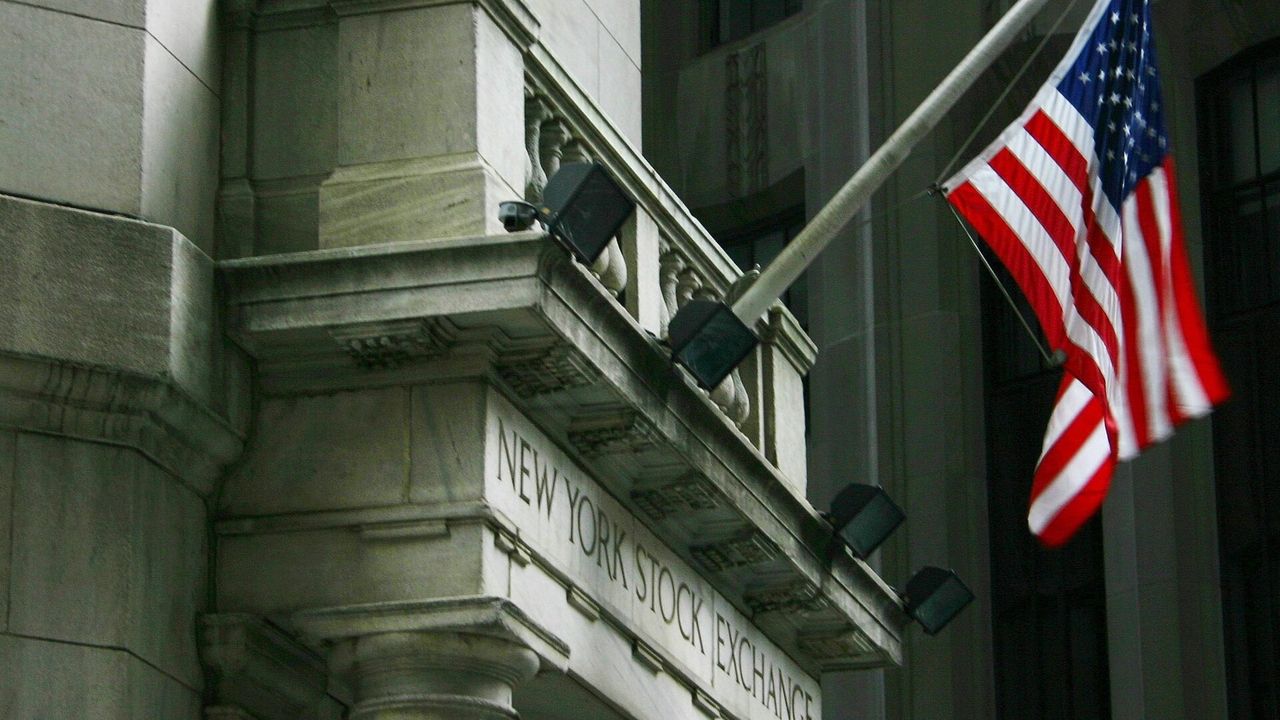
資本市場已在價格走勢中提前消化這套再平衡邏輯。美股近期出現劇烈分化,雲端巨頭相對抗跌,但先前受惠於規格升級的周邊硬體慘遭拋售,美光下跌 5.83%、希捷重挫 6.51%,光模組指標股單日跌幅更突破 13%,拖累費城半導體指數單日跌 2.7%,5 個交易日內累計跌幅達 9.5%。連帶使台股拉回至 44,762.32 點,單日下跌 1.02%,且成交量急凍至 6,294 億元。量縮下跌的盤面特徵反映出投資者並非否定整體人工智慧前景,而是對溢價過高、毛利承壓的周邊零組件進行部位調整,將資金集中至具備明確成本優勢的環節。Equity markets have begun pricing in this rebalancing with force. Wall Street has witnessed sharp divergence: while megacap hyperscalers have proved relatively resilient, peripheral hardware suppliers that had rallied on spec upgrades were dumped indiscriminately. Micron slid 5.83%, Seagate plunged 6.51%, and key optical transceiver plays cratered more than 13% in a single session, dragging the Philadelphia Semiconductor Index down 2.7% on the day and 9.5% over five trading sessions. The rout spilled into Taipei, where the TAIEX retreated to 44,762.32, off 1.02% as turnover withered to NT$629.4 billion. This low-volume pullback signals that investors are not abandoning AI outright, but trimming rich premiums on margin-squeezed component makers to concentrate capital where cost moats are unassailable.
當前的半導體與科技股震盪並非產業需求的證偽,而是算力擴張從野蠻生長步入精算期的必然結果。資金正在人工智慧生態系內部發動殘酷的重組,淘汰純粹販售算力卻無法保證回報的供應鏈,轉向能實質壓低運算成本的架構。接下來的關鍵不在於整體資本支出的絕對數字,而在於終端應用能否產出相稱的商業價值。The current turbulence across semiconductor and technology equities is not a repudiation of underlying demand; it is the inevitable transition from unchecked growth to ruthless financial calculation. Capital is orchestrating a brutal shakeout within the AI ecosystem, weeding out commoditized compute vendors unable to demonstrate return on investment in favor of architectures that fundamentally depress unit costs. The key variable ahead is no longer the headline size of total capital expenditure, but whether downstream enterprise adoption can yield commensurate commercial value.
訂閱版將深入分析循環融資架構下的供應鏈曝險程度,以及特定運算架構在成本效益轉向中的受惠順序。The subscriber edition provides an in-depth analysis of supply chain exposure under circular financing structures and ranks which compute architectures benefit first from the shift to cost efficiency.