 AHI Journal
MLCC漲價帶動,矽光子檢測設備跟著補單MLCC Price Hikes Spill Over; Silicon Photonics Testing Equipment Secures Fresh Orders
三星電機第 4 季調漲合約價,台廠迎轉單;矽光子加速商用化,精密設備接單同步升溫。Samsung Electro-Mechanics raises Q4 contract prices, driving spillover orders to Taiwanese suppliers; silicon photonics commercialization accelerates, boosting precision equipment bookings.
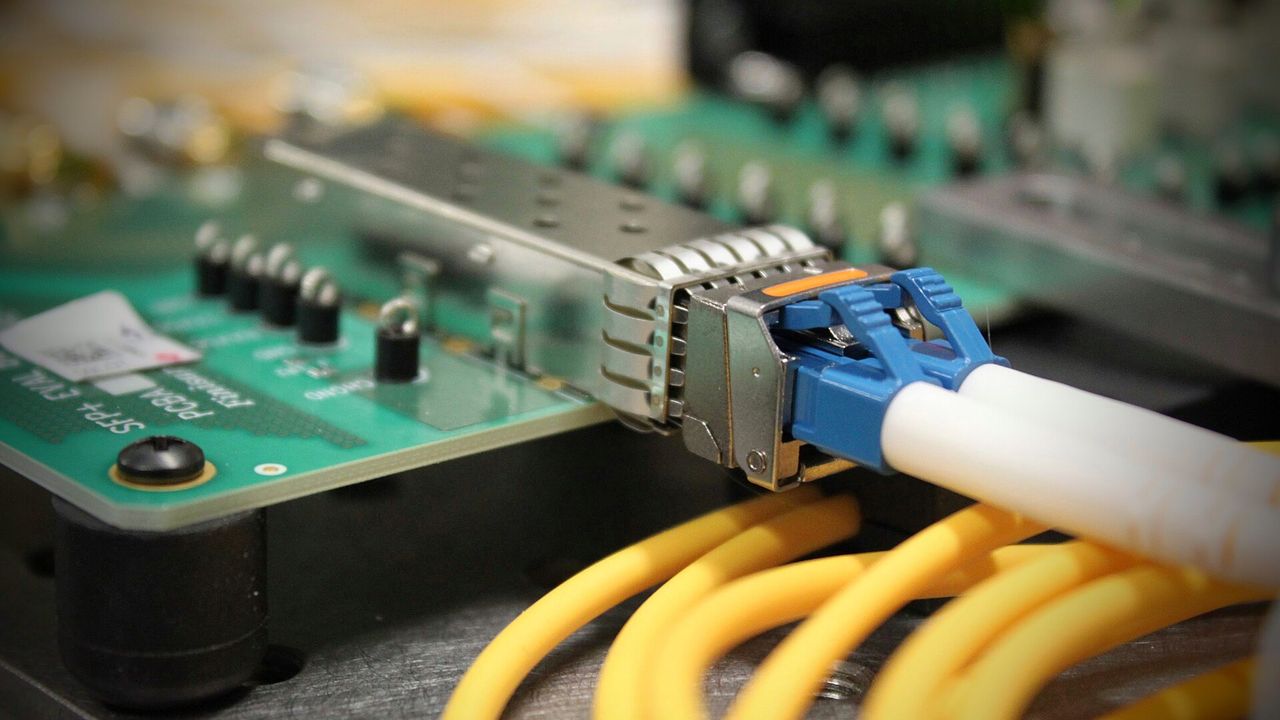
半導體市場正迎來一輪由關鍵瓶頸驅動的價格重分配。三星電機傳出第 4 季調漲部分被動元件合約價,推動外溢訂單轉向台灣供應鏈;與此同時,矽光子技術邁向商用化量產,引爆共封裝光學相關檢測設備的急單需求。國際半導體產業協會最新將今年全球半導體設備銷售預估大幅上修至 1,659 億美元,年增率達 23.2%,其中測試設備銷售額年增更達 31.0%。2 條同步升溫的漲價軸線顯示,本波景氣反彈不再僅是庫存去化後的被動回補,而是產能瓶頸自前段晶圓製造延伸至後段封測與材料端所引發的系統性外溢效應。The semiconductor market is undergoing a round of price reallocation driven by key bottlenecks. Samsung Electro-Mechanics is reportedly raising contract prices for certain passive components in the fourth quarter, driving spillover orders to the Taiwanese supply chain. At the same time, the commercialization and mass production of silicon photonics technology has triggered urgent orders for co-packaged optics (CPO) testing equipment. SEMI recently revised its global semiconductor equipment sales forecast for this year sharply upward to US$165.9 billion, representing a year-over-year growth of 23.2%, with testing equipment sales surging 31.0% year-over-year. These two parallel lines of price hikes indicate that the current cyclical rebound is no longer just passive restocking after inventory depletion, but a systematic spillover effect caused by capacity bottlenecks extending from front-end wafer fabrication to back-end packaging, testing, and materials.
被動元件調價引發訂單重新分配Passive Component Price Adjustments Trigger Order Reallocation
被動元件市場的價格傳導機制正悄然改變。三星電機啟動第 4 季報價調漲,釋出產能吃緊的明確訊號,使華新科等台系業者迎來轉單效應。這類漲價並非單純的原物料成本轉嫁,而是高階運算需求排擠常規產能後的供給重配。當一線大廠將資源集中於高階車用與高頻通訊領域,標準品與次級高階料件的供給缺口隨即擴大,不僅為台廠創造接單填補空間,更直接為沉寂已久的毛利率帶來顯著修復動能。供應鏈的訂單轉移不再只是短期比價結果,而是規格升級浪潮下的產能再平衡。The price transmission mechanism in the passive component market is quietly shifting. Samsung Electro-Mechanics initiated fourth-quarter price hikes, sending a clear signal of tight capacity and bringing order-transfer benefits to Taiwanese peers such as Walsin Technology. This type of price hike is not merely a pass-through of raw material costs, but a supply reallocation after high-performance computing demand crowded out conventional capacity. As tier-one manufacturers concentrate resources on high-end automotive and high-frequency communication sectors, the supply gap for standard and sub-high-end components has widened. This not only creates order-filling opportunities for Taiwanese factories but also directly injects significant recovery momentum into long-dormant gross margins. The shifting of supply chain orders is no longer just a short-term price comparison, but a capacity rebalancing under the wave of specification upgrades.
先進封裝與矽光子推升設備擴產Advanced Packaging and Silicon Photonics Drive Equipment Expansion
設備採購規模的急遽擴張,印證先進封裝正從技術概念轉化為實質產能瓶頸。今年全球前段製程設備銷售預計達 1,439 億美元,但測試設備高達 31.0%的年成長率,突顯出後段檢驗與封裝精密度才是當前關鍵卡點。矽光子與光互連技術加速商用化,促使國際客戶追加專用檢測與封裝設備訂單。從面板級封裝、測試介面升級,到光罩載具與鑽石碟等耗材需求同步揚升,顯示晶片架構走向立體堆疊後,製程複雜度提高正帶動整體設備供應鏈進入結構性的成長週期。The rapid expansion of equipment procurement confirms that advanced packaging is transitioning from a technical concept into a tangible capacity bottleneck. While global front-end equipment sales are projected to reach US$143.9 billion this year, the high 31.0% year-over-year growth rate of testing equipment highlights that back-end inspection and packaging precision are the current critical bottlenecks. The accelerated commercialization of silicon photonics and optical interconnect technologies has prompted international customers to place additional orders for dedicated testing and packaging equipment. From panel-level packaging and testing interface upgrades to consumables like photomask carriers and diamond discs, rising demand across the board indicates that as chip architectures move toward 3D stacking, increased process complexity is driving the entire equipment supply chain into a structural growth cycle.
廠務工程與設備自製率同步攀升Facility Engineering and Equipment Self-Sufficiency Rise in Tandem
先進製程擴產的實體瓶頸,正將紅利外溢至廠務端與本土自製設備廠。以無塵室統包工程為例,在手訂單突破 660 億元的指標業者,受惠新案陸續認列與海外擴廠需求放量,走出第 2 季毛利率 20.6%的相對谷底。另一方面,設備代理與晶圓再生業者第 2 季單季營收達 29.95 億元、毛利率突破 40%,自製設備營收比重更首度過半。這項轉變意味著本土供應鏈已跨越純代理的獲利天花板,在晶片製造商急於縮短擴產交期的壓力下,技術自主廠商享有更強的定價與利潤擴展實力。Physical bottlenecks in advanced process expansion are spilling over to facility engineering and local equipment manufacturers. Taking cleanroom turnkey engineering as an example, a leading player with an order book exceeding NT$66 billion has emerged from its second-quarter gross margin trough of 20.6%, benefiting from the recognition of new projects and the scaling of overseas expansion. On the other hand, equipment distributors and wafer reclamation players posted single-quarter revenues of NT$2.995 billion in the second quarter, with gross margins exceeding 40%, while the revenue share of self-developed equipment topped 50% for the first time. This shift means the local supply chain has broken through the profit ceiling of pure distribution. Under pressure from chipmakers eager to shorten lead times, self-sufficient technology firms enjoy stronger pricing power and margin expansion capabilities.
這波由MLCC外溢效應與矽光子設備需求所構築的漲價鏈,核心變數在於擴產與認證的時間差。後續觀察重點在於對手常規產能回補的速度,是否會壓縮台廠承接訂單的溢價空間;同時,矽光子與共封裝技術在各大客戶端的驗證節奏,能否如期轉化為長線訂單,將是檢驗設備採購潮延續力道的關鍵指標。For this price hike chain built on MLCC spillover effects and silicon photonics equipment demand, the core variable lies in the time lag between capacity expansion and certification. The key focus going forward is whether the speed of competitors' conventional capacity recovery will compress the premium space for Taiwanese manufacturers taking on orders. Meanwhile, whether the validation pace of silicon photonics and co-packaged optics technologies across major clients can translate into long-term orders as scheduled will be a crucial indicator of the sustainability of the equipment procurement wave.
訂閱版全文拆解先進封裝 6 大技術節點受惠清單、廠務在手訂單明細與客戶認證進度檢驗點。The subscriber edition breaks down the beneficiary list across six major advanced packaging technology nodes, detailed facility order books, and customer certification progress checkpoints.