 AHI Journal
外銷訂單 979 億美元創高:88% 增量僅來自 2 類產品Export Orders Hit Record $97.9 Billion: Two Categories Account for 88% of Growth
年增 61.9%、連 18 個月正成長。但把年增金額拆開,資通信與電子貢獻了將近 9 成——這是一次窄基礎的創高。Up 61.9% on year for an 18th consecutive month of expansion. Break down the dollar gains, however, and ICT and electronics drove nearly 90%—a narrow-based record.

經濟部公布 7 月外銷訂單達 979.4 億美元,年增 61.9%、月增 2.8%,寫下連續第 18 個月正成長並刷新單月歷史新高紀錄。這個成績不僅突破官方原先設定的 935 億至 955 億美元預估區間,更彰顯出人工智慧伺服器與周邊零組件拉貨動能的兇猛。然而,在耀眼的表面總額之下,這場出口擴張並非雨露均霑的全面復甦。增長的動力幾乎全部被鎖定在特定領域,讓台灣景氣循環與單一科技巨頭的資本支出綁定到前所未有的深度。當訂單金額攀上峰頂,看懂背後的成色與結構分化,比單純為創高數字喝采更加關鍵。Taiwan's Ministry of Economic Affairs reported July export orders of $97.94 billion, up 61.9% year-over-year and 2.8% month-over-month, marking an 18th consecutive month of positive growth and setting a single-month record. The result comfortably cleared the official forecast range of $93.5 billion to $95.5 billion, underscoring fierce procurement momentum for artificial intelligence servers and peripheral components. Beneath the dazzling headline, however, this export expansion is far from a broad-based recovery. Growth momentum has become almost entirely concentrated in a narrow slice of the economy, yoking Taiwan's business cycle to the capital spending of a handful of tech giants with unprecedented intensity. With headline orders at their zenith, scrutinizing the underlying composition and structural divergence matters far more than cheering the top-line record.
雙汽缸運轉掩蓋產業分化Dual Cylinders Mask Industrial Divergence
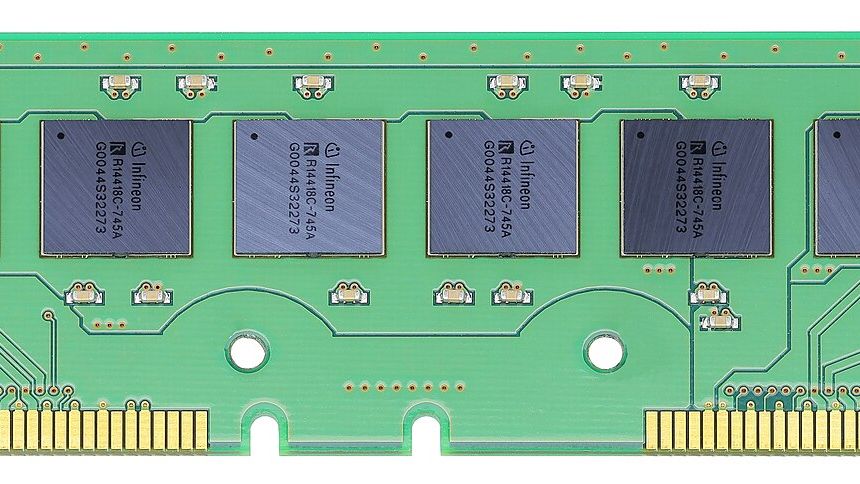
深入拆解 7 月數據,電子產品與資訊通信 2 大類別合計接單 745.9 億美元,占整體外銷訂單高達 76.2%。與去年同期相比,這 2 項核心業務年增金額達到 329.8 億美元,意味著整個月份高達 88%的年增量,全部由這 2 條產品線包辦。這種極致的結構失衡,說明台灣的出口引擎不是多輪齊轉,而是仰賴雙汽缸超轉前進。短期來看,全球超大型資料中心對算力的激進採購,創造了令人驚豔的總體數字;但中期而言,傳產與非AI電子的疲態被掩蓋,整體產業對人工智慧終端需求的抗震能力大幅降低。一旦北美雲端業者的資本支出腳步放緩,訂單動能的下修風險將迅速擴散。A closer look at the July data shows that electronic products and information and communication technology (ICT) collectively booked $74.59 billion in orders, accounting for 76.2% of the total. Compared with the same period last year, these two core categories expanded by $32.98 billion—meaning that fully 88% of the entire month's annual incremental gain came from these two product lines alone. This extreme structural skew indicates that Taiwan's export engine is not firing on all cylinders, but rather running on two hypercharged ones. In the near term, aggressive computing-power procurement by global hyperscalers is generating striking aggregate numbers; over the medium term, however, persistent weakness across traditional industries and non-AI electronics is obscured, sharply reducing the broader economy's resilience to shifts in end-market AI demand. Should North American cloud providers moderate their capital expenditures, order downside risks will propagate quickly.
產能回流加劇地緣曝險集中Onshoring Deepens Geopolitical Concentration Risk
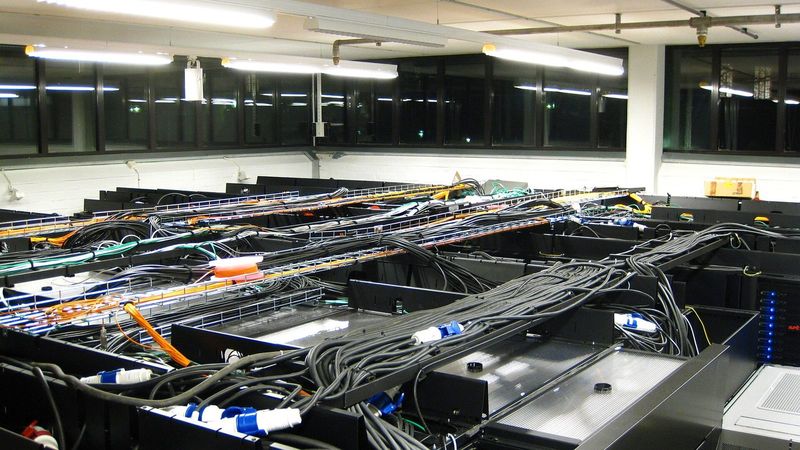
除了產品類別的高度傾斜,接單後的生產配置也出現微妙位移。7 月份外銷訂單的海外生產比重降至 45.6%,較 1 年前下滑 0.6 個百分點。這項變化的主因,在於資訊通信廠商因應高階伺服器組裝的機密性與客戶要求,顯著拉高了在台灣本土生產的比例。高附加價值產線與訂單回流,確實替國內製造業產值、高階硬體投資與工程就業帶來堅實支撐;但硬幣的另一面,是台灣在地緣政治張力升高之際,承擔了更高密度的實體曝險。當全球最關鍵的運算架構產能進一步鎖定在島內,供應鏈彈性與生產集中度之間的權衡,已成為製造商在迎來訂單激增時不得不面對的代價。Alongside category skew, the geographical allocation of production post-order booking showed subtle shifts. The overseas production share for July export orders dipped to 45.6%, down 0.6 percentage point from a year earlier. The change was primarily driven by ICT manufacturers shifting a higher proportion of assembly back to domestic facilities in Taiwan to meet client security demands and safeguard proprietary advanced server architectures. The reshoring of high-value manufacturing and orders provides solid support for domestic industrial output, high-end hardware investment, and engineering payrolls. Yet the flip side is that Taiwan is assuming a denser physical footprint precisely as geopolitical tensions mount. With the world's most critical compute capacity concentrated further within the island, balancing supply-chain resilience against manufacturing concentration has become an unavoidable cost of the current order boom.
過去需求遭遇未來成本轉緊Past Demand Collides With Tightening Forward Costs
儘管官方對 8 月接單預估續看 970 億至 990 億美元、年增維持 6 成以上,廠商動向指數亦處於擴張區,金融市場卻在 8 月下旬展現出全然相悖的冷靜。美國對伊朗制裁升溫推升布蘭特原油逼近每桶 95 美元,再度引發通膨反撲擔憂,美股標普與道瓊應聲回跌;台股即便坐擁創高訂單,單日僅小漲 0.48%收在 44,934 點,且成交量持續呈現萎縮。這種基本面與行情的脫節,源於兩者反映的時態差異:訂單數據反映的是過去數月簽署的交付排程,而油價與利率預期定價的則是未來數月的營運成本。當歷史數據衝向峰值而未來成本結構驟然吃緊,資本市場選擇了保守防禦。Although official estimates point to another solid month of $97 billion to $99 billion in August orders—maintaining annual growth above 60% alongside expansionary manufacturer sentiment readings—financial markets adopted a decidedly cooler posture in late August. Tightening U.S. sanctions on Iran pushed Brent crude near $95 a barrel, reigniting inflation anxieties and dragging down the S&P 500 and Dow Jones Industrial Average. Even with record order figures in hand, the Taiex rose just 0.48% on the day to close at 44,934, as trading volume continued to wither. This disconnect between macro fundamentals and market action stems from a temporal mismatch: export orders reflect delivery schedules finalized months ago, whereas crude prices and interest-rate expectations price operating costs months ahead. With backward-looking data scaling peaks just as forward cost structures tighten, capital markets opted for defensive positioning.
本刊判斷,外銷訂單的強勁目前仍屬於滯後確認,台股量能不繼正是市場對窄基礎成長與通膨成本夾擊的合理防守。接下來應密切觀察終端雲端服務商的資本支出指引是否出現修正信號,以及能源成本對非科技部門毛利的進一步侵蝕,這將決定訂單紅利能否轉化為實質盈利擴張。AHI Journal views the robust export order figures as a lagging confirmation, with tepid Taiex turnover reflecting a prudent market defense against narrow-breadth growth and resurgent inflation risks. The critical indicators to monitor next are whether cloud service providers adjust their capital-expenditure guidance and the degree to which energy prices erode non-tech margins, which will determine whether the order bonanza translates into durable earnings expansion.
訂閱版深入拆解AI供應鏈產能瓶頸、海外生產轉移趨勢,以及油價通膨對科技股估值的具體壓力測算。The subscriber edition breaks down capacity bottlenecks across the AI supply chain, offshore production shifts, and stress-tests tech equity valuations against rising oil and inflation headwinds.