 AHI Journal
韓股單日 5.89%、台股 0.48%:同一個題材,兩種分配Korea +5.89%, Taiwan +0.48%: One Theme, Two Allocations
記憶體行情在韓國是指數行情,在台灣是類股行情。The memory rally is an index-level surge in South Korea, but merely a sector-level trade in Taiwan.
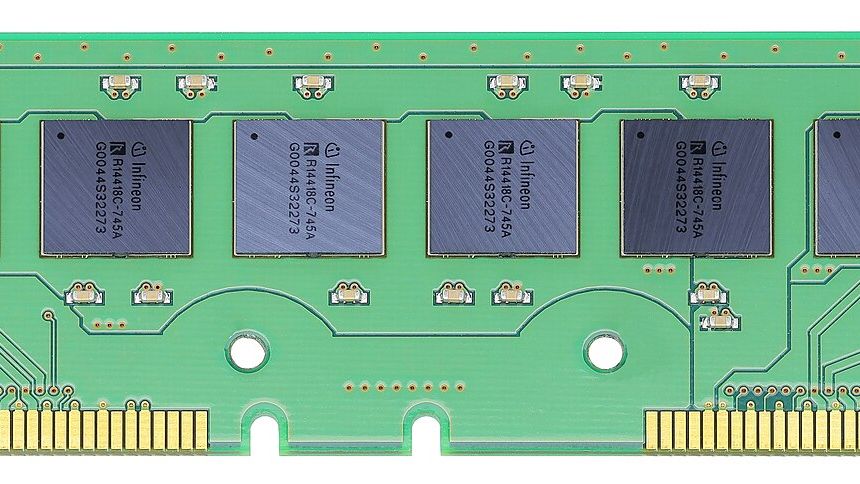
8 月 20 日亞洲半導體市場展現出極具張力的走勢分歧。韓國KOSPI指數單日暴漲 5.89%,日經 225 指數上漲 1.36%,相較之下,台灣加權指數僅微幅收高 0.48%。同一時間,美股標普 500 指數下跌 0.87%,道瓊工業指數下跌 1.32%,全市場僅有費城半導體指數在記憶體巨頭支撐下維持 0.53%的小幅紅盤。這場全球股市的局部狂歡揭示了一個核心現實:同一個記憶體產業復甦題材,在不同資本市場產生了截然不同的定價結果。當韓國市場將其演繹為整體指數的暴力噴出時,台股卻陷入個股熱鬧、指數牛皮的尷尬局面,這背後是兩地市場底層結構的根本差異。Asian semiconductor equities diverged sharply on August 20. South Korea's Kospi surged 5.89% and Japan's Nikkei 225 gained 1.36%, while Taiwan's Taiex managed only a muted 0.48% advance. Over the same session, Wall Street struggled, with the S&P 500 falling 0.87% and the Dow slipping 1.32%; only the Philadelphia Semiconductor Index eked out a 0.53% gain, propped up by memory makers. This regional divergence highlights a key dynamic: the same memory-cycle recovery theme yielded vastly different pricing across equity markets. While Seoul staged a violent index-level breakout, Taipei was caught in an awkward grind where thematic small caps rallied but the benchmark stalled, reflecting deep structural differences between the two bourses.
權重結構決定行情層次與指數定價Index Weighting Dictates Headline Beta
市場漲幅的巨大鴻溝,本質上源自指數權重組成的物理限制。在韓國股市中,三星電子與SK海力士這 2 大記憶體巨擘合計佔據了極高比例的市值權重,一旦記憶體景氣循環出現轉折訊號,足以直接轉化為推動整個KOSPI指數大漲近 6%的全面性指數行情。然而,台灣加權指數的命脈主要繫於晶圓代工龍頭與大型電子代工組裝廠,記憶體製造商與IC設計廠商的權重佔比相對有限。這意味著,全球記憶體產業的強勁復甦在台股只能以次產業或中小型類股輪動的形式發酵,完全無法像韓股一樣形成撼動大盤的指數級多頭動能。The performance gap between the two markets boils down to index composition. In South Korea, Samsung Electronics and SK Hynix together command a massive proportion of total market capitalization. When signs of a cyclical turnaround in memory emerge, they readily translate into a broad index rally capable of propelling the entire Kospi nearly 6% higher in a single day. In contrast, the Taiex is dominated by leading pure-play pure-wafer foundry TSMC and major electronics contract assemblers, leaving memory producers and memory-related IC design houses with a comparatively modest index footprint. Consequently, a strong global memory recovery can only play out in Taiwan via sub-sector rotations or mid-and-small-cap rallies, lacking the weight required to generate headline-level momentum.
資金外溢效應牽動外資區域權重挪移Capital Spillovers Prompt Regional Rebalancing
這種權重結構的差異帶來了兩層實質的投資意涵。首先,單純依賴加權指數的表現來判斷記憶體週期的演進將會出現嚴重失真,投資人必須直接檢視個別記憶體原廠與模組廠的報價與營運數據,而非被大盤沉悶的點位所誤導。更深遠的影響在於區域資金的重新配置。當跨國被動資金與主動型外資基金尋求押注記憶體復甦題材時,能提供更高貝塔值與直接流動性的韓國市場,自然會吸納比台股更龐大的增量買盤。同一個題材在鄰近市場引發強烈指數效應時,台股相關類股往往面臨外資權重邊際排擠的隱形壓力。These structural differences carry two distinct investment implications. First, relying solely on the Taiex benchmark distorts perceptions of the memory cycle; investors must examine memory makers and module houses directly through spot pricing and operational metrics rather than through the sluggish broad market. Second, and more critically, it drives cross-border capital reallocation. When global passive funds and active foreign allocators seek direct exposure to a memory turnaround, the South Korean market—offering higher beta and direct index-level liquidity—naturally captures the bulk of incremental inflows. When the same thematic thesis ignites a powerful index rally in a peer market, Taiwan's related plays often face marginal crowding-out as global allocators tilt regional weightings.
題材點火難掩量能萎縮的觀望心態Niche Buzz Masks Volume Contraction
回顧當日台股的內部籌碼與族群表現,市場呈現出明顯的防禦性輪動與題材點火特徵。盤面資金主要流向機器人概念股、印刷電路板上游原物料以及特定記憶體周邊組件,但整體大盤成交金額並未放大。這種反彈缺乏連續量能配合的格局,暴露出主力買方在指數層面裹足不前的謹慎心態。賣方研究機構雖然建議在大盤補量之前將操作焦點收攏至特定利基題材,但結構上的量價背離顯示,缺乏主流權值股表態的局部行情,很容易在短線題材過熱後遭遇獲利了結賣壓,整體市場的風險偏好尚未真正全面修復。Under the hood of the Taiex, market action revealed defensive sector rotation and selective thematic trading. Turnover flowed toward robotics concepts, upstream printed circuit board laminates, and select memory peripherals, yet total market turnover failed to expand. This inability of the bounce to draw sustained volume betrayed institutional hesitance to take on broad index exposure. While sell-side brokerages recommended focusing on niche thematic ideas until volume returns to the broader market, the underlying divergence between price and volume shows that fragmented rallies unsupported by flagship heavyweights remain susceptible to swift profit-taking once speculative interest cools. Broad market risk appetite has yet to stage a genuine recovery.
指數反彈無力伴隨成交量能持續萎縮,是機構法人不願在宏觀變數明朗前承擔額外曝險的明確訊號。當前亞洲科技股面臨的多重干擾仍在持續演進,包含能源價格波動、長天期美債殖利率的高位震盪,以及全球人工智慧領頭羊即將揭曉的最新營運成果。在這些關鍵變數確立方向之前,台股短期內難以擺脫量縮整理的結構。A sluggish index rebound accompanied by contracting trading volume signals that institutional investors remain unwilling to add risk before macroeconomic uncertainties clear. Asian tech faces an evolving mix of headwinds, including volatile energy markets, elevated long-duration U.S. Treasury yields, and forthcoming earnings reports from global artificial-intelligence leaders. Until those directional catalysts resolve, the Taiex is likely to remain locked in low-volume consolidation.
訂閱版將深入拆解亞股權重配置差異,並追蹤關鍵不確定性消退後的資金轉向動態。The subscriber edition breaks down weighting disparities across regional Asian indices and charts capital rotation trajectories once prevailing macro uncertainties clear.