 AHI Journal
本週學到的一件事:算力的帳單開始出現在債市What We Learned This Week: The Bill for Compute Is Showing Up in the Bond Market
市場態:武裝態——近 5 日加權指數下跌 2.36%、櫃買下跌 3.98%,量能持續萎縮;長天期殖利率與油價同時偏緊,外銷訂單創高但集中度高。Market State: Armed posture: Over the past five sessions, the TAIEX dropped 2.36% and the TPEx fell 3.98% on shrinking volume. Long-term yields and oil prices remain tight, while record export orders show heavy concentration.
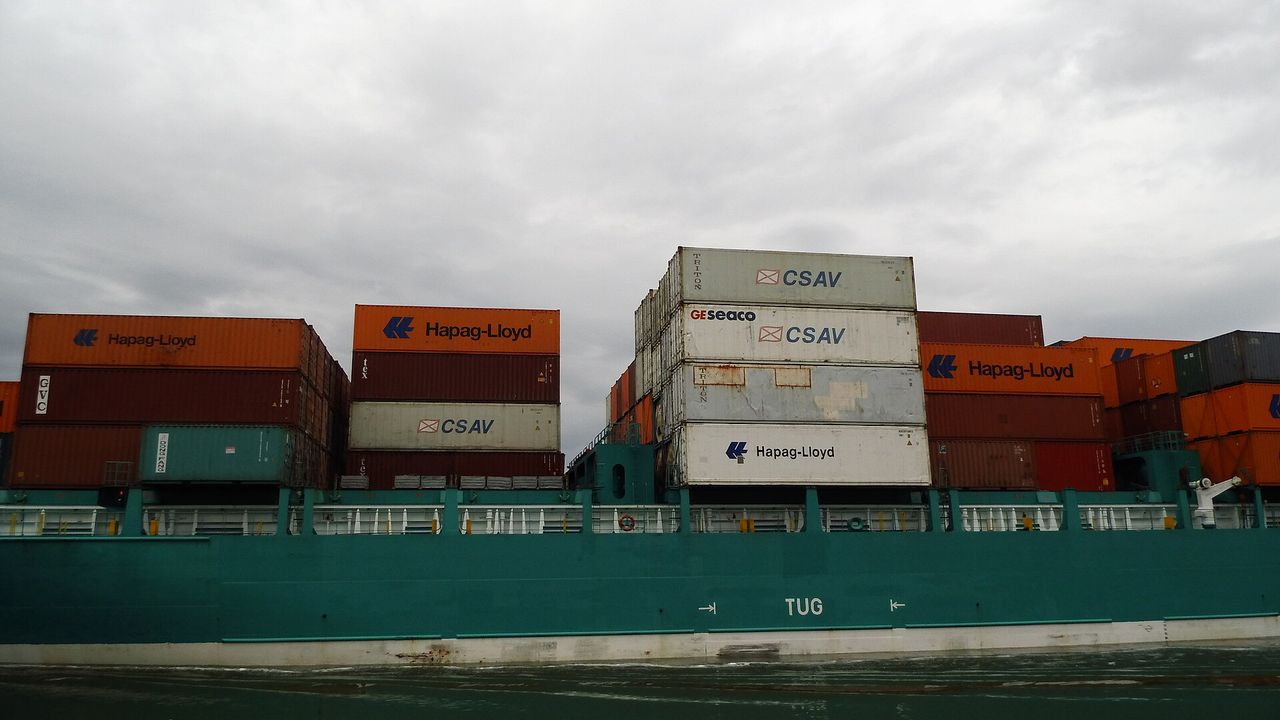
加權指數近 5 個交易日下挫 2.36%,櫃買市場同步回檔 3.98%,最顯著的特徵並非價格修正,而是成交量能持續萎縮。多數投資人將焦點放在外銷訂單數據刷新紀錄、玻纖布缺口擴大與海運運價突破萬美元等產業亮點,卻忽略了全球資本市場正在發生本質上的板塊挪移。過去 1 週最關鍵的信號,在於科技巨頭為了支應龐大算力資本支出,正式轉向長期債券市場籌資,使原先由政府赤字主導的長債市場湧入龐大新供給。當算力帳單轉化為實質利率壓力,長天期殖利率與油價聯手緊縮金融環境,市場對未來的折現率正被重新定價。Taiwan's benchmark TAIEX slipped 2.36% over the past five trading sessions, with the OTC market falling 3.98% in tandem. The most defining feature of the pullback was not the price correction itself, but steadily drying transaction volumes. While most investors focused on robust industrial data—including record export orders, an escalating shortage of high-end glass fabric, and spot container freight rates topping $10,000—they overlooked a fundamental tectonic shift in global capital markets. The pivotal signal over the past week was tech giants formally tapping the long-term corporate bond market to fund massive AI capital expenditures, flooding a market already strained by heavy government debt issuance. As compute capital expenditures translate into real interest-rate pressure, rising long-dated yields and elevated oil prices are tightening financial conditions, forcing markets to reprice discount rates across all asset classes.
科技巨頭發債競價推升期限溢價Tech Issuance Squeezes Long-End Liquidity, Driving Term Premia Higher
長期資金池的供需失衡不再只是總體經濟命題,而是直接反映在定價指標。科技巨頭過去坐擁龐大現金,如今為建設AI基礎設施,大舉發行長天期公司債,直接與各國財政部公債競逐流動性。長債拍賣的認購倍數從過往 5 倍水準驟降至 2 倍以下,新發利差讓利幅度擴大到 12 個基點以上。這些數據顯示市場承接長期固定收益資產的胃納量迅速收縮。當期限溢價被迫走高,實質借貸成本墊定底線,算力擴張不再是無代價的狂歡,而是直接向金融市場抽取流動性,壓制了各類資產的評價空間。The supply-demand imbalance in the long-term capital pool is no longer merely a macroeconomic theoretical debate; it is directly evident in pricing benchmarks. Tech titans, previously flush with cash, are issuing massive tranches of long-term corporate bonds to finance AI infrastructure, competing head-to-head for liquidity against sovereign treasury issuances. Bid-to-cover ratios in long-bond auctions have dropped sharply from historical averages near 5x to below 2x, while new-issue concessions have widened by more than 12 basis points. These metrics indicate a rapid contraction in market appetite for long-duration fixed-income assets. As term premia are forced higher and real borrowing costs set a higher floor, AI infrastructure expansion is no longer a cost-free frenzy—it is actively draining liquidity from financial markets and capping valuation multiples across risk assets.
基本面榮景與萎縮量能的背離Fundamental Euphoria Diverges from Drying Trading Volumes
將視野拉回台股市場,盤面正呈現極端的分裂走勢。外銷訂單金額創下歷史新高、上游關鍵材料玻纖布缺口超過 6 成、熱門航線貨櫃運價突破萬美元大關,各項營運數據看似無懈可擊,成交量卻連日低迷不振。這種「有基本面卻沒有交易量」的背離現象,本質上是時間維度的衝突。亮眼的接單數據與缺料報價,記錄的是過去數季累積並已落地的需求;而走升的長債殖利率與偏緊的國際原油價格,代表的則是產業未來必須承擔的資金與營運成本。當市場察覺未來的獲利可能被通膨與折現率侵蝕,買盤自然選擇在當前高檔停下腳步、持續觀望。Back in Taiwan's equity market, trading boards reflect extreme divergence. Export orders hit historic highs, upstream shortages of key electronic glass fabric exceeded 60%, and container spot rates on premier trade lanes cleared the $10,000 mark. Yet despite flawless operational data, daily trading volumes have languished. This divergence—robust fundamentals paired with anemic turnover—reflects a mismatch in time horizons. Stellar order data and component price spikes reflect demand accumulated and delivered over past quarters. Conversely, rising long-dated bond yields and sticky international crude prices represent the capital and operational cost burdens the industry must bear going forward. Sensing that future earnings may be eaten away by inflation and higher discount rates, buyers are standing down at market highs to adopt a wait-and-see posture.
重大事件壓境促使資金回防觀望Macro Catalyst Pipeline Keeps Institutional Capital Sidelined
宏觀變數的密集期加劇了市場的戒備情緒。接下來的交易日程充滿不可預測的重量級事件,包括全球晶片龍頭財報發布、全球央行年會上的貨幣政策風向,以及即將公布的美國核心個人消費支出物價指數。每一項數據都可能推翻當前市場對降息節奏的共識。在多重變數塵埃落定之前,機構資金沒有理由冒險進場追價。供應鏈內部的壓力傳導同樣不容忽視,上游原材料因缺口帶動報價飛漲,中游基板製造商能否順利轉嫁成本、守住毛利率,將是檢驗基本面擴張是否具備實質黏著度的重要關卡,決定算力紅利能否轉化為健康的循環。A crowded calendar of macroeconomic catalysts has intensified institutional caution. The upcoming trading slate is packed with heavyweight events, including earnings from global chip bellwethers, monetary policy signals from the Jackson Hole Economic Symposium, and the release of the U.S. Core PCE price index. Any one of these prints could upend prevailing market consensus on the pace of rate cuts. Until these variables settle, institutional capital has little incentive to chase prices higher. Upstream cost pass-through warrants equal scrutiny: as raw material shortages drive upstream quotes sharply higher, whether midstream copper-clad laminate (CCL) and substrate makers can successfully pass along costs to protect gross margins will be a crucial test of whether the fundamental expansion possesses genuine pricing power, determining if compute tailwinds can translate into a sustainable cycle.
面對成本墊高與事件風險,本刊在情勢明朗前維持「武裝態」,不因單一強勁數據盲目樂觀。接下來觀察重點在於結構的健康程度:首先,接單動能能否從高度集中的運算領域,實質擴散至更廣泛的非電子產業;其次,面對上游材料漲勢,中游業者能否守穩獲利率。這 2 項趨勢將決定本波行情的韌性。Confronted by elevated cost structures and headline event risks, AHI Journal maintains a defensive posture until conditions clarify, advising against blind optimism based on isolated data points. Going forward, the key gauge of market health will be twofold: first, whether order momentum can broaden from highly concentrated computing hardware into non-tech sectors; and second, whether midstream suppliers can defend gross margins against surging raw material costs. These two indicators will ultimately dictate the staying power of the current cycle.
訂閱版提供完整的武裝態因應指引,並深度追蹤中游基板毛利率變化與非電子外銷動向。The subscriber edition delivers actionable guidelines for our defensive stance, with deep-dive tracking of midstream laminate margins and non-tech export order trends.