 AHI Journal
同一個月,兩種曲線:光通訊與載板衝高,鏡頭年減 16%Two Paths in August: Optical and Substrates Surge as Lens Modules Drop 16%
台光電年增 129.85%、聯亞年增 180.9%、高力年增 112.84%;大立光年減 16.23%。Elite Material +129.85%, LandMark Optoelectronics +180.9%, Kaori Heat Treatment +112.84%; Largan Precision -16.23%.
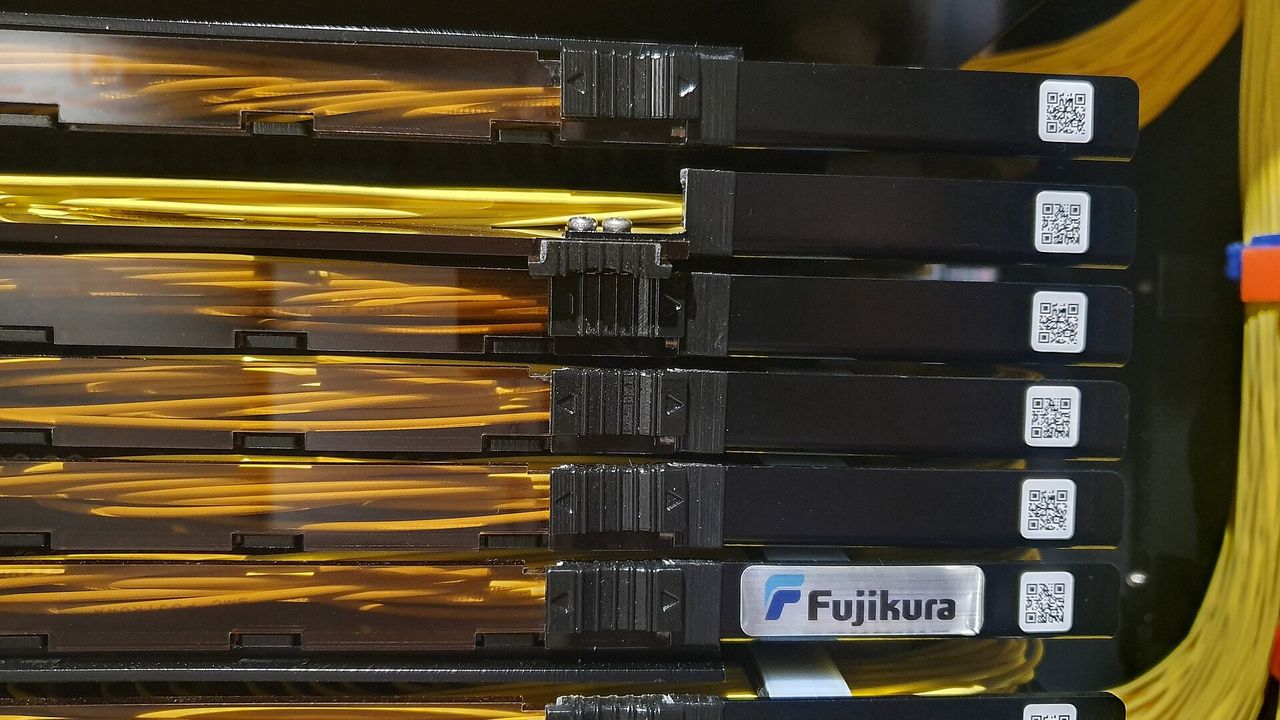
台灣科技產業 8 月營收公佈,市場看見了截然不同的 2 條曲線。一端是以人工智慧為核心的材料、光通訊與測試供應鏈,營收呈現翻倍式的爆發;另一端則是傳統消費性電子的旗艦指標,在傳統出貨旺季依然落入衰退。台光電 8 月營收衝破 200 億元,聯亞與高力的年增率雙雙跨越 100%門檻;相較之下,大立光單月營收卻較去年同期衰退超過 16%。這項數據打破了市場對於下半年電子業全面復甦的預期,揭示出硬體投資已進入高度分化的殘酷淘汰賽。企業能否切入算力基建的關鍵瓶頸,決定了營收規模是創歷史新高還是陷入泥淖。Taiwan's technology sector posted its August revenue figures, revealing two starkly divergent trajectories. On one side, suppliers tied to artificial intelligence—spanning high-end materials, optical communications, and chip testing—enjoyed explosive, triple-digit sales growth. On the other, flagship stalwarts of traditional consumer electronics slipped into year-over-year contraction despite entering what is typically their peak shipping season. Elite Material saw August revenue surge past 20 billion New Taiwan dollars, while LandMark Optoelectronics and Kaori Heat Treatment both notched year-over-year growth exceeding 100%. In contrast, smartphone lens maker Largan Precision experienced a revenue drop of more than 16% from a year earlier. The figures puncture market hopes for a broad-based second-half tech recovery, underscoring a brutal shakeout where exposure to AI computing bottlenecks dictates whether balance sheets print record highs or sink deeper into stagnation.
算力基建推升材料與光通訊出貨AI Infrastructure Supercharges Materials and Optical Components
在AI伺服器與高速傳輸架構擴建帶動下,上游關鍵材料與光通訊零組件展現出前所未見的拉貨力道。台光電 8 月營收達到 201.46 億元,月增 4.89%、年增 129.85%,主要受惠於高階銅箔基板在AI伺服器的滲透率快速拉升,且下半年產品報價仍具備向上調整空間。與此同時,光通訊磊晶廠聯亞 8 月營收來到 5.20 億元,年增幅更高達 180.9%。這波暴增背後的核心動力在於關鍵材料供給瓶頸解除,磷化銦基板恢復正常供應後,生產阻礙迅速轉移至後段產能。上游零組件不僅打破出貨限制,更形成量價齊揚的強勁擴張態勢。Driven by aggressive deployments of AI servers and high-speed networking fabrics, upstream materials and optical components saw unprecedented order momentum. Elite Material reported August revenue of NT$20.146 billion, up 4.89% month over month and 129.85% year over year, buoyed by the rapid adoption of its premium copper-clad laminates in AI servers and room for further pricing hikes in the second half. Concurrently, optical communications epitaxy specialist LandMark Optoelectronics generated August revenue of NT$520 million, marking an astronomical 180.9% year-over-year jump. This surge was catalyzed by the clearing of material bottlenecks: with normal supplies of indium phosphide substrates restored, production friction shifted swiftly to back-end capacity, driving an environment of rising shipment volumes and firming average selling prices.
散熱走出淡季配合封測產能滿載Thermal Solutions Rebound as Chip Testing Runs at Capacity
這股由算力驅動的增長動能,同樣外溢至伺服器散熱解方與後段晶片封裝測試環節。高力 8 月營收達到 12.04 億元,月增 30.48%、年增 112.84%,繳出超出市場原先預估逾 2 成的成績單,主因在於散熱業務全面走出淡季低谷,液冷等相關散熱方案需求激增。測試大廠欣銓 8 月自結營收亦繳出 17.94 億元、年增 46.57%的歷史新高紀錄。欣銓龍潭新廠自 7 月正式進入量產後,全力聚焦於AI特殊應用晶片(ASIC)的測試服務,機台稼動率迅速逼近滿載。設備運轉效率與新產線的快速開出,印證了雲端服務業者對算力硬體的採購絲毫未見停歇。The computing boom spilled over vigorously into thermal management systems and back-end semiconductor testing. Kaori posted August revenue of NT$1.204 billion, representing a 30.48% sequential rise and a 112.84% year-over-year surge—topping consensus estimates by more than 20%—as its thermal business emerged decisively from cyclical troughs on booming demand for liquid-cooling hardware. Meanwhile, chip-testing specialist Ardentec logged record monthly revenue of NT$1.794 billion, up 46.57% year over year. Since kicking off volume production in July, Ardentec's new Longtan facility has been laser-focused on testing AI-specific integrated circuits (ASICs), pushing equipment utilization rates near maximum capacity. Rapid line bring-ups and high asset turnover confirm that cloud hyperscalers have yet to tap the brakes on compute procurement.
手機鏡頭旺季受挫面臨良率考驗Smartphone Optics Slump Amid Yield Hurdles During Peak Season
與算力供應鏈的狂飆形成強烈對比,手機光學龍頭大立光的營收曲線卻在旺季逆勢下滑。大立光 8 月營收為 50.12 億元,雖然較上月微增 2.76%,但與去年同期相比萎縮 16.23%,落後市場機構預期達 16.62%。手機品牌傳統拉貨節奏失靈,關鍵在於標準機種鏡頭出貨時程遞延,導致原本期待的旺季補量落空。儘管市場寄望摺疊機上市與高規格可變光圈鏡頭帶來單價提升,但新產品投產初期面臨嚴苛的良率耗損,不僅短期難以彌補營收缺口,更直接壓抑第 3 季毛利率展望。消費性硬體的換機動能疲弱,讓供應鏈必須先吞下良率學習的代價。In jarring contrast to the AI supply chain's ascent, flagship mobile lens maker Largan Precision stumbled during its supposed seasonal upswing. August revenue reached NT$5.012 billion, edging up just 2.76% from July while tumbling 16.23% year over year—trailing consensus forecasts by 16.62%. The classic smartphone replenishment cycle faltered as shipments of baseline model lenses were delayed, wiping out expected volume gains. Although the market had banked on premium foldable devices and variable-aperture lenses to bolster realized prices, early-stage yield drag on these intricate components created cost headwinds. Rather than plugging the revenue shortfall, these production bottlenecks threaten third-quarter gross margins, forcing optical suppliers to absorb yield-learning costs against a backdrop of tepid handset upgrade cycles.
市場在 8 月營收中看清了科技供應鏈的真實水溫。AI板塊同時掌握產能擴充與報價調升的雙重紅利,消費性電子則深陷規格轉換慢、良率折損高的困局。接下來觀察的方向,在於手機新品上市後的終端去化速度,以及光通訊與高階測試能多快跨越產能上限。這 2 條背道而馳的營收曲線,即將在第 3 季財報中轉化為更懸殊的獲利差距。The August revenue print provided an unvarnished temperature check across Taiwan's hardware ecosystem. The AI cohort is reaping the dual rewards of expanding production capacity and firmer pricing leverage, while the consumer electronics camp remains bogged down by sluggish specification upgrades and painful yield friction. Market attention will now pivot to the sell-through pace of new smartphone launches and the speed at which optical-networking and testing providers can push past capacity ceilings. These two diverging revenue paths are poised to translate into an even wider earnings chasm when third-quarter results arrive.
提供AI與消費性電子各次族群營收剪刀差拆解表,以及產能瓶頸轉移的關鍵檢查點。Features an operational revenue scissors-spread matrix separating AI from consumer subsectors, alongside critical checkpoints for shifting capacity bottlenecks.