 AHI Journal
期中選舉監管撞牆期逼近,資料中心電網供電受限與 9 月魔咒共振Midterm Regulatory Walls Loom as Data Center Grid Limits Meet September Jinx
全美資料中心擱置容量創歷史新高,地方反對與監管審查升溫,疊加台股 9 月系統性弱勢季節性,警惕流動性踩踏風險。Stranded U.S. data center capacity touches historic highs amid mounting local pushback and regulatory reviews, compounding Taiwan's seasonal September headwinds and heightening liquidity risks.
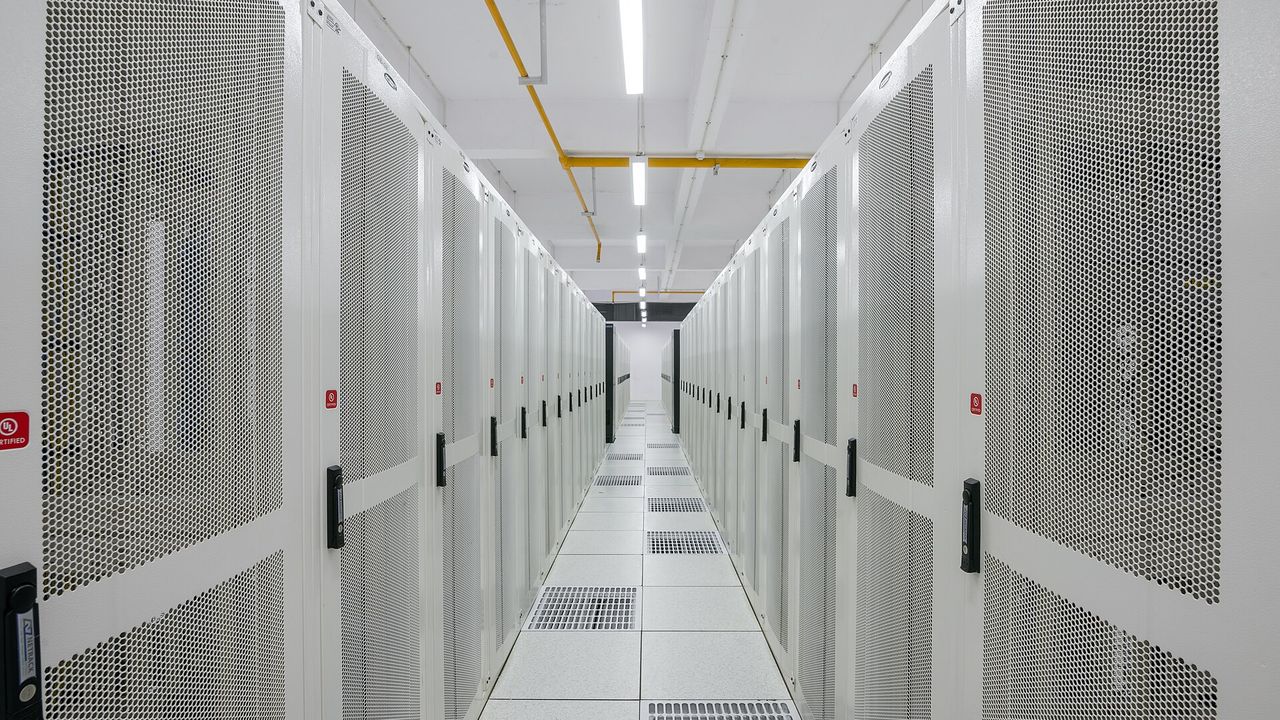
全美超大規模資料中心的擴建熱潮,正迎頭撞上一道由物理電網與地緣政治構築的剛性天花板。隨著各地居民對龐大耗電與水資源消耗的抵制聲浪擴大,加上美國期中選舉前夕對大型科技基建的監管審查升溫,全美資料中心的擱置容量占總規劃比重已刷新歷史紀錄。這場算力狂歡背後,科技巨頭龐大的資本支出承諾,與地方輸配電系統實際通電的進度之間,裂痕正急遽擴大。當市場仍一面倒押注硬體出貨持續創高之際,實體基礎設施的卡死,已實質威脅到供應鏈下游的拉貨節奏,這場隱匿在亮麗財報之下的供給斷層,隨時可能演變成全球科技產業估值的劇烈震盪。The frenzied nationwide buildout of US hyperscale datacenters is slamming into a rigid wall of grid capacity limits and regulatory resistance. As local pushback against colossal electricity and water consumption mounts, coupled with intensified scrutiny over large-scale technology infrastructure ahead of the US midterm elections, the share of stranded, unpowered capacity relative to total planned datacenter pipelines has hit a historic peak. Beneath this compute gold rush, a perilous chasm is widening between Big Tech's aggressive capex pledges and the real-world pace of municipal transmission interconnects. While markets continue to bid up expectations of unbroken hardware shipment records, bottlenecks in physical infrastructure pose an immediate threat to downstream deployment schedules—a supply-chain disconnect hidden in plain sight behind stellar earnings that could trigger violent valuation swings across the global technology landscape.
電網瓶頸恐引發在途庫存危機Grid Congestion Threatens Downstream In-Transit Inventory Shock
市場目前普遍預期全球 9 大雲端服務業者在 2026 年的資本支出將突破 8,800 億美元,然而電網升級的牛步化正將這項樂觀預期推向險境。即便部分加密貨幣礦商釋出既有通電容量轉型承接算力,提供短線緩衝,卻無法扭轉變電站興建週期落後於伺服器交付的物理限制。一旦公用事業審批停擺導致通電時程遞延,超大規模雲端客戶勢必調控硬體進廠驗收的速度。這意味著原本被視為確定性收入的供應鏈在手訂單,極可能在 2027 年迅速轉化為積壓在途的高額在途庫存,進而重創組裝代工廠充斥昂貴伺服器零組件的資產負債表,迫使產業界承擔存貨跌價的沉重苦果。Consensus models currently project the world's top nine cloud service providers will lift combined capital expenditures past $880 billion by 2026; however, the glacial pace of grid modernization is pushing these sunny forecasts toward a cliff. While opportunistic pivots by crypto miners to lease out energised capacity offer temporary compute relief, they cannot overcome the physical constraints of substation construction lead times, which lag far behind server delivery schedules. Once utility interconnection approvals stall and energisation dates slip, hyperscale clients will inevitably throttle the intake and site commissioning of compute racks. This means hardware backlog previously booked as locked-in revenue risks morphing into high-cost in-transit inventory stranded along logistics pipelines by 2027, encumbering ODM balance sheets with top-tier server components and forcing brutal inventory write-downs across the hardware complex.
槓桿歷史高位撞上 9 月弱勢魔咒Peak Margin Leverage Meets the September Seasonality Curse
拉回台北資本市場,時序進入全年中唯一具備系統性負報酬特徵的 9 月,實體產業的隱憂迅速轉化為籌碼層面的肅殺氣氛。集中市場融資餘額已攀升至 5,871.7 億元的高檔水位,當沖交易占成交值比重亦持續徘徊在 40%以上的非理性狂熱區間;然而加權指數卻顯露疲態,連續多日上攻無功而返並跌破 5 日均線支撐。與散戶槓桿熱度背道而馳的是,外資期貨淨空單高懸在 8.39 萬口的高空警戒區。這種散戶融資高槓桿與法人避險重兵對峙的極端分化結構,一旦遭遇國際風吹草動,極易在缺乏承接盤的環境中誘發自我實現的流動性踩踏與連鎖多殺多。Shifting to Taipei's capital markets, the calendar has turned to September—historically the only month that exhibits systemic negative return seasonality—instantly translating physical supply-chain anxieties into technical fragility across trading books. Margin debt balances across the TWSE have surged to a stratospheric NT$587.17 billion, while day-trading turnover routinely hovers above the fevered 40% mark; yet the Taiex benchmark has stalled, repeatedly failing at breakout attempts and slipping beneath its five-day moving average. Standing in stark contrast to this speculative retail leverage, foreign institutional investors have entrenched their hedges with net-short index futures positions anchored near an alarming 83,900 contracts. This precarious standoff between overleveraged retail margin longs and heavily hedged foreign desks creates an asymmetric powder keg, where any external macro shock could easily spark a cascade of forced margin liquidations in an illiquid market.
原物料漲價擠壓下游硬體毛利Raw Material Inflation Squeezes Downstream Hardware Margins
在通電受阻與資金退潮的夾擊下,下游供應鏈還面臨著更隱密的利潤侵蝕風暴。國際銅價在關稅提前拉貨效應推動下逼近歷史高位,NAND Flash與DDR4 記憶體合約價近期漲幅亦雙雙超過 2 成,使硬體代工與零組件廠商陷入毛利率保衛戰。上游磊晶材料成本大幅走揚而無法即時轉嫁至終端客戶,導致業者獲利預期遭到實質下修,印證了成本傳導機制的嚴重滯後。與此同時,美國通膨數據公布在即,若生產者物價與消費者物價高於預期並重燃貨幣政策轉鷹疑慮,缺乏成本定價權的硬體製造商將率先迎來獲利預期與本益比的雙重下修打擊。Caught between power grid bottlenecks and institutional capital outflows, the downstream hardware supply chain is contending with a more covert margin squeeze. Global copper prices hover near record highs, propelled by precautionary tariff-frontrunning, while contract pricing for NAND Flash and DDR4 memory has surged by more than 20% in recent cycles, trapping hardware ODMs and component vendors in a defensive fight for gross margins. Upstream epitaxial and substrate costs have climbed sharply without the ability to immediately pass these increases onto end enterprise customers, triggering downward revisions in earnings estimates and exposing the long lag inherent in hardware cost-pass-through mechanisms. With key US inflation prints on the immediate horizon, any upside surprise in PPI or CPI that reignites hawkish monetary jitters will expose margin-pinched hardware makers to a punishing round of twin earnings and multiple downgrades.
當算力擴建遭遇電網極限,高槓桿市場又逢傳統季節性亂流,科技股的多頭邏輯正面臨結構性考驗。本刊研判,短期市場將從單純的產能狂歡轉向對通電落地進度與實質毛利的嚴格檢視。投資人接下來應緊盯美國關鍵通膨數據的降溫步伐,以及主要雲端業者對後續硬體提貨節奏的表態,提防基本面交付遞延觸發的高檔估值修正。As datacenter expansion confronts the physical limits of power infrastructure and high-leverage market structures collide with historical seasonal headwinds, the prevailing bull thesis for technology equities faces a severe structural test. In our view, market scrutiny over the near term will pivot from unconstrained capacity enthusiasm to strict assessments of grid energisation milestones and real operating margins. Investors must closely monitor the cooling trajectory of upcoming US inflation releases alongside commentary from tier-one cloud providers regarding hardware absorption cadences, safeguarding against rich valuation compressions triggered by physical delivery deferrals.
詳列全美資料中心各區通電排隊時程表、台股 9 月季節性風險矩陣,以及通膨數據關鍵檢查點。Features regional utility interconnection queues across U.S. data-center hubs, our September Taiex seasonal risk matrix, and critical inflation tracking indicators.