 AHI Journal
原油破百美元與出口 800 億交火:台股在武裝態中面臨雙向拉扯Crude Breaks $100 as Exports Hit $80 Billion: Taiwan Equities Caught in Crossfire
外銷連 34 紅難敵期貨 8 萬口空單壓頂,能源通膨黏性正迅速侵蝕高本益比科技股的定價緩衝空間。A 34-month streak of export gains is colliding with an 80,000-contract short overhang in futures, as sticky energy inflation erodes the valuation cushion for high-multiple tech.
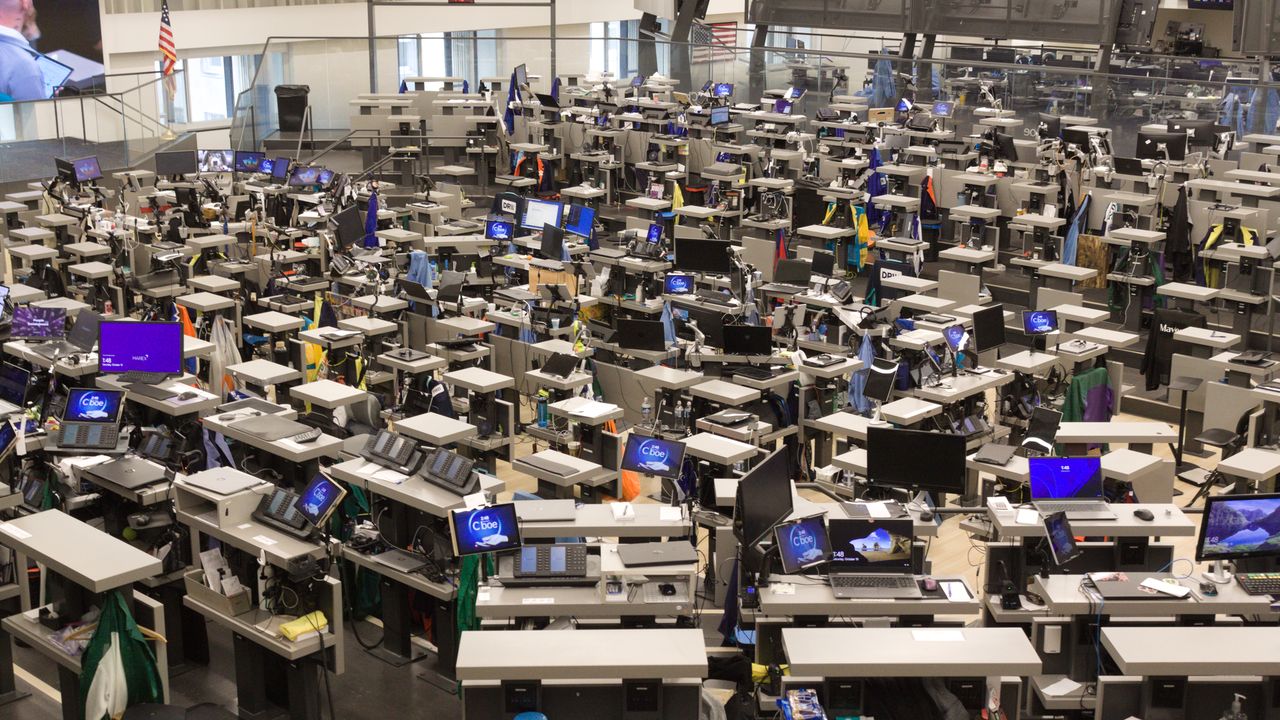
台灣 8 月出口以 824.0 億美元改寫歷史新高,年增率高達 41.0%,展現AI硬體供應鏈的強大拉貨動能。然而,資本市場並未沉浸在破紀錄的外銷狂歡中。就在數據公布當日,布蘭特原油期貨強勢突破每桶 101.21 美元關卡,帶動美國 10 年期公債殖利率飆升至 4.84%,直接引爆全球股債市場的雙重定價壓力。台股終場重挫 242.87 點,收在 46,940.49 點,大盤成交量縮至 7,139.72 億元。這種背離並非多頭格局的即刻終結,而是強韌的實體外銷與嚴苛的總體通膨環境之間,展開的一場高強度壓力測試。Taiwan's exports hit an all-time high of $82.40 billion in August, surging 41.0% year-over-year and underscoring relentless procurement momentum across the AI hardware supply chain. Yet capital markets refused to join the celebration. On the very day the trade data landed, Brent crude futures decisively breached $101.21 a barrel, catapulting the 10-year U.S. Treasury yield to 4.84% and triggering simultaneous valuation shocks across global equity and bond markets. The Taiex tumbled 242.87 points to close at 46,940.49, as trading volume thinned to NT$713.972 billion. This divergence does not signal an immediate end to the secular bull market, but rather a high-stakes stress test pitting robust physical export strength against an unforgiving macroeconomic inflationary backdrop.
破紀錄外銷難擋法人巨量期貨空單Record Trade Print Fails to Deter Mammoth Institutional Short Positions
宏觀數據呈現罕見的撕裂狀態。台灣前 8 個月累計外銷規模達 5,743.4 億美元,其中伺服器出口以 1,926.2 億美元史上首度超越半導體的 1,332.0 億美元,兩者合計占總出口 66.6%,對美貿易順差更擴大至 1,407.4 億美元。然而,由AI算力驅動的實體需求狂潮,並未在資本市場轉化為多頭柴火。三大法人單日自台股現貨提款 503.12 億元,外資不僅現貨賣超 383.34 億元,台指期淨空單更一舉堆疊至 83,918 口的歷史極端警戒水位,顯示機構投資人正利用破紀錄的實體利多,大舉建構系統性避險部位。Macroeconomic data delivered a striking paradox. Taiwan's cumulative exports reached $574.34 billion in the first eight months, with server shipments of $192.62 billion surpassing semiconductor exports ($133.20 billion) for the first time in history. Together, the two categories accounted for 66.6% of total outbound shipments, widening Taiwan's trade surplus with the U.S. to $140.74 billion. Yet the frantic physical demand for AI compute failed to fuel the equity rally. The three major institutional investor classes pulled a net NT$50.312 billion out of the cash market in a single session. Foreign institutions not only sold a net NT$38.334 billion in cash equities, but also piled their net short positions in Taiwan Index Futures to a historic extreme of 83,918 contracts—a clear sign that institutional capital is using record export headlines to establish systemic macro hedges.
能源通膨死灰復燃推升實質資金成本Resurgent Energy Inflation Stokes the Cost of Real Capital
壓制現貨買盤的核心機制,在於大宗商品與長端無風險利率的聯袂反撲。中東地緣局勢惡化導致荷姆茲海峽商船通行量暴跌逾 90%,歐洲柴油裂解價差每桶逼近 100 美元,美國 3-2-1 裂解價差亦升至 68.9 美元。原油破百疊加成品油供應瓶頸,迅速粉碎了市場對寬鬆貨幣政策的樂觀預期。雪上加霜的是,美國財政部長債回購規模遠不及市場胃納,推動基準 10 年期美債殖利率直逼 4.85%。資金成本居高不下,直接剝奪了本益比普遍超過 30 倍的科技硬體族群原先享有的估值溢價空間。The primary headwind capping cash equity bids is the coordinated rebound in commodities and long-duration risk-free rates. Worsening geopolitical turmoil in the Middle East has caused commercial vessel transits through the Strait of Hormuz to plunge by more than 90%, driving European diesel crack spreads near $100 a barrel and pushing the U.S. 3-2-1 crack spread to $68.9. Triple-digit crude combined with refined-product supply chokeholds has shattered hopes for a looser monetary regime. Compounding the pressure, the U.S. Treasury's long-term debt buybacks fell far short of market appetite, sending the benchmark 10-year yield within striking distance of 4.85%. Elevated capital costs have abruptly eroded the premium multiples long enjoyed by tech hardware names that routinely trade above 30 times earnings.
盤面風格切換暴露散戶與機構對立Sector Rotation Exposes Deepening Split Between Retail and Institutional Capital
評價重估引發了資金在盤面的防禦性大遷徙。即便台達電 8 月繳出 645.86 億元亮眼營收,股價仍隨重電與電源族群重挫 6.5%;反而具備轉嫁能力與庫存利益的塑膠類股逆勢上漲 1.6%,被動元件亦在報價回溫預期下跌深反彈 2.1%。儘管市場對緯創單月營收年增 166%、廣達長線訂單能見度抱持共識,籌碼結構卻浮現裂痕。選擇權賣買權未平倉比率降至 82.67%,散戶做多情緒反而逆勢增溫,這種散戶與機構法人背道而馳的籌碼分布,使缺乏現金流保護的熱門題材股面臨更劇烈的震盪洗盤。The valuation reset has triggered a defensive migration of market liquidity. Even as Delta Electronics delivered stellar August revenue of NT$64.586 billion, its shares slumped 6.5% alongside broader heavy-electrical and power management names. Conversely, chemical and plastics counters—equipped with pricing power and inventory revaluation gains—rose 1.6% against the tape, while passive component makers rebounded 2.1% from oversold levels on expectations of firmer quotes. Although the market broadly appreciates Wistron's 166% monthly revenue jump and Quanta's long-term order visibility, the technical tape is showing cracks. The options put-call open interest ratio dropped to 82.67% as retail bullish sentiment mounted—a divergent stance that leaves popular momentum plays lacking near-term cash-flow protection vulnerable to sharper shakeouts.
本刊判斷,台股已脫離單純的擴產擴張期,正式進入必須承受總體逆風檢驗的武裝防禦階段。多頭架構的核心風險不在於AI硬體需求減速,而在於原油高檔鈍化所引發的黏性通膨,是否會透過長端利率持續壓縮科技股的評價天花板。後續關鍵在於全球能源物流能否恢復常態,以及通膨與貨幣政策路徑能否為實質利率釋放降溫訊號。In this publication's view, the Taiwan equity market has transitioned from an unbridled capacity-expansion phase into a fortified defensive posture that must weather macroeconomic crosswinds. The central risk to the bull case is not slowing demand for AI hardware, but whether sticky inflation fed by entrenched energy prices will keep long-term yields elevated, continuously capping tech valuations. The key variables to track are the normalization of global energy transit routes and whether inflation and central bank trajectories offer any relief to real interest rates.
訂閱版提供台美利差與外資期權淨部位歷史分位數對照表、關鍵技術支撐序列與防禦轉向檢查點。The subscriber edition provides historical percentile rankings for the Taiwan-U.S. yield spread and foreign net derivatives exposure, alongside key technical support levels and defense-rotation checkpoints.