 AHI Journal
美日央行政策分歧下的全球資金大轉向Fed-BOJ Policy Divergence Triggers Global Capital Rotation
日圓升值與日銀升息預期重擊出口類股,日本金融股與台股傳產避險部位逆勢吸金A stronger yen and BOJ rate-hike expectations hit Japanese exporters, while Tokyo financials and defensive Taiwanese old-economy names draw inflows.
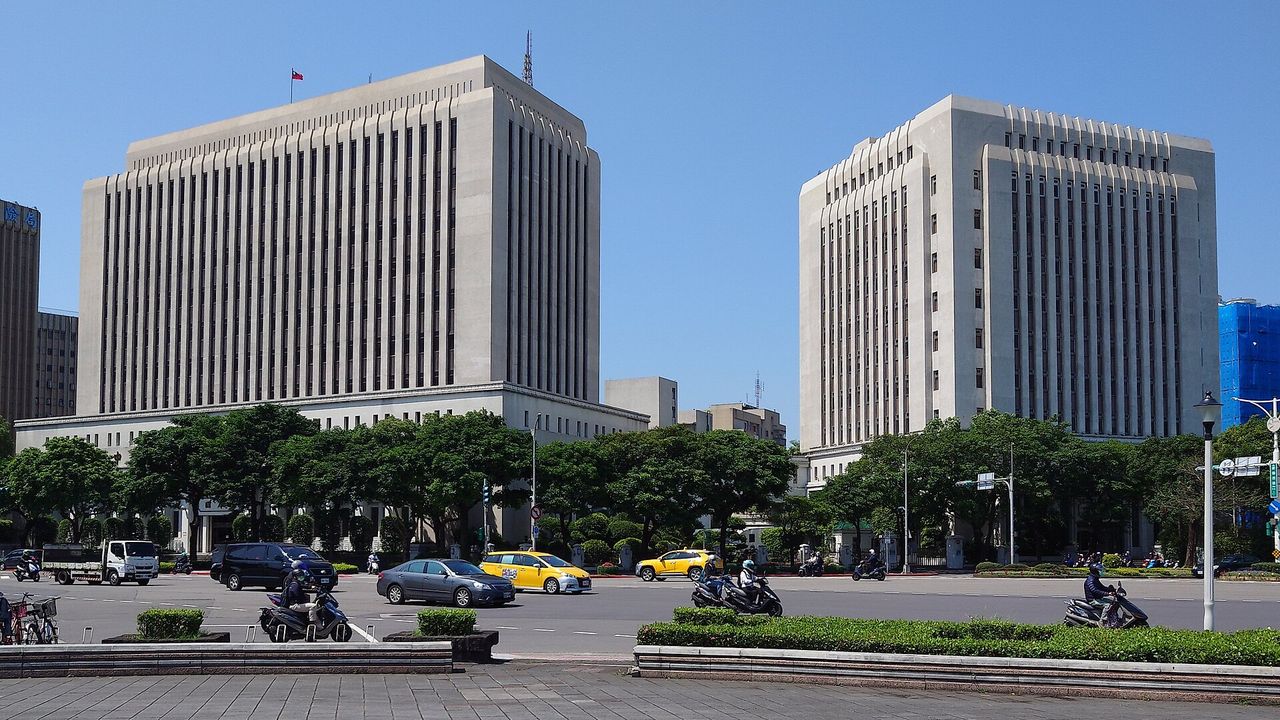
東京外匯市場與股市在 9 月 15 日出現罕見的走勢分化,日經 225 指數受軟銀重挫 10.72%拖累下跌 0.81%,代表內需與金融的東證指數卻逆勢上漲 0.74%。這個結構性轉折突顯出美日 2 大央行截然不同的政策路徑,正推動跨國資本重新定價風險。隨著美國長期公債殖利率居高不下與日本央行邁向升息,全球資金不再無差別追逐高估值科技股,而是加速撤離缺乏獲利支撐的成長板塊,轉向能夠受惠利差擴大與具備穩健現金流的避險資產,形成跨市場的流動性重組。Tokyo currency and equity markets saw a rare divergence on September 15. The Nikkei 225 fell 0.81%, dragged down by a 10.72% plunge in SoftBank Group, while the domestic-demand- and financials-heavy TOPIX climbed 0.74%. This structural shift reflects diverging policy paths between the Federal Reserve and the Bank of Japan, which are driving cross-border capital to reprice risk. With U.S. long-term Treasury yields remaining elevated and the BOJ edging toward rate hikes, global capital is abandoning indiscriminate chasing of rich tech valuations, rapidly rotating out of unprofitable growth sectors and into safe-haven assets benefiting from wider interest margins and dependable cash flows.
日銀升息推動利差交易平倉BOJ Rate Hikes Trigger Carry Trade Unwinding
日本央行政策正常化的推進成為這場重組的核心引信。日本 8 月生產者物價指數年增率達 7.6%,通膨壓力持續限制貨幣寬鬆的空間,利率期貨市場隨之反映日銀在年底前進一步緊縮的可能。日圓兌美元匯率在 153 水準獲得支撐,直接引發跨國利差交易平倉的連鎖反應。過去依賴低成本日圓融資布局全球風險資產的槓桿資金被迫回流,對持股高度集中於海外科技部位的軟銀等跨國巨頭形成沉重賣壓,也打破了日股長期由出口權值股獨強的單邊格局。The Bank of Japan's push toward policy normalization served as the primary fuse for this reshuffle. Japan's August PPI rose 7.6% year over year, keeping sustained inflationary pressure on the central bank to rein in monetary easing, while interest rate futures began pricing in an additional BOJ hike before year-end. The yen found firm support around 153 against the dollar, triggering a cascade of global carry trade unwinds. Leveraged capital that once relied on cheap yen funding to finance cross-border risk assets was forced to retreat, dealing a heavy blow to multinational titans like SoftBank with outsized exposure to overseas tech holdings and dismantling the one-sided rally long led by Japan's export heavyweights.
台灣金融板塊躍升避風堡壘Taiwanese Financials Emerge as Safe Havens
這股源自匯率與利率變化的波動迅速波及台股,但資金流向並非全面撤退,而是呈現鮮明的板塊輪動。在電子權值股測試均線之際,台灣金融指數逆勢上揚 1.94%,富邦金、國泰金與大型官股金控同步吸引買盤進駐。支撐金融股評價重估的關鍵在於基本面實力,台灣金融三業前 8 月累計稅前盈餘逼近 1.03 兆元,其中國泰金前 8 月每股盈餘達到 6.47 元。充沛的未實現資本利得與即將到來的股利配發預期,讓大型金控在面臨央行政策週期的動盪時,成為機構投資人停泊資金的最佳選擇。The volatility unleashed by FX and interest rate shifts quickly spilled into Taiwan equities, producing sharp sectoral rotation rather than an outright withdrawal of funds. As electronic bellwethers tested moving averages, the Taiwan Financial Index gained 1.94%, with Fubon Financial, Cathay Financial, and major state-run financial holdings drawing steady inflows. Underpinning the re-rating is earnings quality: pre-tax profit across Taiwan's three major financial sectors approached NT$1.03 trillion for the first eight months, with Cathay Financial posting an eight-month EPS of NT$6.47. Abundant unrealized capital gains and impending dividend expectations have positioned large financial holdings as institutional parking spots against central bank policy headwinds.
殖利率高檔逼出防禦型買盤Elevated Yields Prompt Flight to Defensive Plays
美股市場的走勢同步印證了防禦性思維的全面抬頭。10 年期美債殖利率逼近 5%的水準,實質無風險利率的攀升使得投機型科技股估值面臨嚴格檢視。然而,資金並未全數離開科技板塊,而是轉進具備剛性支出防護力的資安防禦領域,微軟與CrowdStrike等指標企業展現強韌抗跌力道。相同的邏輯亦複製在台北股市,安碁資訊與零壹等資安與軟體服務族群在大盤承壓時逆勢突圍。這表明當前市場定價邏輯已轉向現金流能見度與不可或缺的剛性需求。Wall Street price action echoed this defensive rotation. With the 10-year Treasury yield hovering near 5%, rising real risk-free rates have subjected speculative tech multiples to intense scrutiny. Yet institutional money did not abandon tech wholesale; instead, it sought shelter in cybersecurity and mission-critical software names such as Microsoft and CrowdStrike, which demonstrated remarkable resilience. The same playbook played out in Taipei, where cybersecurity and enterprise software providers like Acer Cyber Security (ACSI) and Zero One Technology bucked the broader tape's weakness. Market pricing has clearly shifted its focus toward cash flow visibility and indispensable demand.
本刊判斷,全球資本市場正處於成長股與防禦型價值股的分水嶺。後續觀察重點在於日本央行決策官員對利率路徑的定調、日圓匯價的波動節奏,以及外資在亞洲金融龍頭股的買賣超動向。一旦跨國套利平倉潮擴散,具備實質獲利防禦與剛性需求的資產將持續主導盤面。AHI Journal sees global capital markets crossing a watershed between growth and defensive value assets. Key forward indicators include forward rate guidance from Bank of Japan policymakers, the rhythm of yen fluctuations, and foreign institutional flows into large-cap Asian financials. Should cross-border carry trade liquidations gather pace, assets anchored by durable earnings defenses and non-discretionary demand will continue to dictate trading.
訂閱版完整拆解日銀後續升息路徑門檻、日圓匯率避險觸發點,以及外資對金融權值股買賣超反轉的否證序列。The subscriber edition analyzes policy rate-hike thresholds for the Bank of Japan, yen hedging triggers, and falsification sequences that would signal a reversal in foreign institutional flows into mega-cap financials.