 AHI Journal
台積電與奇鋐獲利預估分歧 賣方共識在 2027 年出現巨大落差Earnings Estimates Diverge for TSMC and CCI as Sell-Side Consensus Fractures for 2027
台積電 2027 年獲利預估相差近 2 成,環球晶更達 1.4 倍;市場對資本支出轉化節奏出現認知斷層。Brokerage estimates for TSMC's 2027 earnings show a gap of nearly 20%, while GlobalWafers shows a 1.4-fold spread, revealing sharp analytical divides over the pace of capex monetization.
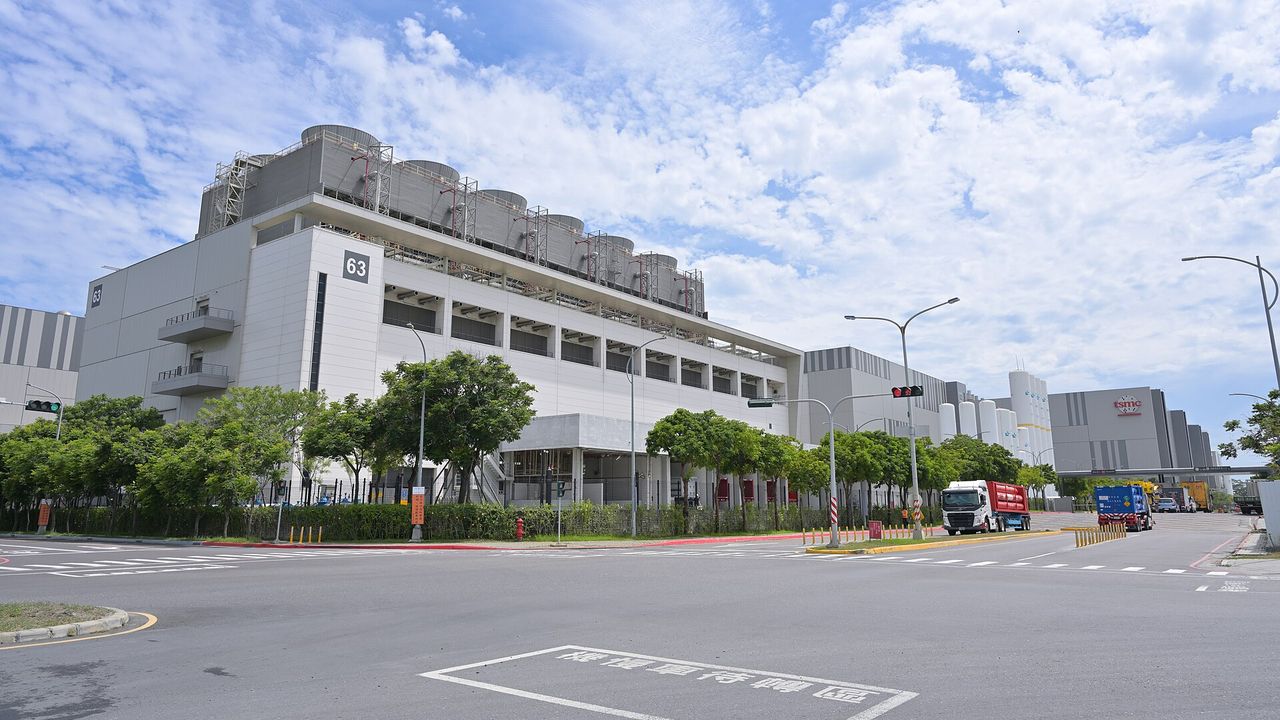
賣方研究機構在表面上維持對先進半導體與人工智慧供應鏈的一致看多,但最新統計顯示,拉長至 2027 年的獲利預估已出現罕見的共識裂縫。台積電 2027 年預估每股純益區間落在 135.22 元至 155.09 元,高低差距達 14.7%;矽晶圓龍頭環球晶的高低預估差距更暴增至 145.6%。這種離散度的非正常擴大,說明市場對超大型雲端服務商資本支出能否順利變現、新製程產能放量節奏與定價能力,存在截然不同的底層假設。在評價已被推升的當下,這場認知斷層正演變為中長期資金布局的最大隱憂。Sell-side research desks maintain an outwardly unified bullish stance on the advanced semiconductor and AI supply chains, yet fresh data reveals a rare fracture in consensus profit forecasts looking out to 2027. Forward 2027 EPS estimates for TSMC span NT$135.22 to NT$155.09—a 14.7% spread between the high and low marks—while the gap for silicon wafer leader GlobalWafers has blown out to an astonishing 145.6%. This abnormal widening of dispersion indicates that the market holds sharply divergent baseline assumptions regarding whether hyperscale cloud capex can be successfully monetized, as well as the pace of next-gen capacity ramps and pricing power. With valuations already stretched, this cognitive rift is turning into the single biggest structural overhang for mid- to long-term institutional capital.
先進製程定價與擴產節奏認知斷層Cognitive Rifts in Advanced Node Pricing and Capacity Ramps
台積電做為晶圓代工核心,其預估分歧直接反映了分析圈對 2 奈米技術節點商業化節奏的認知衝突。部分機構認為客戶對高階算力的剛性需求,將允許台積電維持強勁的定價溢價能力,驅動 2027 年獲利站上高標;然而較為謹慎的觀點則質疑,終端雲端客戶在巨額資本開支後面臨投資回報率壓力,擴產進度與折舊攤提可能侵蝕利潤率。這種分歧進一步向上游晶圓材料傳導,環球晶 2027 年每股純益預估出現 32.53 元至 79.89 元的極端差距,意味著產業鏈最上游的投片回升節奏,在分析模型中早已脫離單一線性的復甦路徑。As the core foundry linchpin, TSMC's divergent forecasts directly reflect analytical clashes over the commercialization trajectory of the 2nm process node. One camp argues that insatiable customer demand for premium computing power will preserve TSMC's robust pricing premium, propelling 2027 earnings to the top end of projections. More cautious observers, however, question whether cloud end-customers—facing mounting ROI pressures following massive capital expenditures—will see capacity utilization and depreciation charges erode operating margins. This skepticism travels upstream into raw wafer materials, where GlobalWafers' 2027 EPS estimates range from an extreme low of NT$32.53 to a high of NT$79.89, underscoring that analytical models have completely abandoned a linear recovery path for upstream wafer starts.
關鍵散熱架構滲透率面臨模型分流Thermal Architecture Penetration Faces Divergent Modeling
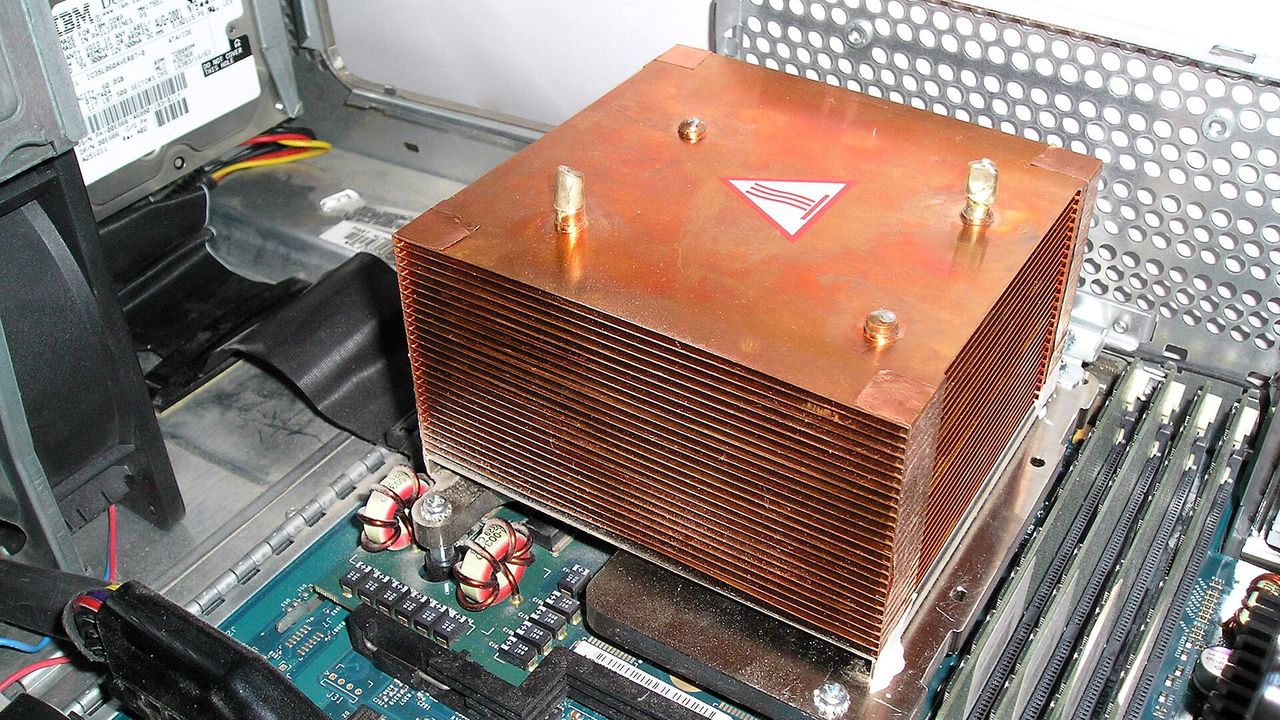
硬體關鍵零組件的預估落差同樣印證了長期預期的失錨。散熱指標廠奇鋐在 2026 年的預估每股純益落在 101 元至 106.21 元,機構間差距僅 5.2%,顯示短期營運能見度極高;但進入 2027 年後,預估區間驟然拉大到 152.29 元至 180.02 元,離散度擴張超過 3 倍。落差的核心在於對下一代水冷架構普及速度的評估分歧,特別是針對特定應用晶片的客製化雙面散熱與伺服器整機櫃方案,不同分析模型給出的滲透率假設極為分歧。一旦關鍵客戶轉向自研架構或修改散熱規格,現有供應商的獲利預估便將面臨重新洗牌的風險。Forecast disparities across critical hardware components further demonstrate how long-term expectations have become unanchored. For benchmark thermal supplier AVC, consensus 2026 EPS estimates sit tightly between NT$101 and NT$106.21—a mere 5.2% variance that reflects exceptional near-term visibility. By 2027, however, the estimate band widens sharply to NT$152.29 to NT$180.02, expanding the dispersion more than threefold. At the heart of this divergence lies disagreement over the adoption velocity of next-generation liquid-cooling architectures, particularly customized dual-sided thermal modules for ASICs and full-rack server deployments. Should key clients pivot to proprietary architectures or overhaul thermal specifications, existing suppliers' earnings projections face severe reshuffling risks.
成熟製程與消費電子呈現保守收斂Mature Nodes and Consumer Electronics Converge on Conservatism
與人工智慧硬體端的劇烈發散相比,成熟製程與消費性電子領域的預估曲線卻呈現出高度一致的保守收斂。晶圓代工廠聯電在 2026 年的預估每股純益收斂於 6 元至 7.86 元區間,機構間的預期差距極為有限;射頻功率放大器代工廠宏捷科更因關鍵零組件價格飆漲壓抑終端手機出貨,遭到分析機構調降評等。市場對非人工智慧領域的成長疲弱、成本轉嫁困難已建立明確共識。這種成熟製程的收斂低迷與先進製程的高位分歧形成鮮明對照,突顯出整體半導體產業動能過度集中於單一領域,讓預期裂縫的潛在衝擊更加擴大。In stark contrast to the wild divergence in AI hardware, forecast curves for mature nodes and consumer electronics exhibit highly aligned, conservative convergence. For foundry peer UMC, 2026 EPS forecasts are tightly clustered between NT$6 and NT$7.86 with minimal institutional disagreement. RF power amplifier foundry AWSC has faced rating downgrades as surging upstream component prices dampen downstream smartphone shipments. Consensus is firmly established around sluggish non-AI growth and poor cost pass-through. This subdued, tight consensus in mature nodes contrasts sharply with the elevated volatility in advanced-process projections, spotlighting how semiconductor industry momentum is dangerously concentrated in a single vertical and amplifying the vulnerability of the broader market to expectation shocks.
本刊判斷,當前的獲利離散現象預告著市場正進入估值修正的敏感期,任何技術放緩或資本支出放緩的信號,都可能引發高標預估組的集體下修。接下來的關鍵焦點,在於晶圓龍頭即將釋出的中長期先進封裝與新製程資本支出指引方向。指引的擴張或收縮,將直接決定市場共識究竟是向上錨定還是向下落軌。AHI Journal assesses that this earnings dispersion signals the market is entering a sensitive phase of valuation reassessment, where any hint of a technological slowdown or capex deceleration could trigger sweeping downgrades from the optimistic camp. The immediate focal point rests on upcoming medium- and long-term capital expenditure guidance for advanced packaging and next-generation nodes from leading foundries. Whether that capex envelope expands or contracts will dictate whether consensus earnings anchor higher or derail downward.
訂閱版詳列各機構對指標股的EPS估值分布表、差異成因拆解與關鍵否證條件。The subscriber edition provides an institutional EPS forecast matrix for bellwether names, a breakdown of driver variances, and key falsification criteria.