 AHI Journal
超級央行週疊加荷姆茲危機 9 月系統性風險窗口全面開啟Super Central Bank Week Collides With Hormuz Crisis to Open Broad September Risk Window
荷姆茲海峽封鎖推升能源通膨,美日台央行決議集中出爐,台股歷史最弱月份面臨多重共振。Blockades in the Strait of Hormuz are stoking energy inflation just as the Fed, BOJ, and Taiwan central bank prepare policy decisions, exposing Taiwan equities to multiple headwinds during their historically weakest month.
沙烏地阿拉伯東西輸油管於 9 月 14 日遭到突發襲擊,導致每日數百萬桶原油運能被迫關閉,直接推動西德州原油期貨價格一舉站上每桶 101.39 美元關卡。與此同時,荷姆茲海峽通航受阻並頻傳油輪觸雷事件,進一步刺激布蘭特原油突破 105 美元大關。當前實體能源供應中斷的衝擊,恰好與全球主要央行即將公布最新利率決策的關鍵時點高度重合。原本市場對通膨持續降溫抱持高度樂觀預期,但中東地緣政治的急遽惡化,瞬間點燃 2 次通膨升溫的連鎖效應。台股在歷經數月高檔震盪後,正步入歷史統計上走勢最為疲弱的 9 月份,能源危機與貨幣緊縮的多重共振,使得金融市場的系統性風險窗口全面開啟。A sudden strike on Saudi Arabia's East-West crude pipeline on September 14 shut down millions of barrels per day in transit capacity, instantly catapulting West Texas Intermediate crude futures past $101.39 a barrel. Simultaneously, transit bottlenecks in the Strait of Hormuz alongside reports of sea mines targeting tankers propelled Brent crude through the $105 threshold. This physical supply shock hits precisely as major global central banks prepare to deliver their latest interest-rate verdicts. A market that had grown complacent on disinflation is suddenly confronted with a geopolitical flare-up that threatens a secondary wave of inflation. Following months of high-level consolidation, Taiwan equities are entering their historically weakest calendar month of September, where the confluence of energy shocks and monetary tightness blows the window of systemic risk wide open.
能源供應中斷引發 2 次通膨憂慮Energy Supply Disruptions Reignite Secondary Inflation Fears
中東實體供應中斷的威脅正在快速轉化為製造業與終端消費的實質成本負擔。沙烏地關鍵輸油設施停擺與荷姆茲海峽的航運封鎖,不僅推升布蘭特原油突破每桶 105 美元,更使得全球能源物流面臨自去年以來最嚴重的斷鏈危機。過去數月市場普遍押注物價回落的邏輯,在此刻面臨嚴峻挑戰。高漲的原油價格並非單純停留在期貨盤面,而是會迅速藉由航運運價調漲、塑化中間體與基礎化學品報價上揚,層層傳導至下游客戶端。各國企業原本預期下半年毛利率能隨終端庫存回補而回升,如今卻面臨輸入性通膨再度抬頭的成本夾擊,使得下半年的實質獲利防禦能力顯得異常脆弱。The threat of physical crude supply disruptions in the Middle East is rapidly morphing into tangible cost inflation across manufacturing and end-consumer verticals. The outage of critical Saudi transit facilities and logistical paralysis along the Strait of Hormuz not only pushed Brent past $105 per barrel, but also triggered the worst shipping bottlenecks since last year. The soft-landing thesis that buoyed equity valuations over recent months is under immediate review. Spiking energy costs will not stay confined to futures pits; they will cascade downstream through ocean freight surcharges, petrochemical intermediates, and base chemical pricing. Corporate gross margins, originally projected to rebound alongside second-half inventory restocking, now face margin compression from imported inflation, leaving underlying earnings power deeply compromised.
全球央行政策空間面臨地緣壓縮Global Central Banks Squeezed by Geopolitical Supply Shock
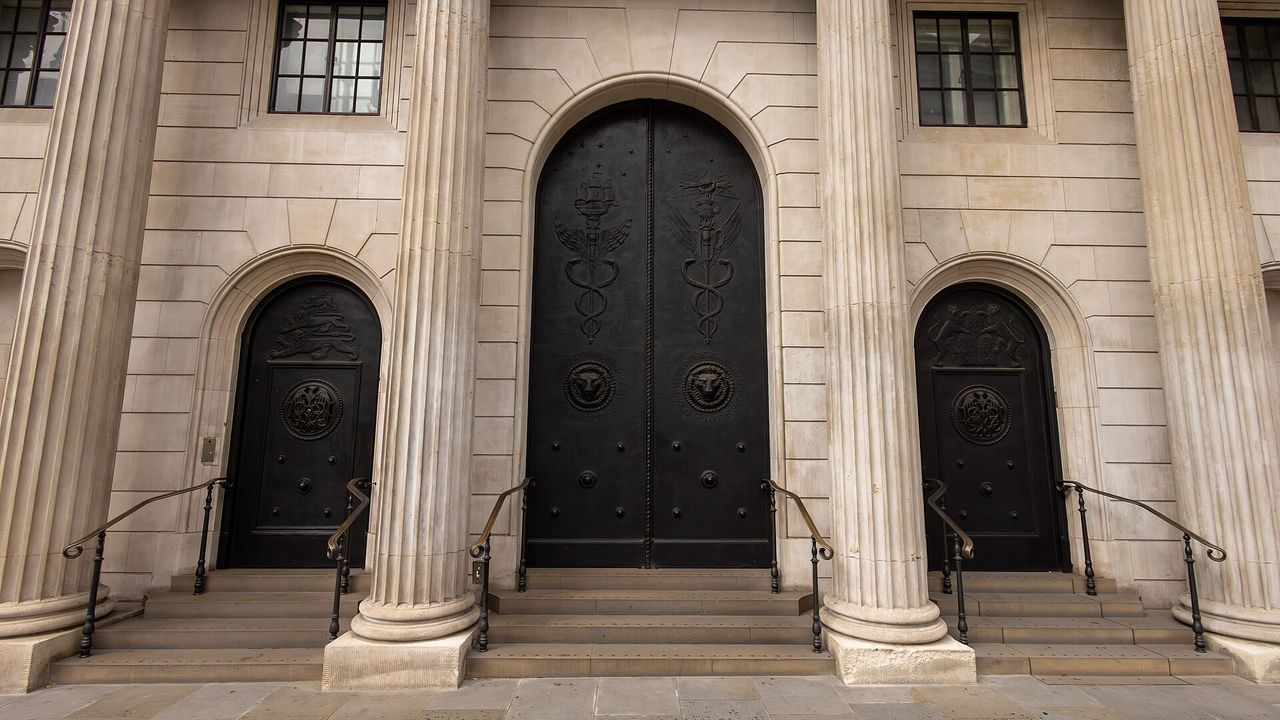
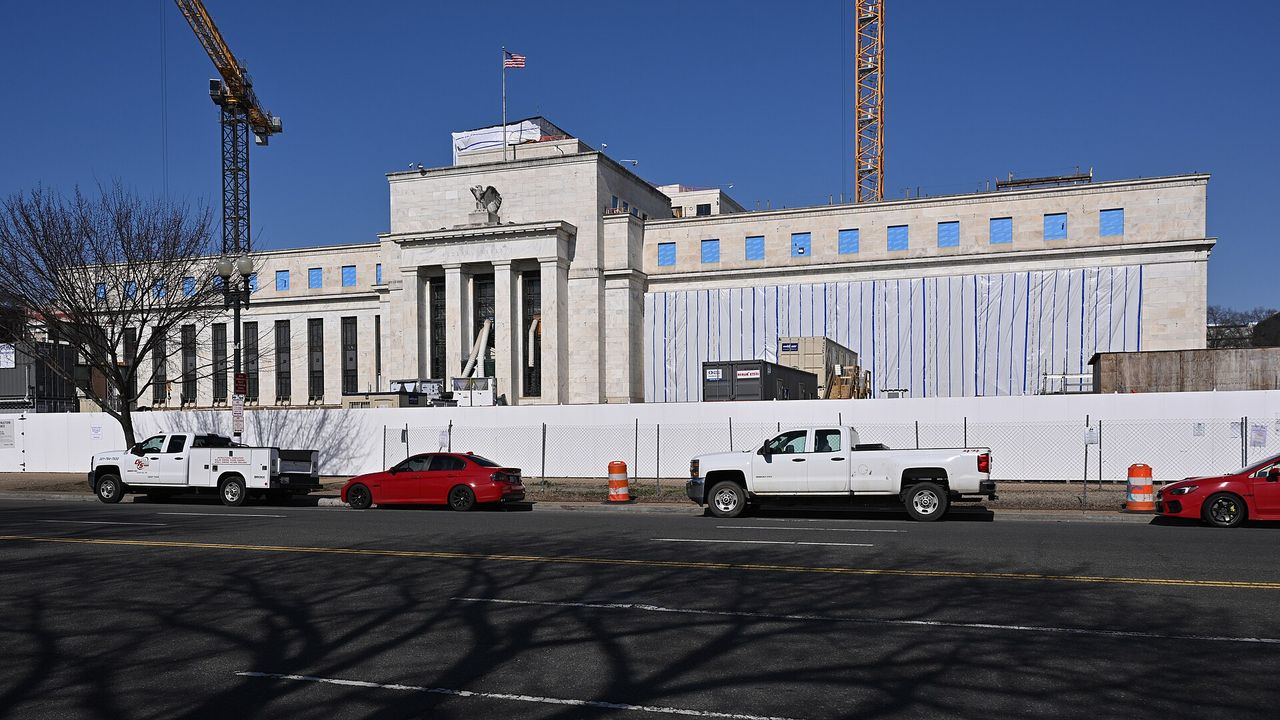
緊接在能源危機爆發之後,全球貨幣決策者幾乎在毫無緩衝的情況下面對通膨再起的新難題。自 9 月 16 日起的 48 小時內,美國聯準會、台灣央行、英國央行與日本央行將密集發布最新的利率決議。這場超級央行週的原定劇本是確認升息循環終點,但暴衝的能源價格卻直接掐斷了鴿派論述的發酵空間。市場對緊縮週期拉長乃至再次升息的擔憂,迅速推動衡量恐慌情緒的VIX指數攀升至 17.10 點,跨國資金紛紛加速從風險性資產撤出以尋求避險管道。各大央行若被迫維持強硬的高利率基調以壓制通膨預期,實體經濟的借貸成本將長期居高不下,進一步壓抑全球資本市場的估值擴張動能。Coming right on the heels of the energy shock, global monetary authorities face an unexpected resurgence in cost pressures with virtually zero buffer. Within a 48-hour window starting September 16, the Federal Reserve, Taiwan's Central Bank, the Bank of England, and the Bank of Japan will deliver sequential rate verdicts. The pre-scripted playbook for this 'Super Central Bank Week' was to confirm the terminal stage of the tightening cycle, but soaring oil prices have snuffed out room for dovish commentary. Mounting fears of prolonged restrictive policy—or even supplementary rate hikes—pushed the Cboe Volatility Index (VIX) up to 17.10, triggering accelerated fund outflows from risk assets into cash equivalents. If central bankers are compelled to maintain higher-for-longer stances, elevated debt servicing costs will continue to cap valuation multiples globally.
籌碼與流動性雙雙削弱台股防線Technicals and Liquidity Drain Erode Taiwan Market Defenses
在外部總體環境惡化的同時,台股內部正遭遇技術面轉弱與資金流動性抽離的雙重打擊。回顧長期歷史數據,9 月份向來是加權指數統計上唯一系統性呈現負報酬的月份,季節性賣壓本就沉重。當前大盤技術線型已跌破關鍵月線,且短期均線呈現下彎空頭排列,籌碼面的支撐力道相當有限。儘管市場融資餘額已小幅回落至 5,838.78 億元,但整體槓桿水位依舊偏高。更為棘手的是,漢民測試大型IPO申購案在短時間內凍結了市場將近 9,000 億元的龐大流動性,導致集中市場資金池水位急降。在缺乏充裕活水承接拋補的情況下,指數一旦遭遇外部利空襲擊,下檔防禦便顯得極為單薄。As macro headwinds gather, Taiwan's domestic market is suffering from a simultaneous breakdown in technical structure and aggregate trading liquidity. Historically, September stands as the only calendar month to systematically post negative average returns for the Taiex, characterized by heavy seasonal profit-taking. The benchmark index has broken below its critical 20-day moving average, with short-term moving averages rolling over into bearish alignment and weak structural support beneath. While local margin debt eased modestly to NT$583.878 billion, overall retail leverage remains extended. Worse still, a mega-IPO subscription by Hermes Testing Solutions temporarily tied up nearly NT$900 billion in market liquidity, draining the centralized exchange's cash buffer. Stripped of fresh capital to absorb selling, downside market defenses look perilously thin.
全球金融市場正處於地緣政治能源震撼與各國央行決策相互撞擊的暴風圈中心。面對原油供給收縮引發的連鎖反應,以及籌碼面流動性短缺的考驗,市場趨勢已顯著轉向防禦模式。後續核心觀察焦點在於國際油價能否迅速回落以平息通膨焦慮,以及央行決策過後主權公債殖利率的走勢變化。在貨幣路徑明朗化之前,加權指數預料將持續承受下行修正考驗。Global financial markets are operating at the volatile crossroads of a geopolitical energy shock and high-stakes central bank deliberations. Confronted by crude supply constraints and severe local liquidity absorption, institutional positioning has decisively shifted into defensive mode. The immediate focus turns to whether crude benchmarks can quickly retrace to soothe inflation anxieties, and how sovereign bond yields react to upcoming central bank statements. Until the forward path of interest rates is definitively clarified, the Taiex will remain vulnerable to further downward valuation adjustments.
完整報告提供央行決策時程推演、歷史 9 月回檔統計數據與油價美債連動檢查點。The complete report provides scenario timelines for central bank decisions, historical drawdown metrics for September, and key correlation checkpoints between crude oil and Treasury yields.