 AHI Journal
中國 8 月房地產投資衰退近 2 成 高技術製造年增 5 成撐大局China's August Property Investment Drops Nearly 20% While High-Tech Manufacturing Surges 50%
固定資產投資降幅擴至 7.2%,但電子電路投資暴增 58.8%,外強內弱格局固化。Fixed-asset investment contracted 7.2%, but electronic circuit spending jumped 58.8%, cementing a deep divide between external resilience and domestic weakness.

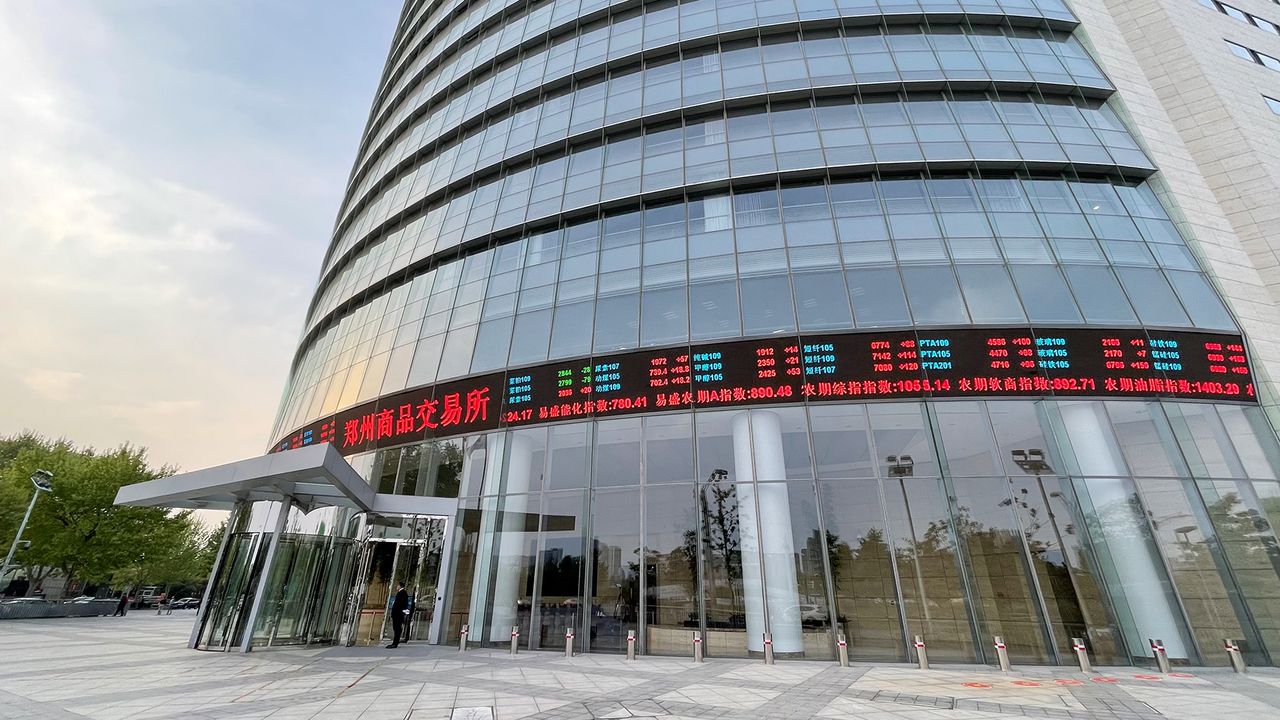
中國國家統計局公布的 8 月份宏觀數據揭示了經濟體制的深刻裂痕。前 8 個月全國房地產開發投資年減幅度擴大至 19.9%,整體固定資產投資收縮 7.2%,社會消費品零售總額年增率更驟降至 0.4%的極低水平。這組數據證實中國經濟並非單純面臨通縮衰退,而是內部結構正在經歷劇烈且不可逆的極端分化。傳統以土地與不動產為槓桿的核心驅動力全面退場,龐大的資產負債表去槓桿壓力重創民間投資意願,導致累計民間投資衰退 10.1%。當舊引擎幾近熄火之際,科技自立與先進製造業被迫扛起整體經濟的全部增長責任。Macroeconomic data for August released by China's National Bureau of Statistics exposed deep structural fault lines across the economy. Through the first eight months, nationwide property development investment deepened its year-over-year contraction to 19.9%, overall fixed-asset investment contracted 7.2%, and retail sales growth slowed sharply to a meager 0.4%. The figures confirm that China is not merely confronting a deflationary slump, but an acute, irreversible divergence within its economic model. The core growth engine historically fueled by land and property leverage has ground to a halt, and severe balance-sheet deleveraging has battered private capital expenditure, driving cumulative private investment down 10.1%. With the old growth driver sputtering, technology self-reliance and advanced manufacturing have been thrust into carrying the entire weight of national expansion.
土地財政退場加劇資產負債表收縮Collapse of Land-Based Finance Accelerates Balance-Sheet Contraction
房地產鏈條的瓦解已直接穿透至實體消費終端,形成惡性循環的螺旋。今年前 8 個月,中國住宅及商業地產銷售面積縮水 12.1%,銷售總金額同步下跌 13.0%,不僅粉碎了市場對金九銀十傳統旺季的預期,更令地方政府與相關供應鏈的現金流遭遇空前擠壓。這種縮表壓力迅速蔓延至大宗消費,建築及裝潢材料類零售額重挫 9.5%,向來作為家庭重要資本支出的汽車類零售亦大幅衰退 13.2%。內需萎縮的核心原因在於居民資產端縮水,對未來的所得預期急轉直下,迫使民間部門停止舉債並轉向防禦性儲蓄,使傳統擴張模式徹底失效。The unraveling of the property chain has cut directly into end-market consumer spending, feeding a vicious economic spiral. Over the first eight months, commercial and residential floor space sold dropped 12.1% year over year, while total sales value tumbled 13.0%, shattering hopes for the traditional autumn peak season and severely pinching cash flow for local governments and downstream suppliers. This balance-sheet pressure quickly spilled into big-ticket consumption: retail sales of building and decoration materials slumped 9.5%, while automobile sales—a cornerstone of household capex—dropped 13.2%. The core driver of weakening domestic demand is shrinking household wealth and a deteriorating income outlook, which have pushed the private sector to halt borrowing and pivot toward defensive savings, rendering the traditional credit-expansion model obsolete.
硬體資本支出與晶片自主化逆勢狂飆Hardware Capex and Semiconductor Autonomy Surge Against the Tide
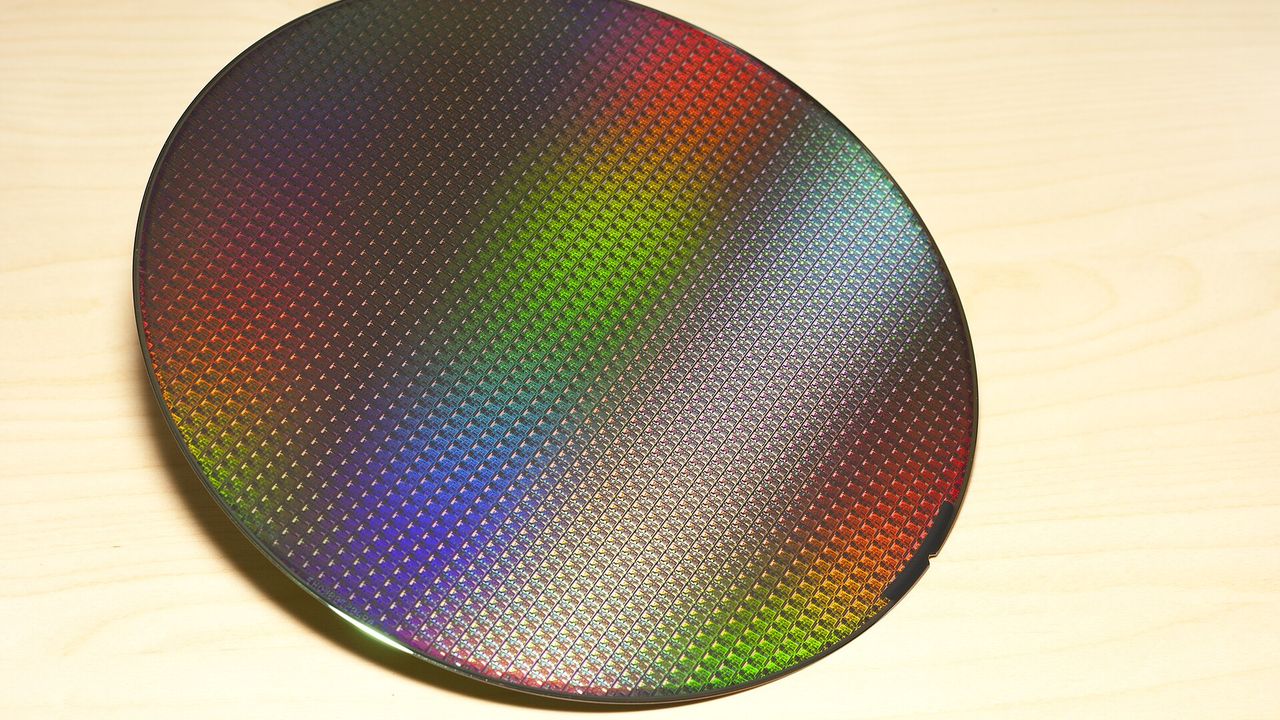
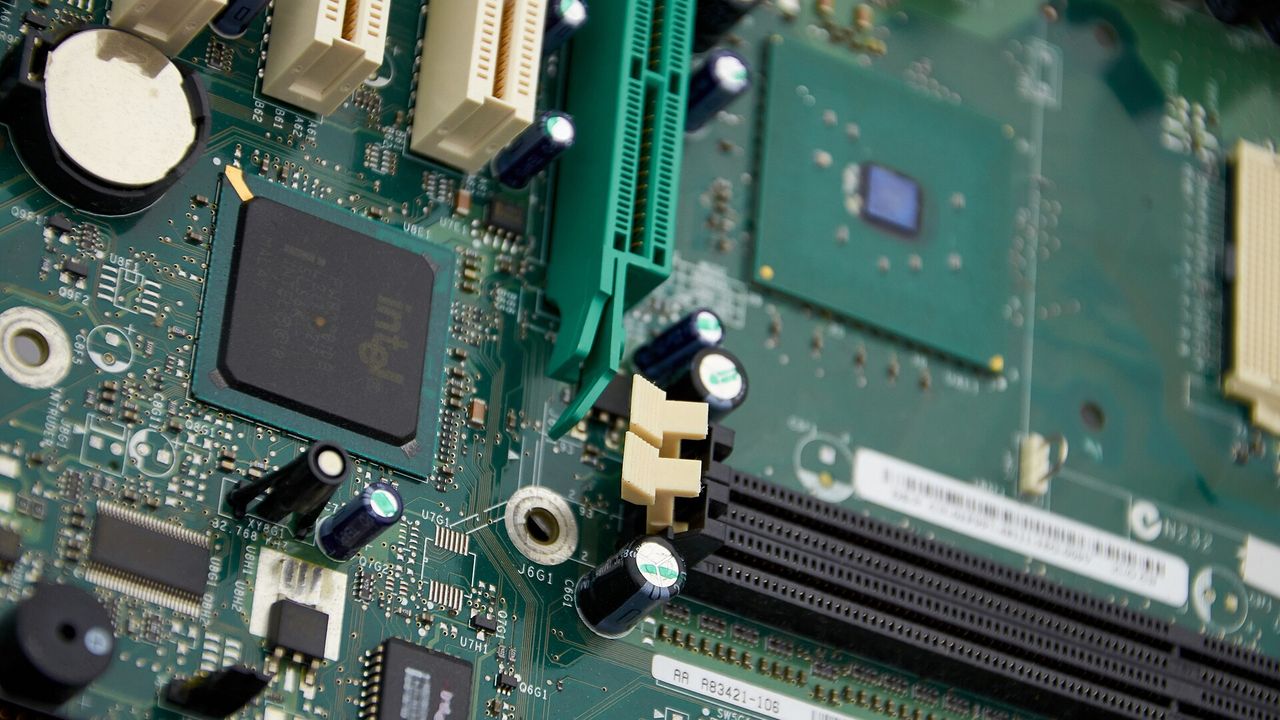
與內需地產的冰封形成刺眼對比,製造業內部展現出另一番景況。前 8 個月電子電路製造業投資累計暴增 58.8%,積體電路製造業投資增長 12.0%,帶動整體高技術產業投資逆勢上升 5.2%。這股強勁的資本支出動能並非源自終端消費的自然復甦,而是國家戰略資本與自主供應鏈替代政策強力注入的結果。面對外部地緣政治封鎖與先進技術出口限制,中國加速推動晶片成熟製程與核心硬體自給自足,各類半導體晶圓廠、印刷電路板及伺服器產能的建置步伐未見放緩,使高技術製造業在整體經濟動能失速的泥淖中,成為唯一的資本增量來源。In stark contrast to the freeze in real estate and domestic demand, a very different picture unfolded within advanced manufacturing. Cumulative investment in electronic circuit manufacturing surged 58.8% year over year through August, while integrated circuit manufacturing investment climbed 12.0%, lifting overall high-tech industry investment by 5.2%. This robust capital spending did not stem from an organic rebound in consumer appetite, but from strategic state capital and aggressive supply-chain localization policies. Faced with external geopolitical containment and export controls on advanced technologies, China has accelerated its push for self-sufficiency in mature-node chips and foundational hardware, maintaining an aggressive buildout of wafer fabs, printed circuit boards, and server capacity as the sole engine of incremental capital deployment amidst an otherwise stalling macro backdrop.
局部政策補貼難掩總體內需疲態Targeted Subsidies Fail to Mask Broad-Based Domestic Weakness
市場寄予厚望的消費品以舊換新政策,最終僅在受補助的單一品項上發揮效應。8 月份限額以上通訊器材類零售在補貼驅動下繳出年增 27.3%、月增 6.9%的亮眼成績,印證智慧手機與通訊終端的更換需求確實受到刺激,但這類政策紅利過於狹窄,根本無法填補房地產暴跌所造成的數兆元內需缺口。全國規模以上工業與採礦業產值維持 5.2%的增長,幾乎完全仰賴先進製造業的外銷訂單與國家特定項目支撐。當總體物價與廣泛消費動力未見回升,單靠出口與高技術投資維持的成長架構,將使經濟體質更加脆弱且失衡。Consumer trade-in subsidies, once hailed as a major catalyst, produced gains confined to targeted product niches. Subsidized retail sales of communications equipment among enterprises above designated size jumped 27.3% year over year in August and 6.9% month over month, confirming that smartphone and handset upgrades responded to state incentives; however, such narrow benefits cannot bridge the trillion-yuan demand deficit left by the property collapse. Industrial value-added output for enterprises above designated size held at 5.2% growth, almost entirely sustained by export orders for advanced manufacturing and targeted state allocations. With aggregate price levels and broad consumer demand yet to recover, relying solely on exports and high-tech capex will leave the broader economic structure increasingly fragile and unbalanced.
本刊認為,中國經濟外強內弱的割裂狀態已固化為中長期現實。新舊經濟之間的拉扯尚未見底,未來的觀察核心在於房地產開發投資跌勢是否加速擴散至地方金融系統,以及半導體硬體板塊的資本支出動能,能否在缺乏廣泛內需支撐的情況下維持其擴張步調,這將決定經濟能否避免走向整體失速。AHI Journal believes China's split-personality economy—characterized by external manufacturing resilience masking hollow domestic demand—has hardened into a structural reality. The tug-of-war between the old and new economies is far from over. Key markers ahead include whether the decline in property investment spills more aggressively into local financial networks, and whether semiconductor hardware capex can sustain its blistering pace absent broad domestic consumption, determining whether the broader economy avoids a systemic stall.
訂閱版提供製造業各板塊資本支出對比表、消費分項序列與地產通縮螺旋否證條件。The subscriber edition provides a cross-sector manufacturing capex matrix, granular consumer expenditure breakdowns, and falsification conditions for property deflation spirals.