 AHI Journal
南亞與聯電獲利預估分歧 賣方在成熟傳產與晶圓代工撕裂Earnings Divergence Widens for Nan Ya and UMC as Analysts Clash on Legacy Tech and Foundries
南亞 2026 年EPS落差達 66.9%,聯電亦有 3 成認知斷層,長約價格轉嫁成最大爭議點。A 66.9% gap in Nan Ya's 2026 EPS forecasts and a 30% divide on UMC highlight sharp disagreement over long-term contract pricing pass-through.

資本市場對成熟傳產與成熟製程晶圓代工的獲利前景出現罕見撕裂。研究機構對南亞 2026 年每股純益預估出現高達 66.9%的極端落差,聯電同年度的獲利預估差距亦超過 3 成。這場賣方共識的崩解,核心在於市場對AI外溢效應與產品漲價擴散速度的定價分歧。當資金試圖從純AI核心標的轉向二線供應鏈時,傳統業務的週期拖累與高階轉型的毛利拉動形成激烈拉鋸。這項認知落差不僅反映景氣復甦步調的不確定性,更凸顯定價權在成熟領域已成為多空對決的關鍵。Capital markets are witnessing an unusually stark fracture over the earnings outlook for mature traditional cyclicals and mature-node pure-play foundries. Wall Street research exhibits a staggering 66.9% dispersion in 2026 earnings-per-share forecasts for Nan Ya Plastics, while consensus projections for United Microelectronics Corp. (UMC) over the same fiscal year diverge by more than 30%. At the heart of this breakdown in sell-side consensus lies a fundamental valuation divide regarding the pace of AI spillover benefits and the diffusion rate of product price hikes. As capital rotates away from pure-play AI bellwethers toward second-tier supply chains, cyclical drags from legacy operations are locked in an intense tug-of-war against gross margin expansion driven by premium upgrades. This perceptual gap not only underscores deep uncertainty over the macroeconomic recovery's cadence, but also highlights that pricing power within mature operating environments has become the central fault line between bulls and bears.
新舊業務拉鋸加劇南亞預估分歧Old and New Line Struggles Deepen Nan Ya Forecast Chasm
彙整 9 家機構預估,南亞 2026 年每股純益區間橫跨 12.00 元至 20.03 元,分歧程度高居大型股前列。多空攻防核心,在於高階電子材料的增長動能能否完全覆蓋傳統石化事業的結構性虧損。南亞旗下的玻纖布、銅箔與環氧樹脂確實切入高階伺服器供應鏈,迎來材料升級帶動的報價提升;然而,傳統聚酯原料與塑膠加工業務的去化阻力依舊頑強。機構對其 2026 年營益率預測出現 11.7%至 13.54%的明顯鴻溝,顯示市場對雙軌轉型過程中獲利改善斜率的信心嚴重分化。A compilation of estimates from nine research houses reveals that Nan Ya's projected 2026 EPS spans a wide corridor between NT$12.00 and NT$20.03—among the highest degrees of analyst dispersion across mega-cap equities. The core debate centers on whether growth momentum in high-end electronic materials can fully offset structural losses across legacy petrochemical operations. Nan Ya's glass fabric, copper foil, and epoxy resin units have successfully penetrated high-end server supply chains, capturing upward price revisions fueled by material specification upgrades; nevertheless, channel destocking headwinds in commodity polyester feedstocks and plastic processing operations remain stubbornly entrenched. Institutions project a pronounced divergence in its 2026 operating margin, ranging from 11.7% to 13.54%, reflecting sharply divided institutional confidence regarding the trajectory of margin recovery amidst this dual-track transition.
晶圓代工定價遭遇中國產能阻力Foundry Pricing Power Encounters Chinese Capacity Wall
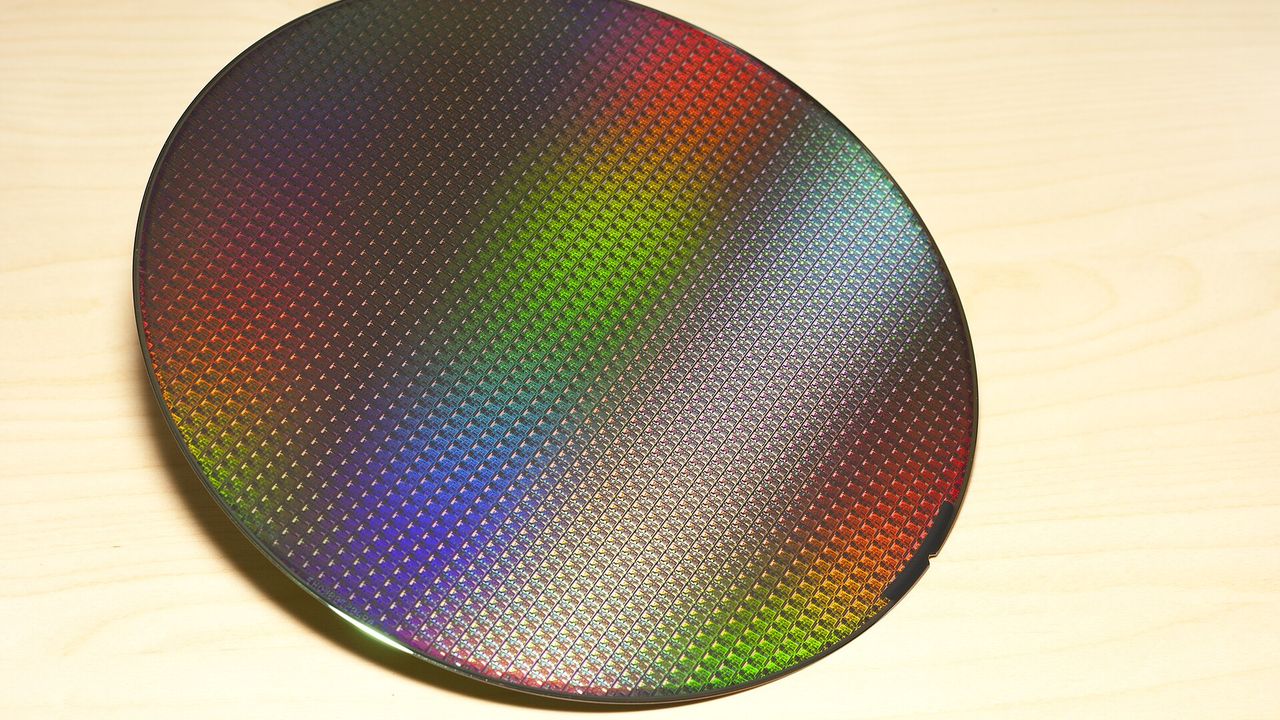
聯電的獲利預測同樣呈現賣方對成熟製程定價權的疑慮。6 家研究機構對其 2026 年每股純益給出 6.00 元至 7.86 元的離散區間,差幅達 31.0%,2027 年的差距更擴大至 7.00 元至 9.20 元。樂觀派認為 22 與 28 奈米製程稼動率回升,能引導代工長約價格反彈;保守派則緊盯中國競爭對手大舉開出的成熟產能,憂慮價格競爭將壓抑獲利空間。儘管聯電受惠AI外溢帶動特殊製程封測及電源IC需求,但推算至 2026 年相關營業額僅約 3 億美元,尚不足以徹底化解供過於求的陰霾。Earnings projections for UMC similarly reflect acute sell-side skepticism regarding mature-node foundry pricing power. Six research firms have issued a dispersed 2026 EPS target band ranging from NT$6.00 to NT$7.86, representing a 31.0% spread, with the projection gap widening further to NT$7.00 to NT$9.20 for 2027. The bull camp wagers that rebounding utilization across 22nm and 28nm platforms will orchestrate a recovery in long-term contract pricing. Conversely, conservative analysts point squarely at aggressive mature capacity expansions by Chinese mainland competitors, warning that price wars will severely compress margins. While UMC benefits from AI spillovers via specialized packaging and power management IC demand, projected 2026 revenues attributable to these vectors stand at merely US$300 million—far from sufficient to decisively dispel the overarching overhang of sector oversupply.
獲利轉化時程引發賣方定價分化Earnings Conversion Timelines Fracture Sell-Side Models
這種預估分歧揭示出二線受惠股在獲利轉化時間軸上的內在矛盾。不同於前期市場對先進AI供應鏈的單向樂觀,資金流向成熟傳產與代工環節時,必須面對龐大舊產能的現實牽制。無論是CCL上游材料或成熟特殊製程,廠商均難以完全脫離大宗商品市場的週期景氣。多方假設漲價循環能順利由高階向下滲透,快速修復整體獲利率;空方則主張傳統部門的供需失衡將大幅拖延毛利率回升節奏。雙方對「轉化速度」的認知落差,造成目前評價模型的巨大撕裂。This divergence in earnings projections exposes an inherent temporal friction in how second-tier beneficiaries convert top-line trends into bottom-line profits. Unlike the monolithic, one-way optimism previously showered upon advanced-node AI supply chains, capital allocations shifting into mature industrials and legacy foundries must confront the gravitational pull of massive legacy footprints. Whether producing copper-clad laminate raw materials or running mature specialty wafers, fabricators cannot cleanly decouple from broader commodity-market cycles. Bulls predicate their models on the assumption that premium price cycles will seamlessly cascade down to lower tiers, orchestrating a rapid repair of corporate-wide margins; bears argue that persistent supply-demand imbalances in legacy segments will substantially delay margin inflection. Divergent assumptions regarding this conversion velocity have resulted in a profound tear across prevailing valuation frameworks.
本刊判斷,成熟傳產與晶圓代工的評價修復已進入基本面嚴格檢驗期。接下來市場焦點將落在管理階層釋出的代工報價走勢,以及電子材料部門實質獲利率能否持續向上擴張。只有當長約轉嫁能力明確轉化為營益率改善時,多空分歧的獲利模型才可能重新靠攏。In this publication's assessment, valuation recoveries across mature industrials and legacy foundries have entered an unforgiving phase of fundamental scrutiny. Market focus will pivot squarely toward foundry contract pricing trajectories disclosed by management and whether sustained margin expansion in electronic materials segments can hold. Only when contractual pricing power translates into verifiable operating margin improvements will the currently fractured valuation models reconverge.
訂閱版提供 2 檔標的各機構獲利預估矩陣、營益率門檻拆解與法說會觀察指標。The subscriber edition provides institutional earnings estimate matrices for both tickers, operating margin threshold analyses, and earnings call surveillance indicators.