 AHI Journal
在算力擴散與材料短缺的夾縫中檢驗估值Testing Valuations Between Computing Proliferation and Material Scarcity
市場態:立場:偏多權值運算供應鏈、中性高估值材料組裝;信心:中(大盤高檔量縮且籌碼槓桿偏高);否證:集中市場融資餘額單週激增逾 150 億元且加權指數失守月線。Market State: Stance: Bullish large-cap computing supply chains; Neutral high-valuation materials and assembly. Confidence: Moderate (Index consolidates at highs on lighter turnover alongside stretched margin leverage). Disconfirmation: Margin debt balance surging over NT$15 billion in a single week coupled with the TAIEX breaking below its 20-day moving average.

台北股市在權值股拉動下持續創下歷史新高,推論架構的重組與AI算力擴散,推動主要運算核心的市值持續膨脹。然而,在這股狂熱背後,實體世界的物理交付瓶頸正悄然浮現,形成當前定價體系中最顯著的矛盾。資本市場對遠期產能的樂觀想像,與零組件供應鏈的實際出貨節奏產生脫節。當市場全數聚焦於算力翻倍的遠景時,上游材料的履約障礙與高漲成本正迅速堆積。這個裂隙決定了未來數季營運成果能否兌現高估值,也讓當前的指數高檔整理演變成一場檢驗各環節現金流轉換效率的實質壓力測試。Taiwanese equities have surged to fresh record highs on the back of mega-cap heavyweights, as the restructuring of inference architectures and the proliferation of AI computing power continue to inflate the market valuations of core processing champions. Yet beneath this euphoria, physical delivery bottlenecks in the real world are quietly emerging, creating the most glaring contradiction in today's asset-pricing landscape. Capital markets' buoyant projections for forward capacity are increasingly decoupled from the actual shipment cadences of component supply chains. While investors remain fixated on the prospect of doubling compute performance, fulfillment hurdles and spiraling upstream material costs are rapidly accumulating. This widening rift will dictate whether operational results over the coming quarters can justify today's premium valuations, turning the current high-altitude index consolidation into an acid test of cash-flow conversion efficiency across every tier of the supply chain.
運算架構擴散掩蓋實體交付阻礙Compute Architecture Expansion Masks Physical Delivery Hurdles
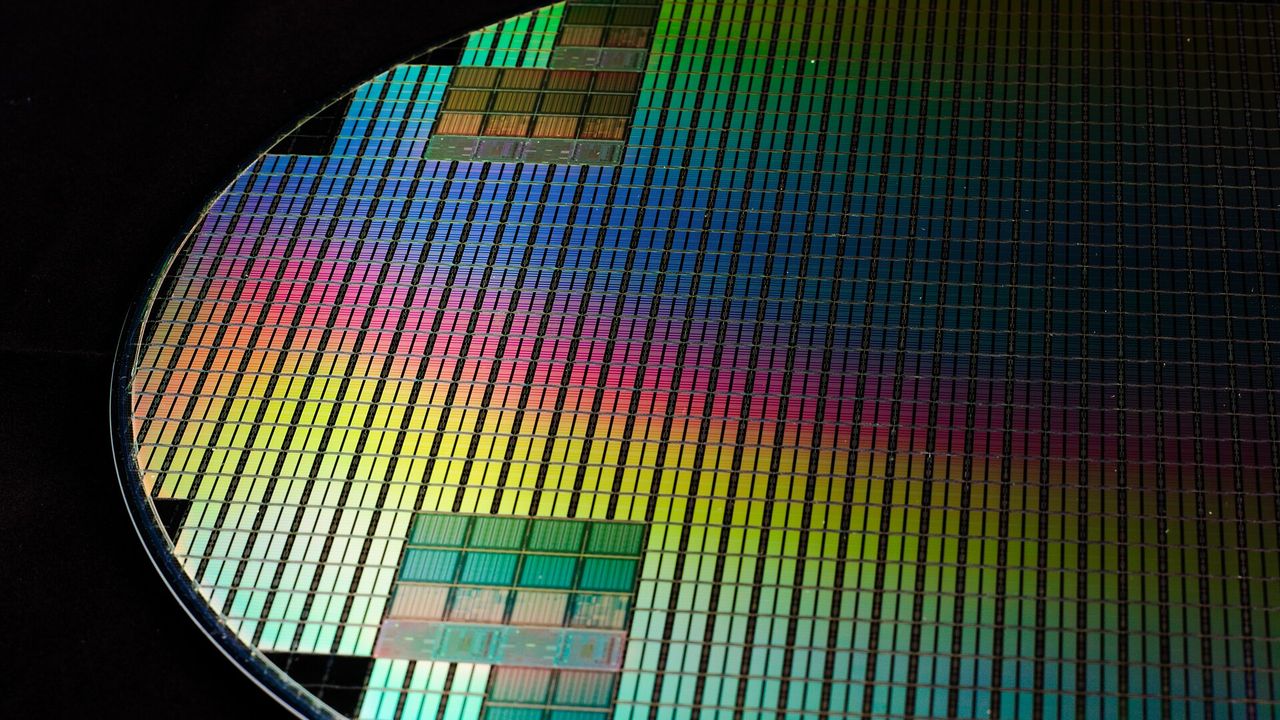
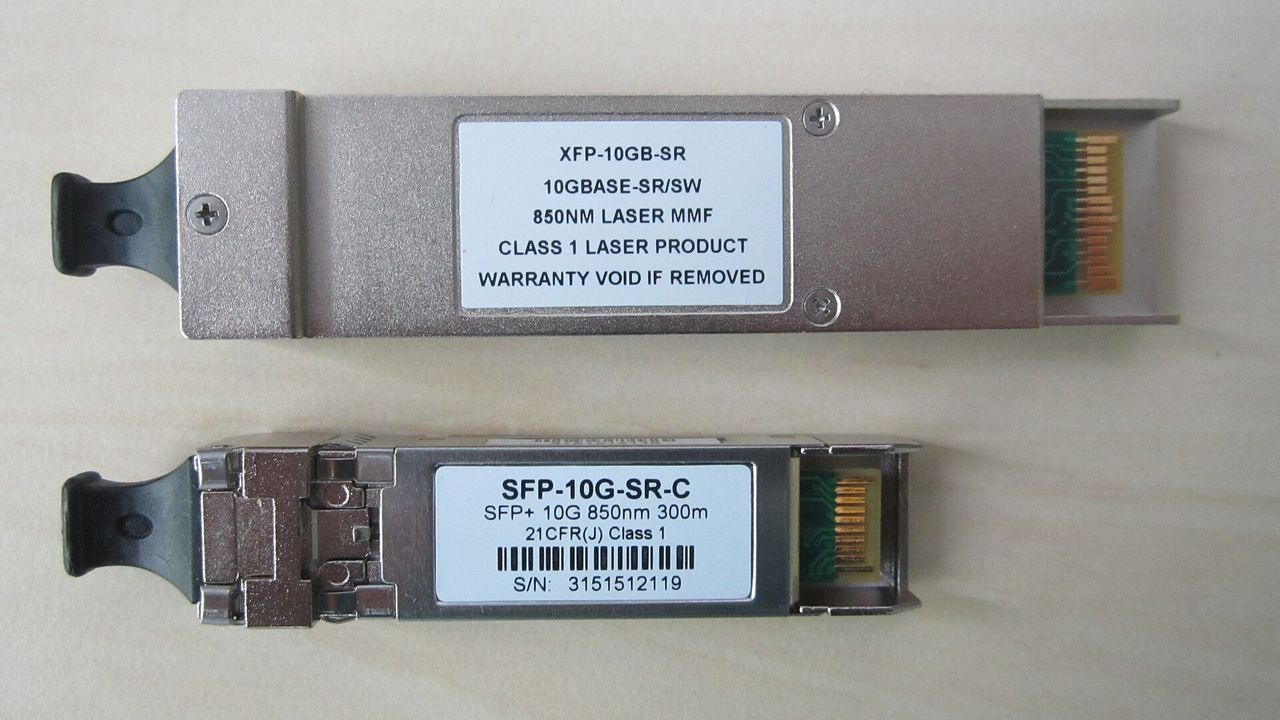
運算架構擴散推動大型權值股展現定價強韌度,晶圓代工與核心晶片設計商因此享受估值溢價。但光通訊與高階特殊材料領域,正遭遇實體製造能力的硬限制。先進封裝產能的擴展速度無法完全跟上推論需求,光纖與控制晶片的短缺直接壓縮了下游組裝模組的出貨節奏。這種極端分化意味著終端客戶的訂單即便再龐大,若缺乏關鍵元件的配合,也無法立即在硬體組裝端轉化為實際營收。資本市場給予權值股極高信任的同時,供應鏈內部正承受產出遞延的實質摩擦,這將使產業各環節的收益分化急遽擴大。The widening footprint of computing architectures has endowed heavyweight leaders with remarkable pricing resilience, granting pure-play foundries and core chip designers hefty valuation premiums. However, sectors spanning optical communications and high-end specialty materials are running into the hard physical limits of manufacturing capacity. The expansion of advanced packaging lines has failed to keep pace with soaring inference demand, while shortages of optical fiber and controller chips are directly stifling shipment schedules for downstream assembly modules. This sharp polarization means that no matter how massive end-customer backlogs appear, orders cannot readily translate into top-line revenue at the hardware integration stage without matching critical components. Even as financial markets grant blue-chip titans immense benefit of the doubt, the underlying supply chain is wrestling with real output friction—a dynamic poised to dramatically widen the earnings divergence across industry tiers.
成本重簽落差考驗中小型供應鏈Contract Repricing Gap Tests Mid-and-Small-Tier Suppliers
盤面共識目前充斥著算力在數年內翻倍的樂觀願景,卻普遍忽略了即將浮現的成本衝擊。矽晶圓長約重簽所帶來的價格落差高達 145.6%,這項潛在負擔將直接侵蝕中下游零組件廠的毛利空間。伴隨光纖等關鍵材料短缺,模組廠下半年的出貨動能將受到實質壓制。相較於具備強大轉嫁能力的龍頭權值業者,中小型供應商既要面對原物料成本跳升,又缺乏定價話語權,其營運韌性將面臨重大考驗。當財務報表陸續公布時,市場終將被迫正視原料短缺與報價拉扯所帶來的實質盈利縮水,引發獲利預期的重新校準。Prevailing market consensus remains steeped in rosy forecasts of compute capacity doubling within a few years, yet it broadly overlooks an imminent cost shock. The price disparity stemming from the renegotiation of long-term silicon wafer contracts has reached as high as 145.6%, a latent overhang destined to compress the gross margins of mid- and downstream component manufacturers. Compounded by shortages of indispensable inputs like optical fiber, module makers face genuine headwinds to their second-half shipment momentum. Unlike tier-one heavyweights that wield formidable pass-through power, small- and mid-cap suppliers must absorb surging raw-material expenses without pricing leverage, severely testing their operational resilience. As upcoming earnings scorecards roll in, the market will inevitably have to confront the real earnings shrinkage wrought by raw-material deficits and price tug-of-wars, triggering a sobering reassessment of profit estimates.
產能資本支出與宏觀折現率競逐Capex Escalation Competes with Macro Discount Rates
供應鏈裂痕的化解並非毫無路徑,關鍵在於產業領頭羊的資本承諾能否超越瓶頸擴散的速度。晶圓代工龍頭在即將到來的法人說明會中,若能釋出顯著高於市場預期的資本支出指引,將直接給予設備與材料端最強大的擴產訊號,從而縮短產能爬坡的痛苦期。另一方面,能源成本與通膨環境對折現率的影響同樣舉足輕重,國際油價若能持續穩定在每桶 95 美元以下,宏觀利率預期的降溫將有效舒緩資金成本壓力。唯有資本支出擴張與折現率下行同步發生,市場才能以充沛流動性撫平實體短缺,引導估值展開廣泛重估。Resolving this supply-chain schism is not impossible, but it hinges on whether the capital commitments of bellwether leaders can outpace the spread of production bottlenecks. Should the leading foundry titan deliver forward capital expenditure guidance materially above consensus at its forthcoming investor conference, it would send a decisive expansion signal to equipment and material suppliers, shortening the agonizing capacity ramp. Meanwhile, the sway of energy costs and inflationary dynamics over macroeconomic discount rates remains pivotal; if global crude benchmarks hold stably below $95 a barrel, cooling interest-rate expectations would provide meaningful relief from capital-cost pressures. Only through the twin engines of expanding capex and declining discount rates can ample liquidity bridge physical supply deficits, paving the way for a broader, sustainable valuation rerating.
當前產業環境呈現核心權值與週邊材料的強弱分化,投資定價應偏向具備結構性防禦力的運算核心,並對高估值但缺乏轉嫁能力的材料組裝環節維持審慎態度。後續首要觀察半導體巨頭對未來資本開支的定調,以及能源價格對利率走勢的實質牽制,這 2 項動態將決定市場能否順利跨越實體交付的鴻溝。The industrial backdrop is defined by a stark bifurcation between core market-cap pillars and peripheral materials suppliers. Portfolio pricing should favor structural compute stalwarts while maintaining a guarded posture toward rich-multiple assembly and material names that lack cost pass-through capabilities. Looking ahead, the critical signposts will be how semiconductor behemoths frame their future capex envelopes and how energy prices govern the trajectory of benchmark yields—two variables that will decide whether the market can safely traverse this physical delivery chasm.
訂閱版提供多空部位配置矩陣、族群評價敏感度圖表,以及多頭防守之完整否證條件。The subscriber edition delivers long-short asset allocation matrices, thematic valuation sensitivity charts, and explicit falsification criteria governing our tactical bull thesis.