 AHI Journal
光電子營收比重逼近 5 成,全新迎來磊晶結構的黃金交叉Optoelectronics Approaches 50% of Sales as Visual Photonics Hits Inflection Point
AI資料中心 1.6T光模組需求爆發,全新 8 月光電子營收佔比急拉至 46.1%;透過客供料模式化解磷化銦斷料隱憂,獲利體質跨入高毛利擴張期。Surging 1.6T module demand drove optoelectronics to 46.1% of August revenue at Visual Photonics, where customer-consigned materials insulated margins from InP wafer shortages.

光通訊磊晶製造正面臨關鍵的結構性反轉。過去長期依賴手機射頻元件的微電子業務,其成長動能正迅速讓位給高速光通訊應用。全新 8 月合併營收來到 4.7 億元,年增率高達 71.2%,其中光電子業務比重從第 2 季的 27.1%急遽拉升至 46.1%,逼近單月營收過半的關鍵門檻。這項轉向之所以在此刻至關重要,在於AI算力軍備競賽已由單純的運算晶片堆疊,轉移至跨伺服器與晶片間的海量資料傳輸。伴隨光電子佔比快速突破,化合物半導體供應鏈的獲利結構與評價邏輯正在被全面重寫,傳統週期性消費電子的標籤已被高速資料中心基礎建設取代。The optical communications epiwafer sector is undergoing a decisive structural pivot, as the historical growth engine of cellular RF microelectronics swiftly yields to high-speed optical communications. Visual Photonics Epitaxy Co. (VPEC) reported August consolidated revenue of 470 million NTD, surging 71.2% year-over-year, as optoelectronics jumped from 27.1% of second-quarter sales to 46.1%, nearing the milestone of half of monthly revenue. The timing of this shift is paramount: the AI compute arms race has expanded from packing raw processor power to resolving massive data transit bottlenecks across servers and individual ASICs. With optoelectronics crossing this threshold, the compound semiconductor supply chain is overhauling its earnings structure and valuation logic, shedding its cyclical consumer electronics heritage in favor of secular data center infrastructure.
AI資料中心驅動光模組世代交替AI Data Centers Spark an Optical Transceiver Generational Leap
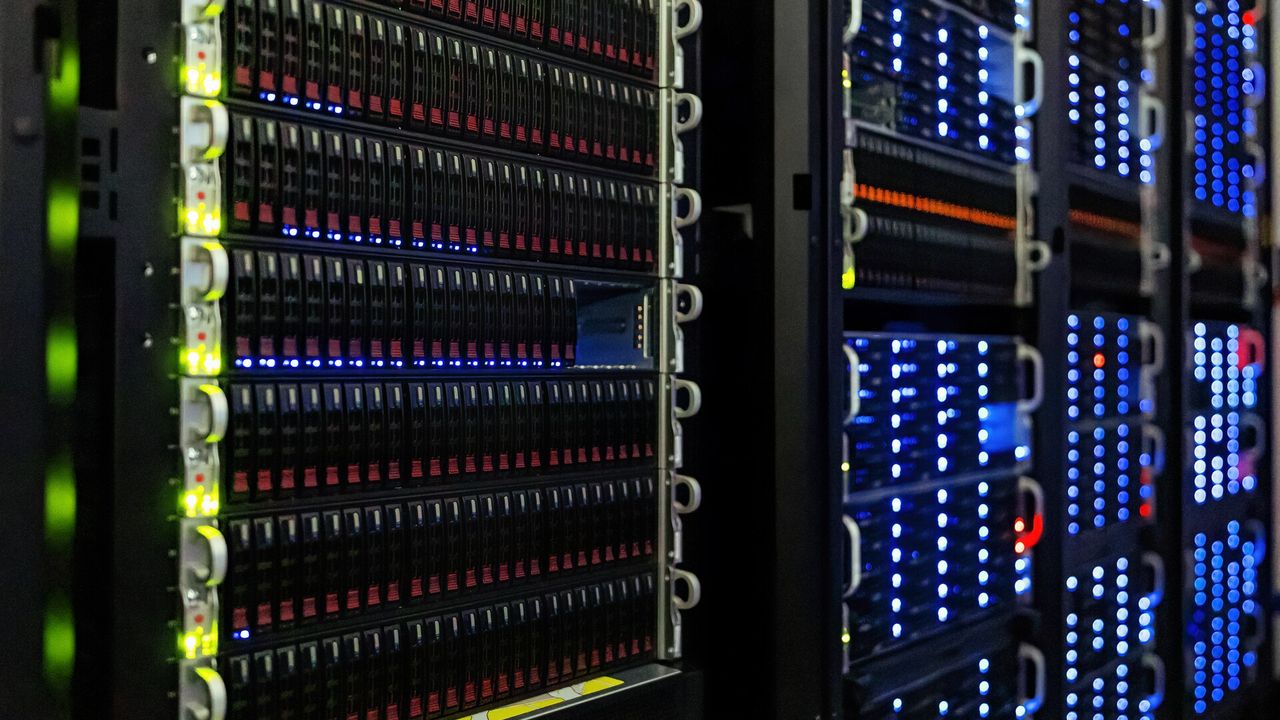
推動這波營收質變的核心引擎,源自人工智慧巨型運算叢集對網路頻寬的嚴苛要求。當單一運算聚落集結數以萬計的圖形處理器,晶片間相互溝通的低延遲光學連接數量便呈現幾何級數爆發。目前主流的 800G接收端元件出貨量已呈現倍數擴張,而針對次世代算力平台設計的 1.6T高速光模組,也陸續完成一線模組大廠的產品驗證程序。隨著傳輸速率倍增帶動磊晶製程層數與工藝複雜度同步攀升,產品單位價值顯著改善,使市場預估該公司每股純益將自今年的 5.48 元,在 2027 年跨越至 8.33 元,確立了營收規模與獲利能力的雙重擴張週期。The principal catalyst behind this revenue transformation is the unrelenting bandwidth demand of hyperscale AI compute clusters. As individual clusters scale across tens of thousands of GPUs, low-latency inter-chip optical connections expand exponentially. Shipments of mainstream 800G receiver components are already compounding at multi-fold rates, while 1.6T high-speed optical transceivers engineered for next-generation compute platforms have cleared qualification at top-tier optical module makers. Because doubling transmission speeds steepens epitaxial layer counts and process complexity, unit ASPs improve substantially. Market consensus projects the company's earnings per share to advance from 5.48 NTD this year to 8.33 NTD by 2027, establishing a synchronized expansion across both top-line scale and margin leverage.
客供料代工機制化解原料斷鏈隱憂Consignment Foundry Model Defuses Upstream Material Bottlenecks
儘管光學磊晶市場需求強勁,上游原物料磷化銦的取得難度,卻一度成為市場評估產能稼動的最大變數。面對國際地緣貿易限制所衍生的出口審查流程,晶圓製造端與系統客戶迅速採取客戶自帶料的委託代工模式因應。這項轉變成功拆解了原料庫存不足導致有機金屬化學氣相沉積機台停機的營運風險。更重要的是,代工廠無須負擔高價基板的採購與存貨跌價壓力,純代工的服務結構直接淨化了獲利品質,帶動晶圓製造毛利率由前期的 38.6%顯著拉抬至 44.3%,有效將供應鏈不確定性轉化為利潤率的提升契機。Despite explosive demand for optical epitaxy, securing upstream indium phosphide (InP) substrates had loomed as the single largest operational variable for capacity utilization. In response to export controls and cross-border trade constraints, epiwafer foundries and tier-one customers moved rapidly to a customer-consigned material model. This approach dismantled the risk of MOCVD reactor downtime caused by raw substrate shortages. Crucially, pure-play foundry execution relieves the fabricator of working capital burdens and inventory markdowns tied to expensive substrates, directly polishing gross earnings quality. The shift lifted wafer fabrication gross margins from 38.6% to 44.3%, successfully converting a supply chain friction into structural margin expansion.
化合物半導體代工分化出迥異路徑Compound Semiconductor Foundries Diverge on Strategy
這波產業技術升級浪潮同時拉開了化合物半導體同業間的定位差異。相較於全新全力押注資料中心高速傳輸介面,專注於砷化鎵代工的宏捷科則選擇了截然不同的航道。宏捷科在手機市場主要受惠於美系整合元件製造廠退出安卓中高階機種的轉單效益,並擴大承接非手機應用,其無人機功率放大器在今年上半年繳出營收年增 194.6%的亮眼表現。2 家業者在終端應用上的戰略分流,標誌著三五族半導體已脫離過去高度依賴智慧型手機單一循環的發展軌道,形成資料通訊與特種無線射頻雙軌並進的競爭新生態。This technological inflection is driving a sharp strategic parting of ways across the compound semiconductor landscape. While VPEC is betting heavily on high-speed data center interconnects, pure-play GaAs foundry Advanced Wireless Semiconductor Company (AWSC) has chartered a distinct course. In the cellular arena, AWSC is benefiting primarily from order diversion as a major U.S. IDM retreats from Android mid-to-high-tier handsets, while simultaneously expanding into non-mobile frontiers: revenue from its drone power amplifier business leapt 194.6% year-over-year in the first half of the year. This divergence indicates that III-V compound semiconductor players have decoupled from single-cycle smartphone dependence, crystallizing a new dual-track ecosystem divided between datacom optics and specialized wireless RF.
本刊認為,光電子業務已不可逆地成為全新營運動能的決定性力量,使公司從過往緊貼手機景氣的射頻晶圓廠,質變為算力基礎建設不可或缺的光學互聯樞紐。後續觀察重點在於跨國原料審批流程是否保持順暢,以及一線資料中心客戶由測試驗證邁向實質大規模採購光模組的時程推進。We conclude that optoelectronics has irreversibly become the primary growth driver for VPEC, transforming the company from an RF epiwafer house tethered to smartphone cycles into an indispensable optical interconnect nexus for AI infrastructure. Key signposts to track include the friction-free navigation of international raw material export approvals and the precise calendar pace at which tier-one data center operators migrate from transceiver validation to large-scale commercial procurement.
付費內文拆解 1.6T光模組驗證進度表、客供料毛利推估模型及原料出口審批等否證條件。The paid briefing details the 1.6T transceiver validation roadmap, a tolling margin sensitivity model, and falsification checkpoints regarding upstream raw material export approvals.