 AHI Journal
傳統網通遭算力吞噬,日本核電重啟折射全球電力荒Traditional Networking Suffers Capex Squeeze as Japan Restarts Nuclear Reactors
訊舟等終端設備商在AI排擠效應下陷入虧損,日本電力大廠因重啟 16GW核能資產獲買盤青睞;全球資本開支正展開殘酷的存量掠奪。Edge equipment makers like Edimax slipped into losses under AI budget diversion, while Japanese utilities rallied on 16GW in reactor restarts amid global power constraints.
全球人工智慧競賽的熱潮背後,科技產業正面臨一場極為殘酷的存量資源重組。當龐大的資本支出集中湧向高階運算晶片與伺服器架構時,邊陲硬體設備商與底層基載能源的命運出現了劇烈分化。台灣二線網通製造商在企業預算遭到擠壓的窘境下深陷虧損泥淖,而日本公用事業板塊卻因應龐大運算能耗,迎來重啟核能機組的長線利多。這場由算力引發的資本挪移,不僅打破了傳統科技硬體供應鏈的循環常態,更讓電力基礎建設躍升為左右產業擴張的核心瓶頸,投資市場正加速對不同環節進行價值重估。Beneath the surface of the global AI race lies a brutal reallocation of legacy corporate resources. As hyperscale capital expenditures concentrate heavily into top-tier silicon and specialized server racks, the fortunes of peripheral hardware makers and base-load utility providers are sharply diverging. Second-tier Taiwanese networking equipment vendors are tumbling into operational losses as enterprise spending is diverted elsewhere, while Japanese utilities are enjoying long-term tailwinds driven by nuclear restarts to satisfy surging computing energy demand. This reallocation is upending standard hardware replacement cycles and elevating power infrastructure into the ultimate bottleneck governing tech expansion, accelerating a market-wide repricing across the supply chain.
運算支出擠壓傳統網通預算Compute Outlays Crowd Out Legacy Networking Budgets
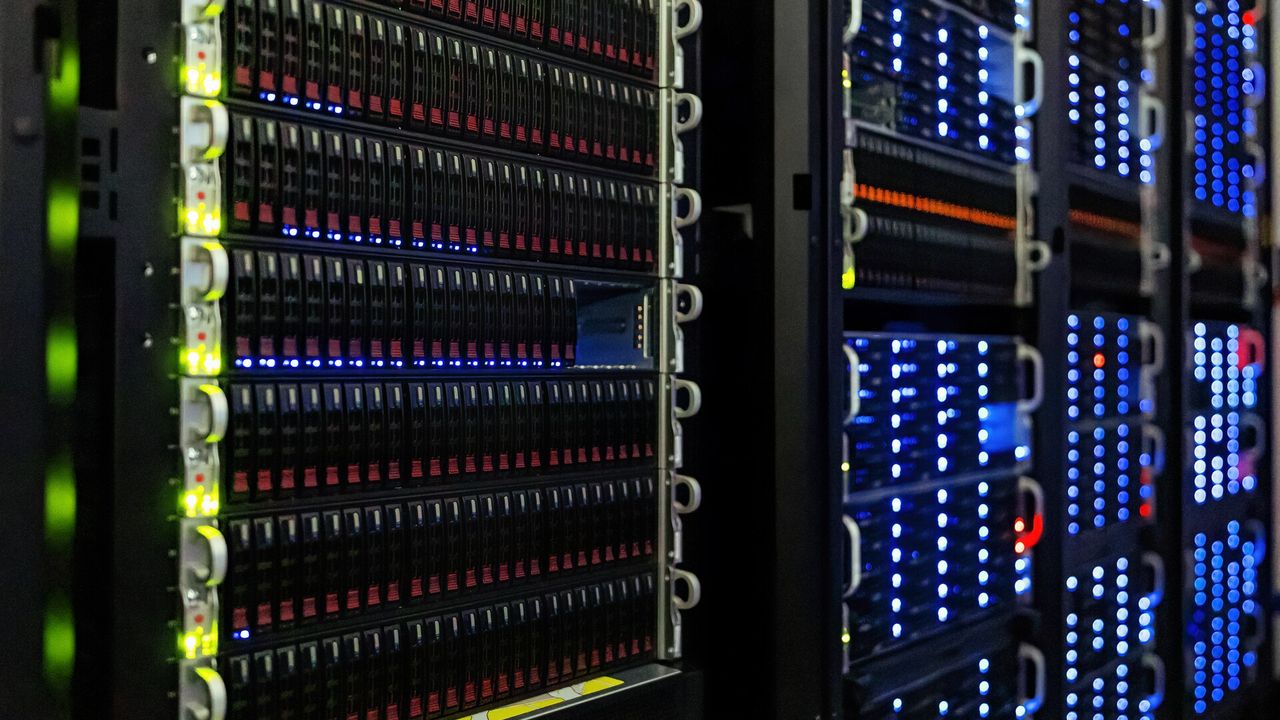
終端網通廠商最新公布的營運數據,暴露出算力建置對周邊硬體造成的排擠效應。訊舟第 2 季合併營收滑落至 7.82 億元,較去年同期衰退 18.8%,營業利益率更直接下探至負 8.7%,單季每股虧損 0.31 元。企業客戶在規劃年度IT支出時,幾乎將所有資源投入AI伺服器與GPU叢集建置,導致傳統寬頻接取設備與區域網路交換器的升級需求遭到大幅擱置。原本被視為剛性需求的基礎通訊設備,在客戶資本支出轉向的過程之中,瞬間淪為被犧牲的非核心項目,衝擊了中小規模網通廠的獲利體質。The latest operational numbers from downstream networking vendors expose how compute investments are crowding out ancillary hardware. Edimax Technology reported second-quarter consolidated revenue of NT$782 million, down 18.8% year-over-year, while its operating margin plunged to negative 8.7%, resulting in a quarterly net loss of NT$0.31 per share. Corporate clients drafting annual IT budgets have directed virtually all discretionary capital to AI servers and GPU clusters, indefinitely deferring upgrades for traditional broadband access hardware and enterprise local-area network switches. Foundational communications hardware, once treated as non-discretionary baseline spending, has abruptly been demoted to an expendable budget line item, battering mid-sized networking vendors' balance sheets.
成本上漲與庫存去化形成夾擊Rising Input Costs and Inventory Digestion Form a Pincer
除了終端需求遭到排擠,關鍵零組件的通膨壓力更讓邊陲製造商面臨嚴苛的營運考驗。在記憶體、被動元件與高頻基材價格同步上漲的環境下,缺乏採購規模優勢的中小型業者難以轉嫁增加的物料成本。該公司存貨週轉天數已拉長至 95 天,高達 8.95 億元的庫存水位持續承受潛在跌價風險。即便部分廠商試圖跨足智慧物聯網領域,期望藉由較高毛利的客製化解決方案扭轉劣勢,但新興業務的營收規模仍然極為有限,根本無法填補主流電信客戶採購動能熄火所留下的營收缺口,短期經營壓力倍增。Beyond demand diversion, inflation in critical components is mounting pressure on peripheral manufacturers. Amid concurrent price hikes across memory, passives, and high-frequency substrates, smaller manufacturers lacking procurement scale cannot easily pass along these input cost increases. Edimax's inventory turnover days have stretched to 95 days, leaving NT$895 million in inventories exposed to markdown risks. Even as some vendors seek higher-margin refuge in customized smart IoT solutions, emerging revenue lines remain too small to offset the loss of momentum from core telecom and carrier clients, compounding near-term operating strain.
運算能耗驅動核能基載全面重啟Energy Appetites Prompt Nuclear Base-Load Reassessment
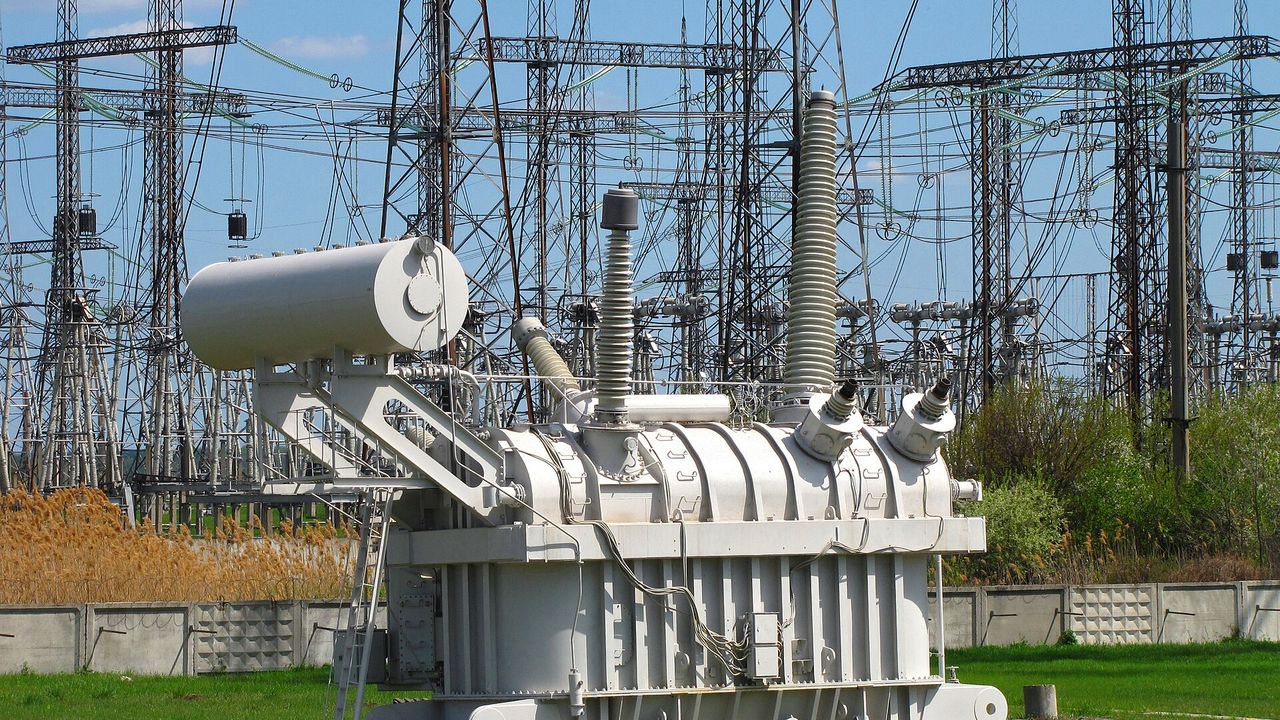
算力擴張不僅重構硬體供應鏈,更在海外資本市場引發電力資產的價值重估。在日本股市因地緣政治與貨幣政策預期引發回檔、日經指數單日下挫 1.93%之際,關西電力與東京電力等公用事業類股卻展現強韌抗跌力道。日本官方規劃在 2050 年以前完成 16GW的老舊核電反應爐改建與運轉延役,其核心目的即是替大舉進駐的資料中心提供穩定的基載電力。全球超大規模雲端服務商對低碳且持續運行的能源需求,正迫使各國政府重新接納核能,使電力供應成為運算競賽中最具防禦價值的關鍵拼圖。Computing expansion is not merely reordering the hardware chain; it is driving a fundamental reassessment of utility assets in overseas equity markets. Even as geopolitical friction and shifting monetary policy expectations dragged the Nikkei down 1.93% in a single session, power utilities including Kansai Electric Power and Tokyo Electric Power demonstrated resilient outperformance. Tokyo's official blueprint calls for rebuilding or extending the operational lifespan of 16GW of older nuclear reactor capacity by 2050, designed principally to provide steady base-load electricity for incoming data center clusters. The global cloud giants' appetite for firm, low-carbon power is forcing governments to re-embrace nuclear generation, turning dependable base load into an exceptionally defensive asset.
科技投資的核心邏輯已從全面普及轉向特定資源的集中掠奪。後續觀察重點在於歐美電信巨頭即將公布的資本支出結構,特別是傳統寬頻與骨幹網路採購是否會持續延遲;若網通設備標案進一步推遲,缺乏規模效益的中小型組裝廠將面臨汰弱留強的整併壓力,而擁有獨立基載發電優勢的電力供應商,則將持續坐享能源外溢紅利。The operational playbook for tech investing has shifted from broad adoption to a battle over scarce, mission-critical resources. The primary focal point ahead will be the upcoming capex breakdowns from major Western telecom carriers, particularly whether spending on traditional broadband and core backhaul remains depressed. If networking procurement tenders slip further, subscale assemblers will face aggressive industry consolidation, while power providers with proprietary base-load advantages will continue capturing computing energy spillover gains.
訂閱版詳列二線網通廠存貨週轉壓力矩陣、日本核電改建時程序列及電信資本開支觀察指標。The subscriber edition features an inventory turnover stress matrix for tier-two network vendors, a timeline for Japanese nuclear restarts, and key leading telecom capex indicators.