 AHI Journal
被動元件產能洗牌與大尺寸MLCC漲價潮Passive Component Reshuffle Drives Price Hikes in Large-Case MLCCs
村田淡出常規規格轉戰高階,引爆台系被動元件族群實質轉單Murata steps back from commodity footprints to target high-end segments, triggering a structural diversion of orders to Taiwanese makers.
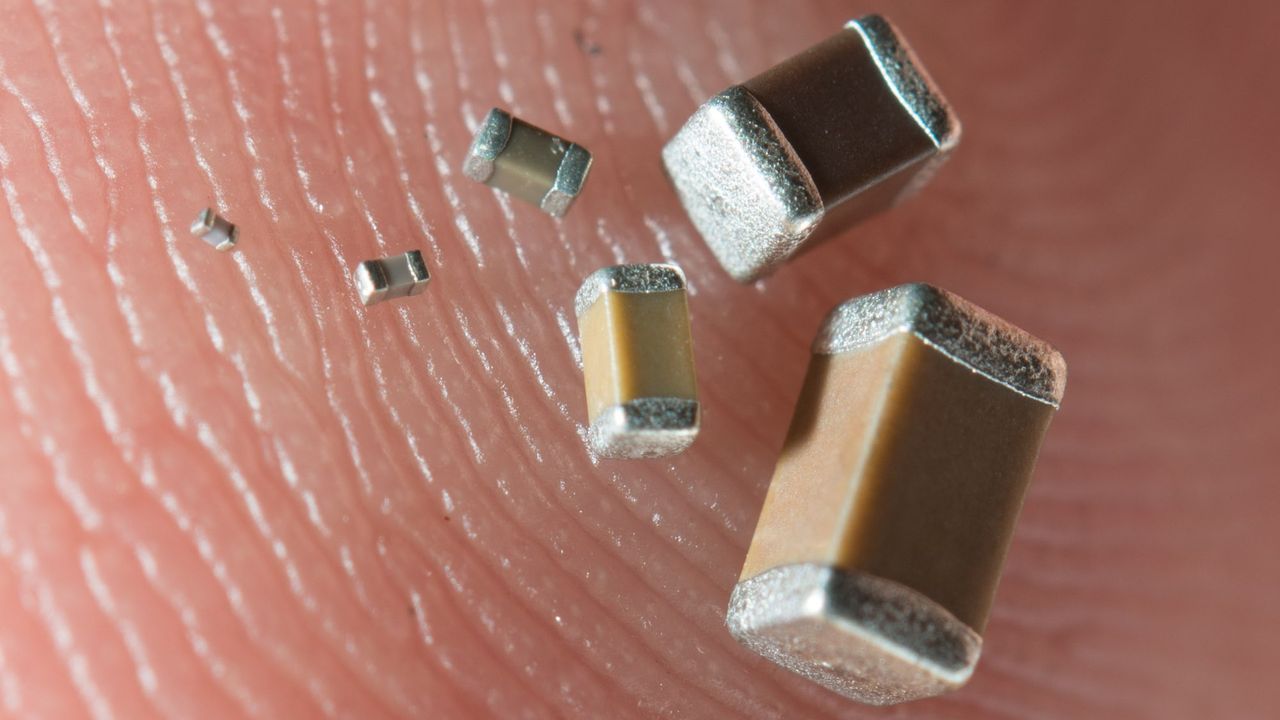
被動元件產業正經歷數年來罕見的供給洗牌。龍頭日商村田製作所於 9 月 10 日正式發布EOL停產通知,旗下 9 大系列常規及車規MLCC產品預計自 2028 年起陸續終止生產,現階段交期已全面拉長至 26 週以上。這項決策象徵被動元件標準品市場的價格主導權正式易手。推動這場變革的根本動力,來自新一代AI伺服器對供電規格的劇烈拉升,迫使日系大廠全面將產線重組並轉移至高毛利特殊料號。這使常規與車用規格形成龐大的供給真空,台系供應鏈因而直接站在接手 1,000 億元市場份額與主導漲價浪潮的關鍵節點。The passive component industry is undergoing a structural supply shakeout unseen in years. Japanese bellwether Murata Manufacturing issued an official End-of-Life (EOL) notice on September 10, outlining plans to phase out production across nine major series of standard and automotive-grade MLCCs starting in 2028, with current lead times stretching past 26 weeks. The move signals an effective transfer of pricing power in standard passive components. Driving the strategic retreat is the steep escalation in power delivery specifications required by next-generation AI servers, which is compelling Japanese majors to repurpose manufacturing lines toward high-margin, specialized parts. This rotation leaves a substantial supply void across standard and automotive footprints, positioning Taiwanese suppliers to capture a NT$100-billion market opportunity and steer an emerging cycle of price increases.
高壓直流架構引爆特殊規格需求High-Voltage DC Architectures Ignite Demand for Specialized Parts
這場產能遷移的核心機制,在於人工智慧資料中心供電規格的急速更迭。隨著新一代AI機櫃全面導入 800V高壓直流架構,單一機櫃所需的被動元件數量較傳統伺服器激增 3 倍以上,需求高度集中於高電壓、大尺寸與超低介電損耗等嚴苛規格。面對此類極具利潤吸引力的特殊品需求,日系龍頭必須騰出既有產能應對,主動放棄過去獲利相對受限的常規料號。產能挪移直接切斷了常規與成熟車用規格的原有供給平衡,不僅拉長了既有訂單的交付週期,更在整體被動元件市場中造成結構性的實質短缺。The fundamental driver behind this capacity shift is the rapid overhaul of power delivery architectures in AI data centers. With next-generation AI server racks widely adopting 800V high-voltage direct-current systems, the passive component count per rack has grown more than threefold compared with conventional servers. This demand is intensely concentrated in demanding form factors requiring high voltage ratings, large case sizes, and ultra-low dielectric loss. Drawn by the superior margins of these specialized offerings, Japanese industry leaders have redirected capacity away from mature, lower-margin standard lines. The reallocation has disrupted the supply-demand balance in conventional and automotive specifications, extending fulfillment cycles and triggering structural shortages across broader passive component channels.
轉單效應全面外溢推升合約報價Spillover Orders Lift Contract Pricing Across the Board
供給收縮的連鎖效應隨即在供應鏈報價上顯現。隨著日系大廠逐步淡出常規品,台廠產能迅速成為全球客戶的替代首選。信昌電第 2 季AI相關營收比重已躍升至 9.2%,下半年大尺寸產品合約價已全面調漲約 30%,在手訂單能見度更是延伸達 12 個月之久。與此同時,國巨與華新科等指標業者在高階產品線的產能稼動率亦全數衝上滿載水準,市場已傳出第 4 季合約價將迎來 15%至 25%的進一步調升。這顯示產能退出所產生的轉單紅利,正由個別產品線擴散至整體大尺寸規格的定價權。The supply squeeze is reverberating quickly across component pricing. As Japanese manufacturers scale back standard production, Taiwanese capacity has become the primary alternative for global procurement teams. PDC (6449) saw its AI-related revenue share climb to 9.2% in the second quarter, while contract prices on its large-format products jumped roughly 30% for the second half, backed by order visibility extending 12 months. At the same time, capacity utilization for high-end product lines at Yageo and Walsin Technology has hit full operational capacity, with industry channel checks pointing to further fourth-quarter contract price hikes between 15% and 25%. The dividend from exiting Japanese capacity is broadening from isolated SKUs into wider pricing power across large-case passive components.
組裝端成本承壓與產能擴張競逐Assembly Margins Squeezed as Race for New Capacity Escalates
上游零組件的強勢漲價,直接倒逼下游伺服器組裝環節承受毛利被侵蝕的壓力。系統組裝廠在應對晶片與記憶體價格變動之際,又面臨被動元件交期拉長與報價跳升的雙重衝擊,庫存管理難度顯著增加。然而,對具備自製材料與高度垂直整合能力的被動元件製造商而言,定價強勢意味著利潤率擴張趨勢確立。以信昌電為例,其楊梅二廠預計於 2027 年完工投產,屆時MLCC產能規模將翻倍釋出。這意味著在日廠退場與新產能銜接的數年時間內,握有現貨與優質料源的廠商將持續佔據產業戰略制高點。Aggressive component price increases upstream are squeezing gross margins across downstream server electronics manufacturing services (EMS) providers. System integrators, already navigating price volatility across processors and memory, now face the dual challenge of extended passive lead times and rising quotes, complicating inventory controls. Conversely, for passive component makers with proprietary material formulations and deep vertical integration, structural pricing power underpins a sustained margin expansion cycle. For example, PDC's Yangmei Plant 2 is scheduled for completion and volume production in 2027, which will double its MLCC capacity. During the multi-year gap between Japanese line closures and new capacity ramp-ups, suppliers with immediate inventory and secure raw materials will command significant strategic leverage.
本刊判斷,被動元件產業已由過去的殺價去庫存循環,正式轉入供給受限驅動的結構性賣方市場。後續關鍵觀察點在於:第 4 季合約價在下游系統廠的實質落地程度、台系主要廠商單月營收成長動能是否維持逐月增長軌跡,以及日系大廠高額資本支出的新產能是否出現提前投產的進度變化。In our judgment, the passive component sector has transitioned away from the price-cutting, destocking cycle of prior years into a structural seller's market driven by capacity constraints. Key indicators to monitor include: the downstream absorption rate of fourth-quarter contract price hikes among tier-one system integrators; the month-over-month revenue trajectories of leading Taiwanese suppliers; and whether capital expenditure additions by Japanese majors yield any acceleration in production timelines.
訂閱版提供台廠月營收門檻檢驗、第 4 季合約價漲幅檢查點,以及日廠新產能釋出的轉單紅利縮小否證條件。The subscriber edition provides monthly revenue hurdle metrics for Taiwanese suppliers, Q4 contract price revision checkpoints, and falsification conditions around Japanese capacity ramp-ups blunting order spillovers.