 AHI Journal
西芒杜鐵礦長運距需求發酵 裕民海岬型日租金破 5.5 萬美元Simandou Iron Ore Long-Haul Demand Takes Hold, Driving U-Ming Capesize Spot Rates Past $55,000/Day
中國原物料進口維持增長疊加長航程效益,散裝航運供需結構迎來 2008 年以來最佳水準。Sustained Chinese raw material imports combine with long-haul ton-mile gains, pushing dry bulk supply-demand fundamentals to their strongest posture since 2008.
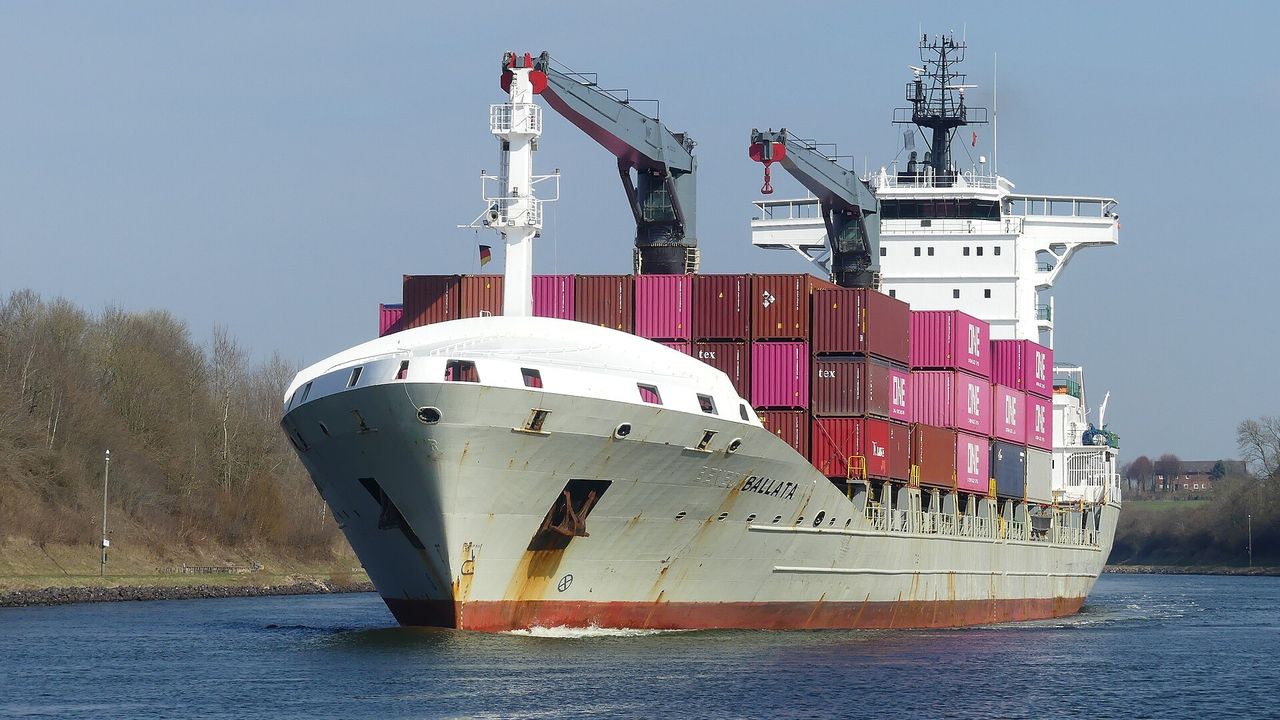
散裝航運市場正在經歷 15 年來最劇烈的供需重組。波羅的海乾散貨指數(BDI)在 9 月 18 日衝上 3,628 點高位,海岬型船舶現貨日租金更一舉突破 5.51 萬美元大關。這場行情的推手並非單純的短期補庫存,而是幾內亞西芒杜鐵礦投產引發的運輸距離倍增效應。全球海運格局正從過去依賴澳洲、巴西的傳統航線,轉向大西洋至亞洲的長航程模式,大幅吸收既有船舶載運容量。這項結構性轉折徹底扭轉了散裝航運以往鮮明的淡旺季規律,使高運價在傳統淡季依然具備強勁支撐力。The dry bulk shipping market is undergoing its most dramatic supply-demand realignment in 15 years. The Baltic Dry Index (BDI) surged to 3,628 on September 18, with Capesize spot charter rates breaking cleanly above $55,100 per day. This rally is not merely a short-term restocking play, but rather the result of a compounding ton-mile effect spurred by the startup of Guinea's Simandou iron ore project. Global maritime trading patterns are shifting away from traditional reliance on Australia and Brazil toward long-haul voyages spanning the Atlantic to Asia, soaking up significant available vessel capacity. This structural pivot has thoroughly overturned the dry bulk sector's historically pronounced seasonality, offering robust support to charter rates even in what has traditionally been an off-peak period.
長航程拉高噸浬需求Long-Haul Routes Drive Ton-Mile Surge
全球散裝船舶週轉效率下降的核心原因,在於大宗原物料供應鏈的地理板塊位移。數據顯示,中國前 7 個月鐵礦砂與鋁礬土進口量分別年增 5.8%與 13%,原料採購重心持續向西非轉移。西非至亞洲的航程距離是澳洲航線的 3 倍以上,這意味著運送相同數量的礦砂,必須配置倍數以上的海岬型船舶。未來隨著幾內亞西芒杜礦區預計於 2027 年貢獻 4,400 萬至 4,500 萬噸鐵礦砂出口量,長運距效應將呈現長期固化態勢。這種以噸浬數為基礎的需求擴張,直接鎖定遠洋主要運力,讓可用船舶供給緊縮的效應在市場加速擴散。The core driver behind declining fleet turnover efficiency lies in the geographic realignment of the bulk commodity supply chain. Data show that China's iron ore and bauxite imports climbed 5.8% and 13% year-over-year, respectively, in the first seven months, with raw material procurement steadily shifting toward West Africa. The sailing distance from West Africa to Asia is more than triple that of the Australian route, meaning transporting an equivalent volume of ore requires a multiple of the Capesize tonnage. As Guinea's Simandou mining district is projected to contribute between 44 million and 45 million metric tons of iron ore exports in 2027, this extended voyage distance will become permanently entrenched. Such ton-mile expansion directly locks up prime ocean-going capacity, accelerating market-wide fleet tightness.
環保法規限縮運力供給Green Mandates Constrain Vessel Supply
在需求維持擴張的同時,供給端的結構性僵固進一步推升租金彈性。國際環保法規日益嚴格,碳強度指標迫使高齡老舊船舶採取減速航行或提前拆解,限制全球船隊在未來 2 年的淨增加速度。這為年輕且具備節能優勢的船隊帶來顯著的溢價空間。以裕民為例,其船隊平均船齡僅 8.13 年,且高達 94%船舶符合法規C級以上標準,在高租金市場中具備更高的調度彈性。裕民 2026 年上半年合併營收已達 89.1 億元、每股盈餘 3.51 元;市場預期全年獲利將上看 61.89 億至 68.71 億元,極有機會挑戰 2008 年以來的營運新高峰。While demand continues to expand, structural rigidities on the supply side are further enhancing rate elasticity. Increasingly stringent international environmental regulations and Carbon Intensity Indicator standards are forcing aging vessels to slow-steam or head to scrap yards prematurely, capping the global fleet's net fleet growth over the next two years. This dynamic confers a pronounced pricing premium on younger, fuel-efficient fleets. U-Ming Marine Transport, for instance, maintains an average fleet age of just 8.13 years, with 94% of its vessels meeting or exceeding regulatory Tier C standards, granting it superior operational flexibility in a tight charter market. U-Ming's consolidated revenue for the first half of 2026 reached NT$8.91 billion, with earnings per share of NT$3.51. Full-year net profit is projected to reach NT$6.189 billion to NT$6.871 billion, positioning the carrier to challenge its highest operational watermark since 2008.
政策干預與實體需求變數Regulatory Interventions and Physical Demand Risks
散裝運價的高檔繁榮並非毫無隱憂,資源輸出國的管制手段與實體需求變化是首要變數。幾內亞政府若對鋁礬土出口祭出更嚴格的配額或附加條件,或是印尼進一步收緊焦煤出口規範,都將即時干擾現有航線佈局,削弱長航程對噸浬數的支撐效果。另一方面,運價長期能否穩居高檔,關鍵仍在中國實體製造體系的吸納能力。儘管船舶供給受限提供下檔保護,但如果終端鋼廠對原料的實質消耗未達預期,市場情緒便難以維持在歷史高位。地緣法規變化與終端拉貨節奏,將是決定運價續航力的 2 大核心牽引力。The lofty rally in dry bulk freight rates is not without vulnerabilities, with sovereign resource export controls and shifting physical demand posing immediate risks. Should the Guinean government impose tighter export quotas or conditionalities on bauxite, or if Indonesia further restricts coking coal exports, established routing schedules could face sudden disruptions, eroding ton-mile support. Concurrently, the longevity of these high charter rates hinges on the real absorption capacity of China's manufacturing base. While constrained vessel supply provides a firm floor, market sentiment cannot remain near historic highs if downstream steelmakers consume less physical ore than expected. Geopolitical trade actions and the cadence of end-market pull-ins remain the two core drivers that will dictate the rally's stamina.
散裝航運市場由單純景氣循環轉變為運輸結構變革的格局已然確立,長航程運具短缺將在中期提供強韌的基本面防線。接下來的觀察重點在於航商新增運力在現貨市場的實際定價水準,以及主要資源出口國在貿易政策上是否出現非經濟性的行政干預。The dry bulk market's transition from a standard cyclical swing to a structural overhaul is now firmly established, with long-haul vessel shortages providing a sturdy fundamental baseline over the medium term. Looking ahead, investors should closely monitor the spot-market pricing power of newly deployed carrier capacity, as well as any non-economic administrative interventions introduced by key resource-exporting nations.
訂閱版全文包含幾內亞西芒杜礦區出貨量時程、裕民船隊獲利預估拆解與原物料政策否證條件。The full subscriber edition includes shipment timelines for Guinea's Simandou project, fleet-level earnings models for U-Ming Transport, and commodities policy falsification criteria.