 AHI Journal
國巨訂單出貨比攀至 2.2 伺服器電容規格翻倍推升稼動率Yageo's Book-to-Bill Ratio Climbs to 2.2 as Server Capacitor Specs Double, Driving Utilization
日韓同業將產能轉向高階AI規格造成標準品缺口,轉單效應與長約鎖定帶動被動元件重回漲價上升軌道。Japanese and South Korean peers divert capacity toward high-end AI tiers, creating shortfalls in standard lines; spillover demand and locked-in LTAs put passive components back on an upward pricing trajectory.

被動元件市場歷經長達 2 年的庫存去化週期,供需結構在第 3 季出現根本性扭轉。最新產業數據顯示,指標龍頭國巨截至第 2 季末的訂單出貨比(B/B Ratio)飆升至 2.2 倍,第 3 季混合產能稼動率確定突破 90%防線。這場結構性復甦的核心導火線並非傳統消費電子的溫和回溫,而是雲端基礎設施全面邁向高階AI運算平台所引發的產能掠奪戰。隨著日韓巨頭將高階產能全力轉向特殊規格,通用型標準品市場出現實質供給真空,帶動被動元件正式邁入以AI規格迭代為驅動引擎的長期調價循環。Following a grueling two-year inventory destocking cycle, the supply-demand balance in passive components underwent a structural reversal in the third quarter. Industry data show market leader Yageo's book-to-bill ratio surged to 2.2 at the end of the second quarter, while blended capacity utilization is set to cross the 90% threshold in the third quarter. The catalyst behind this structural upturn is not a mild recovery in consumer electronics, but an aggressive land grab for manufacturing capacity sparked by cloud infrastructure shifting toward advanced AI computing platforms. As Japanese and South Korean peers reallocate high-end production lines entirely to bespoke AI-grade components, a severe supply vacuum has opened in standard-grade parts, ushering passive components into a sustained pricing upcycle driven by generational AI hardware upgrades.
機櫃電容規格翻倍引發排擠效應Surging Server Capacitance Requirements Crowds Out Standard Lines
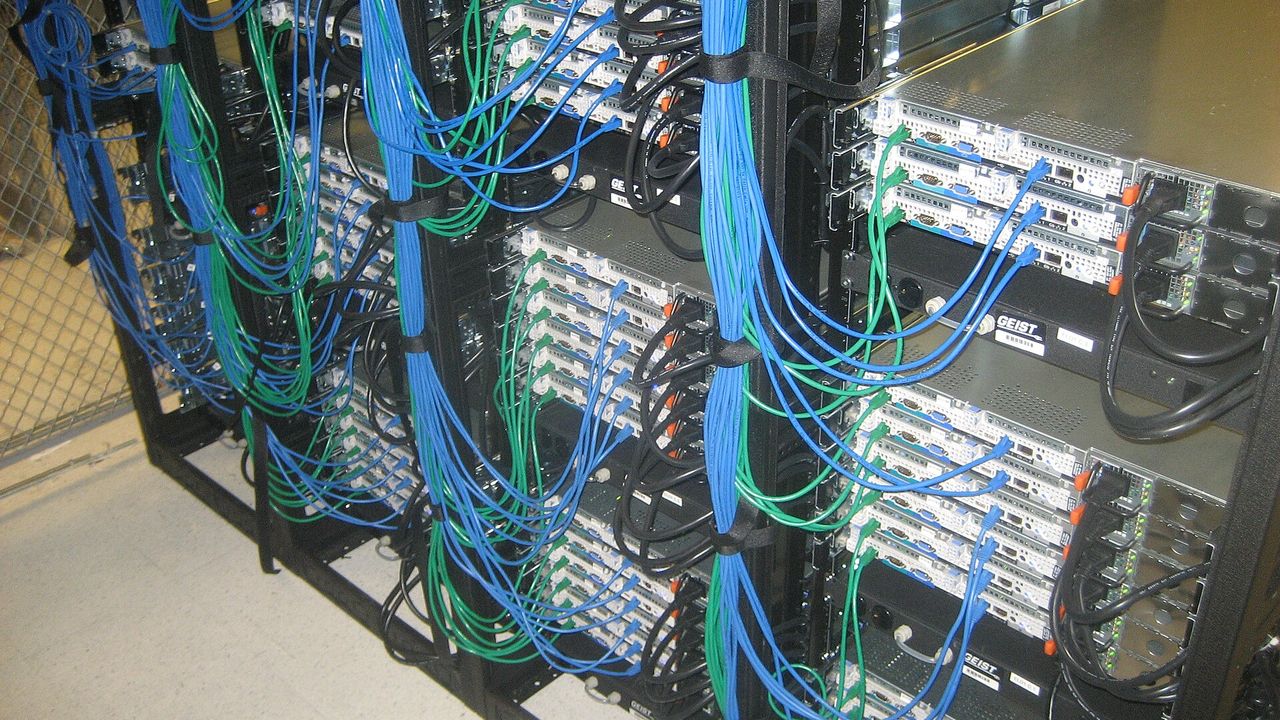
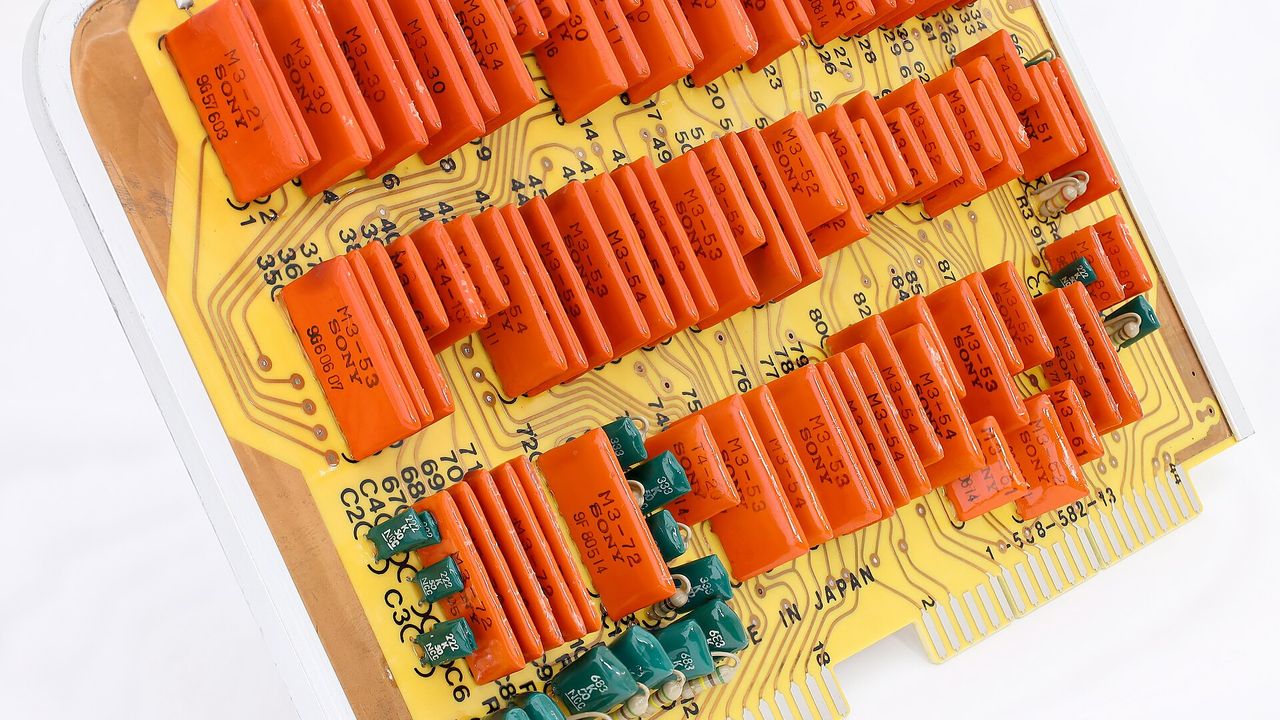
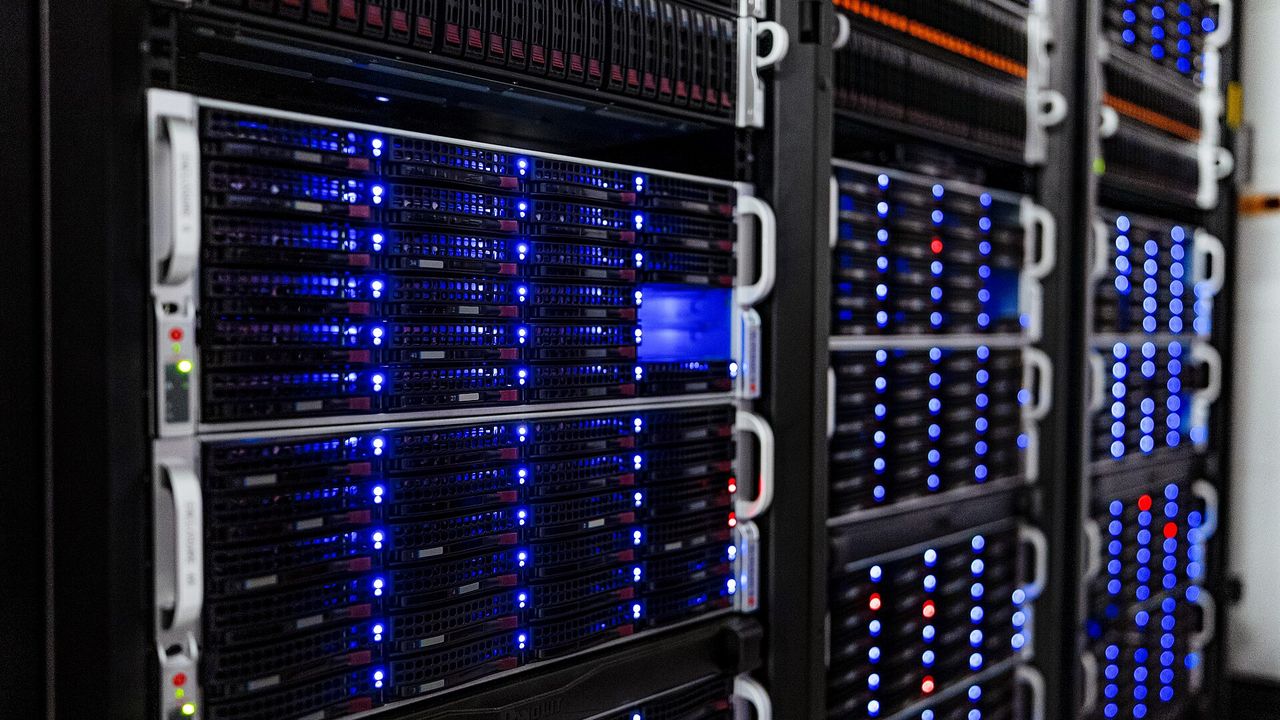
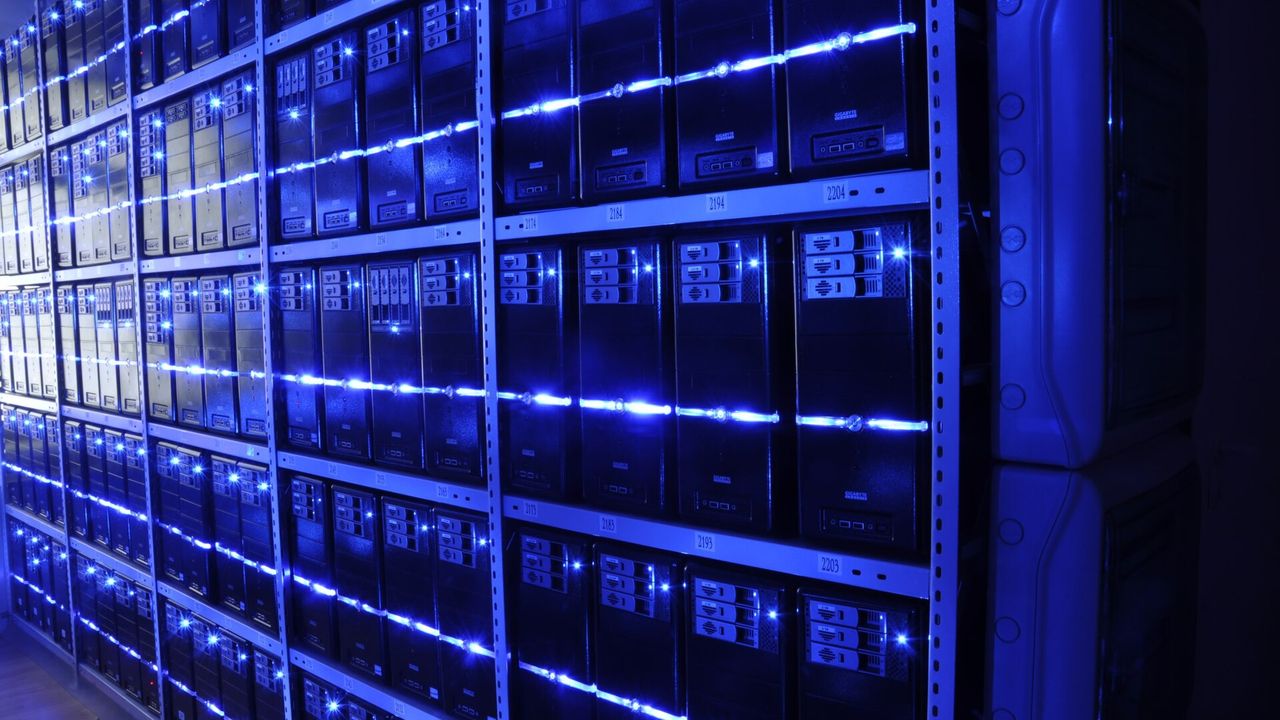
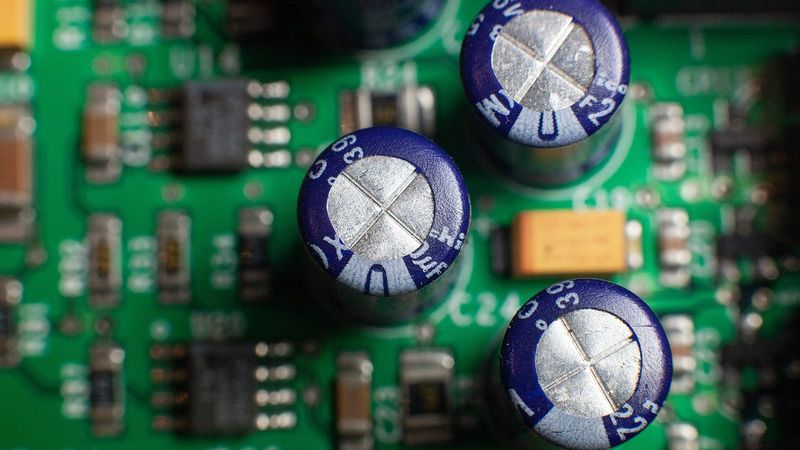
推動此波結構性緊缺的核心動力,來自運算架構對超高容MLCC與鉭質電容消耗量的幾何級數增長。新世代AI機櫃所搭載的高瓦數晶片平台,對抗干擾與高電壓耐受度的要求更為嚴苛,單顆AI高階超高容MLCC所佔用的設備產能,相當於一般規格產品的 3 至 4 倍。日韓同業如村田製作所與太陽誘電,為因應次世代運算平台的龐大電容消耗,將大量關鍵塗佈與燒結產線移轉至高階特殊品。這種嚴重的產能排擠效應,直接導致中高階標準品市場爆發供給缺口,促使全球系統廠的採購外溢訂單迅速湧向台系供應鏈。The primary engine of this structural shortage is an exponential surge in consumption of ultra-high-capacitance MLCCs and tantalum capacitors across high-performance computing architectures. High-wattage silicon powering next-generation AI server racks demands far more stringent noise suppression and high-voltage tolerances; a single advanced, ultra-high-capacitance AI MLCC consumes three to four times the equipment footprint of a standard-grade unit. To satisfy this massive capacitor demand from next-generation compute platforms, Japanese and South Korean rivals such as Murata Manufacturing and Taiyo Yuden have shifted significant coating and sintering capacity to specialized, high-end components. This pronounced crowding-out effect has created an immediate supply deficit in mid-to-high-end standard parts, driving a rapid spillover of procurement orders from global systems integrators straight to Taiwanese suppliers.
長約鎖定產能助長毛利結構優化Long-Term Agreements Lock In Allocations, Underpinning Margins
供需缺口的外溢效果正深度重構終端客戶的採購合約型態。主要雲端服務供應商為防止伺服器整機出貨受制於被動元件斷鏈,紛紛展現洽簽長期供應協議的強烈意願,甚至主動支付報價溢價以鎖定未來數季的產能配額。國巨第 2 季營收達 444.6 億元、毛利率攀升至 38.5%,其中AI相關營收占比已拉升至 16%。隨著新運算平台的電容產值大幅倍增,產業結構性缺口預估將逐年放大。供應端對價格掌握力的強化,帶動MLCC合約價穩步上漲,進一步奠定被動元件製造商毛利率朝高檔邁進的財務基礎。The supply-demand imbalance is fundamentally reshaping customer procurement behavior. Determined to protect full-system server deliveries from passive-component bottlenecks, major cloud service providers are showing an aggressive appetite for long-term supply agreements, even offering pricing premiums to lock down allocation quotas across upcoming quarters. Yageo posted second-quarter revenue of NT$44.46 billion, with gross margin expanding to 38.5% and AI-related business climbing to 16% of total sales. As next-generation computing architectures double the dollar content of capacitors, this structural supply deficit is projected to widen year by year. Strengthened pricing power is steadily lifting MLCC contract prices, solidifying the financial foundation for component makers' gross margins to remain elevated.
成本轉嫁能力考驗同業抗震韌性Cost-Pass-Through Capabilities Test Resilience Across the Peer Group
這波上升循環並非毫無挑戰,原材料行情波動與產能重置節奏是牽動毛利的潛在變數。國際銀價高漲與工業電價調升,持續考驗被動元件業者的成本轉嫁機制。日韓大廠雖自 2026 年第 2 季陸續針對特定電感與電容報價調漲 15%至 40%,但若同業在獲利刺激下加速重啟標準品產能,市場轉單紅利恐遭稀釋。從供應鏈現況觀察,產品線完整度較低且AI伺服器占比偏小的二線廠商,在抵抗原物料上漲時顯得相對吃力,唯有具備完整產品矩陣與高稼動率支撐的龍頭企業,方能在這場產能調整中持續擴大防禦護城河。This expansionary cycle is not without friction; volatile raw-material input costs and capacity-reallocation schedules present latent risks to gross profitability. High global silver prices and hikes in industrial electricity tariffs continue to test suppliers' pricing leverage. While major Japanese and South Korean manufacturers have raised quotes on select inductors and capacitors by 15% to 40% since the second quarter of 2026, margin windfalls could be diluted if competitors respond to fatter spreads by prematurely restarting idled standard-grade capacity. Across the supply chain, second-tier peers with less diversified product portfolios and minimal exposure to AI servers are struggling to absorb upstream cost increases. Only industry leaders commanding broad product suites and sustained high utilization rates can widen their competitive moats through this reallocation cycle.
本刊判斷,被動元件已脫離低階價格競爭,邁入高階規格升級帶動的景氣擴張期。日韓廠商擴產受限於設備交期與良率爬坡,整體吃緊態勢可望延續。接下來市場重點應聚焦於季底營收的動能連續性,以及各廠稼動率能否在傳統淡季維持於相對高檔,作為評估獲利續航力的核心依據。In our view, passive components have graduated from commodity price-cutting into an expansionary phase driven by advanced specification upgrades. With capacity additions at Japanese and South Korean manufacturers constrained by equipment lead times and yield ramps, tight supply conditions should persist. Looking ahead, investors should focus on whether revenue momentum sustains through the end of the quarter, and whether utilization can hold at elevated levels into the seasonal trough, as the primary gauges of earnings durability.
訂閱版全文包含供需缺口逐年預測、產品漲價幅度序列、同業獲利體系比較及 10 月關鍵檢查點。The full subscriber edition includes multi-year supply-demand deficit forecasts, component price-hike trajectories, peer earnings margin comparisons, and critical October milestones.