 AHI Journal
高速光收發模組擴產遭遇光纖線材短缺Optical Transceiver Ramping Hits Fiber-Optic Cable Supply Bottlenecks
資料中心 1.6T與 800G規格全面切換,關鍵雷射晶片與低損耗光纖交期拉長,供應鏈面臨斷鏈考驗。Data centers' full transition to 1.6T and 800G optical specifications lengthened lead times for essential laser chips and low-attenuation optical fiber, exposing the hardware supply chain to severe delivery bottlenecks.
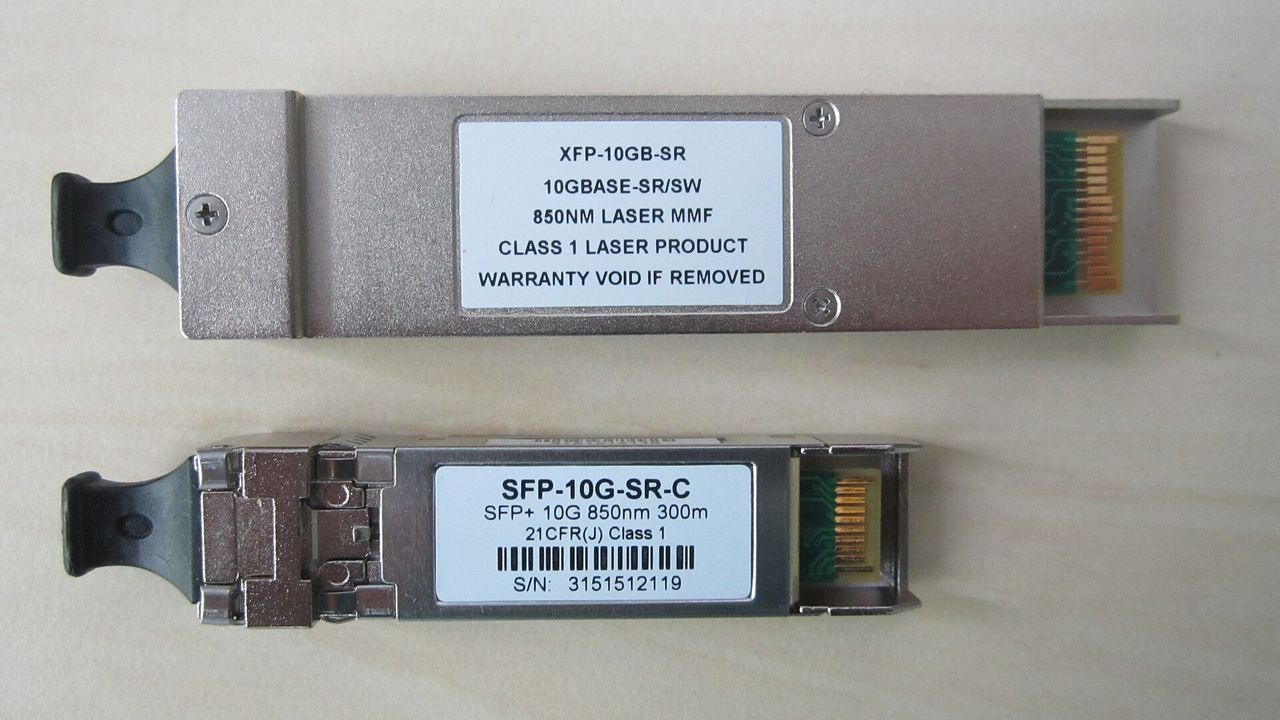
全球資料中心規格加速升級,為光通訊族群推升出極高評價,但實體供應鏈卻正撞上原料斷層的硬牆。歐洲光纖通訊展透露,全球 400G以上高速光收發模組在 2026 年出貨將達 1 億個,2027 年續增 43%至 1.45 億個。然而,在算力需求暴增的背後,底層關鍵材料短缺正在失控,光纖加工廠商產能目前僅能滿足 3 至 4 成客戶需求。資本市場持續將出貨成長曲線視為定局,卻低估了磷化銦晶片與特殊規格光纖線材的交期拉長效應。一旦上游料源無法如期交付,過往由高速運算題材撐起的出貨假設將被迫修正,實體供應鏈缺口正成為光模組產業擴產的最大絆腳石。A rapid architectural upgrade across global data centers has pushed optical communications valuations to multi-year highs, but the physical supply chain is running straight into a raw material bottleneck. Industry data from the European Conference on Optical Communication indicates that global shipments of high-speed optical transceivers of 400G and above will hit 100 million units in 2026, before expanding 43% to 145 million units in 2027. Yet behind this surge in compute demand, shortages of critical upstream materials are intensifying, leaving fiber processing capacity capable of meeting only 30% to 40% of customer orders. While capital markets treat these shipment targets as foregone conclusions, they are underestimating the impact of stretched lead times for indium phosphide chips and specialty fiber cables. If upstream supplies falter, long-standing shipment projections built on the high-performance computing narrative will face downward revisions, with physical supply constraints emerging as the primary bottleneck to industry expansion.
需求狂飆與備料缺口嚴重脫節Surging Demand Clashes With Critical Material Deficits
市場對光通訊族群的高估值,建立在超大規模資料中心的建置節奏上。2026 年 400G以上光模組需求年增率預計高達 80%,到 2027 年更將維持 43%的擴張力道,其中最先進的 1.6T規格在 2027 年的出貨占比預計迅速跳升至 38%。但在亮麗數字之下,光纖加工業者手握訂單能見度雖延伸至 2027 年第 4 季,實體產能卻陷入嚴重短缺,僅能供應 3 到 4 成需求。供應鏈甚至必須透過緊急私募籌集逾 2.4 億元資金,只為提前鎖定原料配額,顯示關鍵物料供應吃緊的程度遠超外界預期,下游強勁需求與上游供給已出現實質斷裂。The elevated valuations in optical communications are predicated on aggressive hyperscale data center deployment schedules. Demand for optical modules of 400G and above is projected to surge 80% year-over-year in 2026 and expand another 43% in 2027, with the flagship 1.6T standard expected to account for 38% of shipments by 2027. Yet despite order visibility stretching into the fourth quarter of 2027, fiber processing vendors are grappling with acute capacity shortfalls, able to satisfy only 30% to 40% of order volume. Supply chain players have even had to tap emergency private placements to raise over NT$240 million simply to lock down upstream material allocations, underscoring that critical component shortages are far more severe than the market assumes.
規格升級限縮合格零組件供應商Spec Upgrades Shrink the Qualified Supplier Base
先前市場普遍認定傳輸技術演進的瓶頸在於共封裝光學的主動對準良率,現實中引發即時危機的卻是傳統可插拔模組面臨物理性斷料。當傳輸速率跨入 800G與 1.6T世代,光纖線材必須全面改用低損耗特種線材,且石英振盪器基準頻點直接由 156MHz跳升至 312MHz。規格門檻大幅拉高,使具備量產與認證資格的合格供應商驟降至個位數。這種結構性瓶頸意味著,即使模組組裝廠手握雲端巨頭的海量訂單,只要缺乏關鍵元件就無法完成組裝,產業從「產能競爭」演變成殘酷的「搶料保衛戰」。While investors previously assumed the technological bottleneck lay in active alignment yields for co-packaged optics, the immediate threat is a physical component shortfall across conventional pluggable modules. As transmission speeds step up to 800G and 1.6T, systems require ultra-low-loss specialty fiber cabling, while crystal oscillator reference frequencies jump from 156 MHz directly to 312 MHz. These elevated performance thresholds have narrowed the roster of certified suppliers capable of mass production to the single digits. This structural bottleneck means that even with deep order books from hyperscalers, module assemblers cannot deliver finished products without critical components, shifting industry dynamics from capacity competition into a scramble for raw materials.
擴產時滯恐將侵蝕模組組裝獲利Expansion Lags Threaten Transceiver Assembly Margins
樂觀觀點寄望上游晶圓磊晶廠積極引進新世代機台擴產,以化解基板供應不足的困局。然而,半導體製造與光通訊材料的物理限制無法一蹴可幾,昂貴設備從進駐廠區、完成調校到通過客戶嚴格認證並實現穩定良率,通常需要 2 至 3 個季度的漫長週期。這意味著在 2027 年上半年之前,材料短缺的矛盾根本無法徹底化解。在此過渡期內,模組組裝業者不僅面臨出貨遞延導致的營收轉換率下滑,更必須付出高昂溢價搶購上游現貨,原料成本急遽攀升勢必壓縮毛利空間,獲利表現將面臨嚴苛考驗。Optimists expect upstream wafer epi foundries to resolve substrate shortages by bringing next-generation equipment online. Yet the physics of semiconductor manufacturing and optical materials cannot be bypassed: the capital equipment required typically demands two to three quarters to install, calibrate, clear customer certification, and reach commercial yields. As a result, material shortages are unlikely to see meaningful relief before the first half of 2027. In the interim, module assemblers face lower revenue conversion from delivery delays while being forced to pay steep premiums to secure spot materials, putting severe pressure on gross margins and overall profitability.
光通訊模組板塊的估值已提前透支成長紅利,但實體材料瓶頸正將市場帶回現實。本刊判斷,光收發模組產業將迎來出貨節奏與營收轉換率的重新校準。接下來的觀察重點在於,組裝廠公布的月度營收動能是否出現放緩跡象以印證缺料衝擊,以及上游關鍵零組件的高昂成本,能否成功轉嫁至次世代高階模組的終端代工報價。Valuations across the optical transceiver sector have aggressively front-run growth projections, but physical material constraints are forcing a reckoning. AHI Journal expects shipments and revenue conversion rates across the optical module complex to undergo a period of recalibration. Going forward, investors should watch for any deceleration in monthly assembly revenues as evidence of supply bottlenecks, while tracking whether manufacturers can pass elevated component costs through into pricing for next-generation modules.
訂閱版提供上游關鍵材料供需缺口測算、模組代工報價追蹤,與出貨受阻之否證門檻。The subscriber edition details upstream raw material supply-demand balance sheets, transceiver assembly quote trackers, and analytical tripwires signaling prolonged shipment delays.