 AHI Journal
關鍵對手品質瑕疵退出,旺矽壟斷次世代算力探針卡份額Rival Yield Failure Leaves MPI With Near-Monopoly on Next-Gen Probe Cards
台系同業良率失誤打破雙供應商制衡,旺矽 2027 年產能直指 850 萬針;當高階晶圓測試成為先進製程擴產的實體限制,漲價能力正發生長期單向轉移。A quality lapse by a domestic competitor broke the dual-sourcing balance, clearing the path for MPI to target 8.5 million monthly pins by 2027 as wafer test bottlenecks hand suppliers unilateral pricing power.
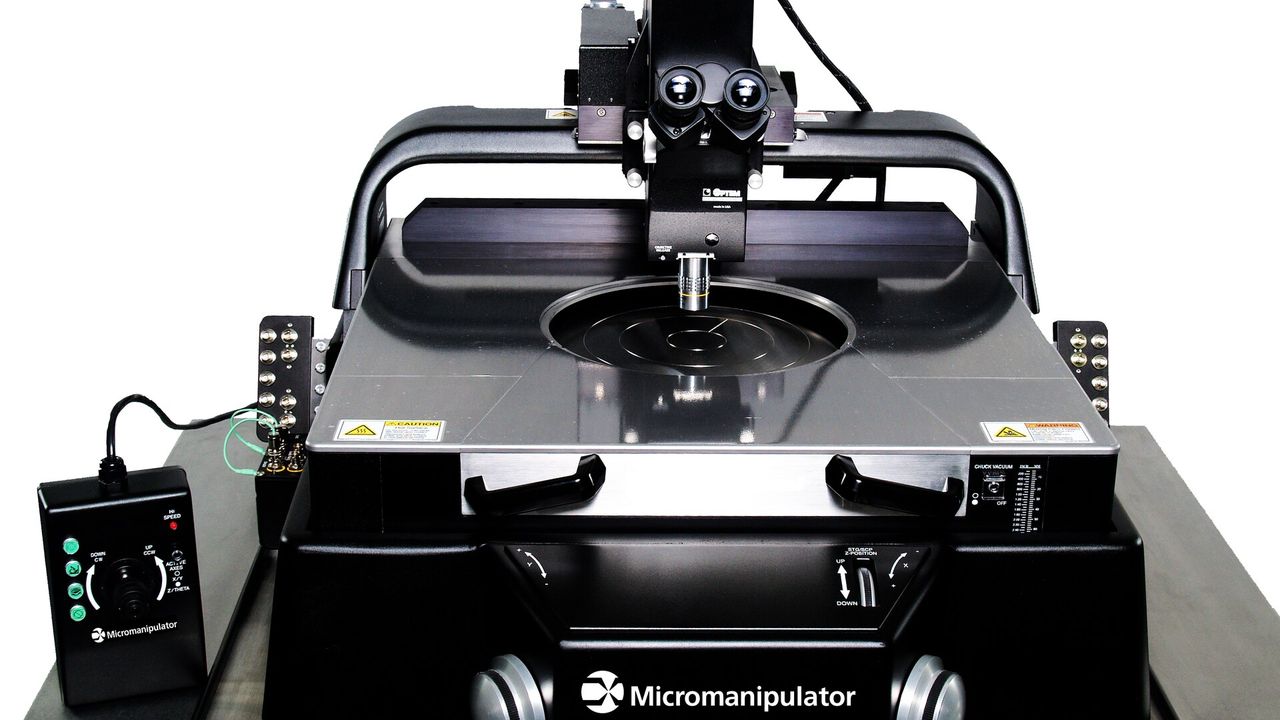
全球晶圓代工龍頭正全力擴增每月 15 萬片先進製程產能,但半導體測試介面卻在此刻打破了長年維持的雙供應商平衡。過去由頂級算力晶片客戶嚴格制衡的生態系,因主要台系同業在Vera CPU專案爆發關鍵品質瑕疵而驟然瓦解。該競業原本握有的 70%供應份額直接歸零,流失的訂單全數由旺矽承接。這起製程失誤不僅是一次單一季度的轉單事件,更暴露出高階微懸臂梁探針卡在微米級物理極限下極端嚴苛的製造門檻。當測試介面從常規零組件轉變為先進製程擴產的實體瓶頸,產業鏈的定價權與技術話語權,正發生不可逆的單向轉移。The world's preeminent foundry is aggressively building toward 150,000 wafers per month in advanced-node capacity, but the delicate dual-sourcing equilibrium that long governed its semiconductor test interfaces has suddenly collapsed. That ecosystem—strictly balanced by premier compute-silicon customers—unraveled after a key Taiwanese competitor suffered critical manufacturing defects in its Vera CPU project. The rival's 70% supply share was immediately zeroed out, and the displaced volume shifted entirely to MPI. This manufacturing misstep was not merely a one-quarter volume reallocation; it laid bare the unforgiving fabrication barriers of high-end MEMS vertical probe cards operating at micron-level physical limits. As test hardware transforms from a routine component into a physical bottleneck for advanced-node expansion, pricing leverage and technical authority across the supply chain are undergoing an irreversible, one-way migration.
製程失誤破制衡 獨攬次世代測試份額Fabrication Misstep Breaks Equilibrium, Securing Next-Gen Probe Card Monopoly
在先進算力晶片的開發節奏中,任何微小的製造公差都足以摧毀整體封裝良率。同業在關鍵專案上的品管失誤,讓客戶迅速修正了過往分散風險的採購策略,將產能安全置於成本制衡之上。這項決策直接確立了旺矽的壟斷態勢,使其不僅完整吞下現行世代TB500 探針卡的全部供應量,更順理成章提前鎖定次世代TB600 的獨家供應商資格。由於微懸臂梁探針卡涉及極其複雜的材料力學與微影製程,一旦技術路徑建立量產規模,後進者或失誤者極難在短時間內縮短差距。雙供應商架構的瓦解,實質上清空了高階市場的競爭雜音。At the developmental cadence of cutting-edge compute silicon, even the faintest manufacturing tolerance failure can obliterate entire packaging yields. A competitor's quality control collapse on a flagship program prompted customers to swiftly discard their risk-diversifying, dual-source procurement model, elevating capacity security far above cost balancing. This decision cemented MPI's monopoly, allowing it to absorb 100% of current-generation TB500 probe card orders while locking in exclusive sole-source qualification for the next-generation TB600. Because MEMS vertical probe cards entail extraordinarily intricate structural mechanics and photolithography, latecomers and faltering incumbents face immense difficulty closing the gap once a technology trajectory achieves high-volume manufacturing scale. The breakdown of the dual-vendor architecture has effectively extinguished competitive noise at the high end.
網通規格全面升級 擴產直指 800 萬針Networking Specs Advance Across the Board as Capacity Aims for 8.5 Million Pins
賣方共識對旺矽 2027 年獲利預期的低估幅度約達 30%,其盲區主要在於忽略了高速傳輸與算力核心的共振效應。市場過去僅聚焦於圖形處理器本身,卻忽視了Mellanox高速網路架構的迭代速度。旺矽目前在ConnectX與QuantumX兩大旗艦系列中,同步拿下了絕大部分探針卡訂單。為了因應算力晶片與高速交換器晶片的雙重爆發性需求,公司已大幅調高資本支出步調,將 2027 年底的月針數產能目標上修至 850 萬針。這項規模不僅拉開了與追趕者的實體產能代差,更構建出極高的產能調度彈性,使潛在競業難以在單一規格展開反攻。Sell-side consensus is underestimating MPI's 2027 earnings outlook by roughly 30%, largely because analysts overlook the resonance between high-speed interconnects and raw compute cores. The market historically focused solely on GPUs, ignoring the generational churn across Mellanox high-speed networking architectures. MPI has now captured the vast majority of probe card business across both the ConnectX and QuantumX flagship product lines. To meet compounding demand across compute silicon and high-speed networking switch silicon, the company accelerated its capital expenditures, revising its target monthly pin capacity to 8.5 million pins by year-end 2027. This scale not only opens a physical capacity chasm against pursuers, but also provides unmatched scheduling flexibility that leaves potential rivals little room to mount targeted counterattacks.
光學封裝重塑單價 獲利槓桿全面放大Co-Packaged Optics Reshapes ASPs, Amplifying Operating Leverage
探針卡產業的價值躍升並未止步於微懸臂梁,共同封裝光學(CPO)技術的推進,正在引爆另一波測試單價的重組。旺矽目前已在晶圓代工巨頭端展開完整的CPO機台與探針卡系統驗證,為光學引擎的高密度測試預作準備。由於光電共封裝具備不可拆卸的物理特性,測試介面的容錯率直接降為零,驅使單位測試單價呈現倍數增長。當這類高階光學測試於 2027 年進入全面放量階段,公司單股獲利能力展現出從 175 元大幅躍升至 206 元的結構性爆發力。相較之下,競爭對手即便嘗試建立 2 代測試機台,也受制於失去的信任而難以縮小營運鴻溝。The probe card sector's value inflection does not stop at micro-cantilevers; the advance of co-packaged optics (CPO) is unleashing another dramatic upward re-pricing of unit test costs. MPI is already undergoing full CPO equipment and probe card system qualification at the leading foundry, laying the groundwork for high-density testing of optical engines. Because optoelectronic co-packaging creates an unrepairable assembly, interface fault tolerance drops to zero, driving unit test ASPs higher by multiples. When these high-end optical test solutions ramp into broad mass production in 2027, the company's earnings per share are positioned for a structural breakout from 175 yuan to 206 yuan. By contrast, competitors attempting to roll out second-generation test hardware remain hobbled by lost customer trust, leaving them unable to close the operational divide.
本刊判斷,半導體測試介面的產業秩序已出現結構性轉折,高階探針卡正從支援性耗材晉升為寡佔戰略物資。後續核心觀察點在於對手於特定季度完成最後合約後的重整動態,以及晶圓代工端在更先進製程測試合約的排他性釋出節奏。只要極限公差的技術斷層未能弭平,單一贏家通吃的供應鏈定局便難以逆轉。We judge that the industrial order in semiconductor test interfaces has reached a structural turning point, with high-end probe cards graduating from supporting consumables to oligopolistic strategic assets. Key developments to monitor include how the rival regroups after fulfilling its final contract commitments in a specified quarter, alongside the cadence of exclusive advanced-node test allocations from leading foundries. As long as the technological divide in extreme tolerances remains unbridged, this winner-take-all supply chain reality will prove difficult to reverse.
訂閱版解析旺矽 2027 年產能擴充序列、CPO測試單價敏感度模型與競業產線重組檢查點。The subscriber edition breaks down MPI's 2027 capacity expansion timeline, a CPO test ASP sensitivity model, and key monitoring checkpoints for competitor fab line reorganizations.