 AHI Journal
美對台 301 調查基準稅率估 15% 電子業獲 232 保護而傳產相對日韓具韌性US Section 301 Probe Benchmark Pegged at 15% as Tech Enjoys Section 232 Shield and Outperforms Peers
華府智庫促區分市場盟友,台灣在強迫勞動調查獲 10%稅率優於日韓,美國製造門檻推升在地化供應鏈布局Washington think tanks urge differentiation of market allies; Taiwan secures a 10% rate in forced labor inquiries, beating Japan and South Korea as local manufacturing thresholds lift domestic supply chains.
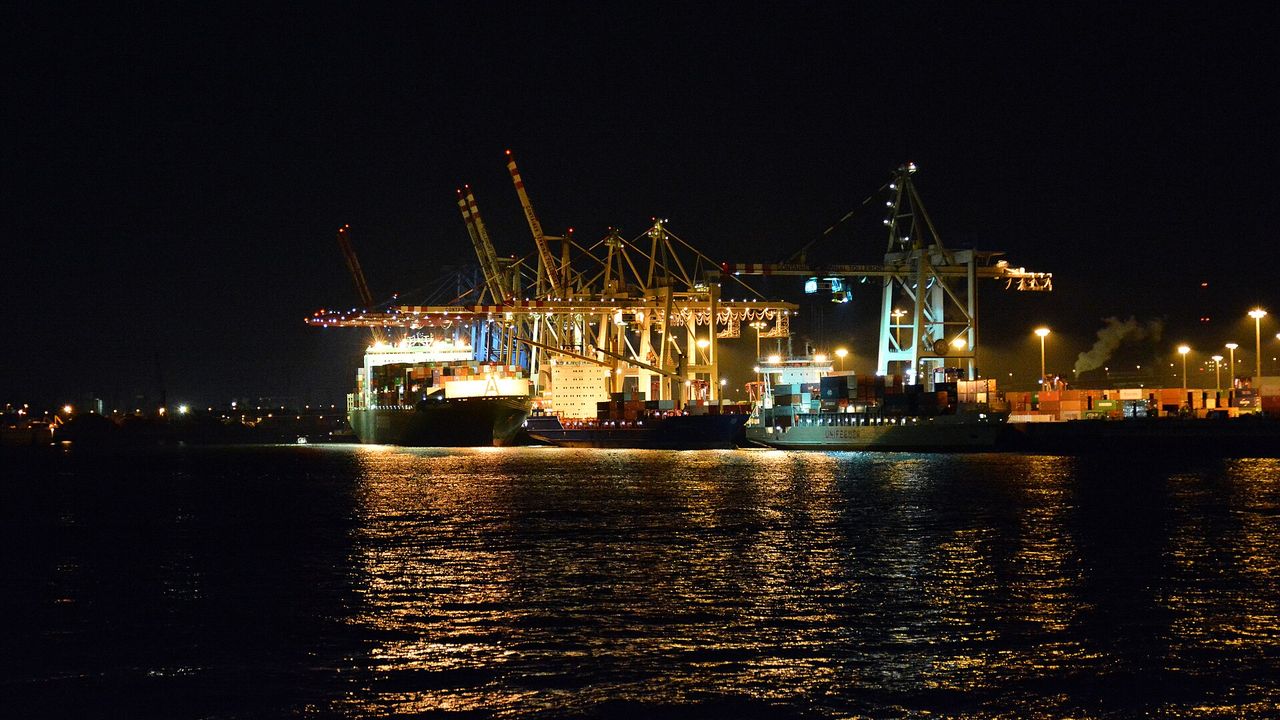
美國對台灣產能過剩發起的 301 調查即將於第 4 季揭曉,基準預估總稅率將落在 15%左右。這場看似嚴厲的貿易審查,根源於台灣對美貿易順差從 2024 年的 737 億美元近乎翻倍至 2025 年的 1,468 億美元,進而引發華府警覺。然而,當前市場情緒對貿易制裁的恐慌已出現實質降級。關鍵在於這筆激增的順差結構中,高達 70%至 80%高度集中在AI伺服器與高階晶片,不僅受到美國 232 條款實質豁免保護,更牽動美方本土科技巨頭的核心利益,使全面性的懲罰性關稅在物理層面難以執行,地緣經濟博弈的焦點正悄然轉移。The findings of the U.S. Section 301 investigation into alleged industrial overcapacity in Taiwan are slated for release in the fourth quarter, with base-case expectations pricing in an aggregate tariff rate near 15%. This trade scrutiny follows a dramatic widening of Taiwan's bilateral trade surplus with the U.S., which nearly doubled from US$73.7 billion in 2024 to US$146.8 billion in 2025, triggering alarm bells in Washington. However, market anxiety over punitive trade measures has materially cooled. The key lies in the composition of this burgeoning surplus: between 70% and 80% is heavily concentrated in AI servers and advanced semiconductors. These components are largely insulated by de facto Section 232 exemptions and closely aligned with the strategic interests of U.S. tech giants, rendering broad-based punitive tariffs practically unworkable and subtly shifting the terms of the geo-economic standoff.
高階科技依賴弱化全面關稅衝擊Tech Interdependence Blunts Comprehensive Tariffs
台灣出口結構當前呈現極度集中態勢,資通訊產品佔整體出口高達 44%,電子零組件則佔 35%。這種產業特性意味著華府若對台灣科技硬體施加沉重關稅,實質上將直接推升美國本土建置人工智慧基礎設施的建置成本。華府智庫在近期聽證會上直言,行政部門必須將實質的戰略夥伴與非市場經濟體嚴格區分,避免通用型關稅措施延誤美國本土科技產業的競爭力。在半導體先進製程與高端資通訊設備具備不可替代性的現實下,美方針對台灣產能過剩的指控,難以撼動核心電子製造業的獲利根基,反而促使高科技豁免機制在法理層面更加清晰。Taiwan's export profile remains exceptionally concentrated, with information and communications technology (ICT) hardware accounting for 44% of total outbound shipments and electronic components making up another 35%. This high concentration means any sweeping punitive tariffs levied by Washington on Taiwanese hardware would directly inflate the capital costs of building domestic U.S. artificial intelligence infrastructure. In recent public hearings, Washington think tanks urged policymakers to draw sharp distinctions between strategic democratic allies and non-market economies, warning that blanket tariffs would ultimately impair the competitiveness of the American tech sector. Given the near-total lack of substitutes for advanced semiconductor nodes and high-end server assemblies, overcapacity allegations are unlikely to dent the earnings fundamentals of core electronics manufacturers, serving instead to formalize high-tech exemption frameworks under U.S. law.
傳產獲關稅折讓優於日韓同業競爭Traditional Sectors Retain Tariff Edge Over Peers
相較於科技業的豁免保護,傳統產業在關稅重組過程中展現出意料之外的韌性。在先前 7 月份公布的 301 調查項目中,台灣最終獲判 10%稅率,不僅未與最惠國待遇稅率疊加,更顯著低於日本與南韓的 12.5%。這項差距使台灣塑化與材料供應商在美洲市場獲得約 2.5%的相對成本優勢,開始在泛用型利差遭壓縮的環境下展開轉單替代。與此同時,包括氟素樹脂材料與晶圓加工耗材等關鍵零組件業者,已藉由直接赴美建廠深化在地化供應鏈布局,將外部關稅壁壘轉化為鞏固北美市場市佔率的戰略契機,強化了整體製造業的防禦厚度。While advanced tech enjoys de facto tariff immunity, Taiwan's traditional industrial sectors have demonstrated unexpected resilience amid the trade realignments. In the initial Section 301 determinations handed down in July, Taiwanese exporters secured a 10% duty rate that was not stacked on top of most-favored-nation (MFN) tariffs—noticeably lower than the 12.5% applied to rivals in Japan and South Korea. This 2.5-percentage-point spread grants Taiwanese petrochemical and materials suppliers a relative cost advantage across the Americas, sparking opportunistic order-diversion gains even as baseline commodity spreads remain compressed. Simultaneously, critical sub-tier suppliers of fluororesin compounds and wafer-processing consumables have broadened direct capital investments in U.S. manufacturing sites, turning external tariff barriers into a strategic lever to consolidate North American market share and thickening manufacturing defenses.
成熟製程與封測面臨潛在遷徙壓力Mature Nodes and OSAT Face Relocation Pressures
儘管基準情境相對受控,供應鏈仍須戒備極端政治氣候帶來的尾部風險。倘若美國大選後政策走向趨於激進,將課稅範疇由一般商品擴大至成熟製程晶片,成熟晶圓代工體系的銷美關稅成本恐將驟增 15%至 25%,屆時將逼迫晶片供應商展開高昂且耗時的跨國產能遷徙。此外,調查範圍是否進一步蔓延至非先進封裝測試領域,亦是半導體中下游面臨的潛在隱憂。一旦傳統封測被認定屬於過剩產能清單,相關業者在北美市場的營收表現將承受折價壓力,形成科技硬體產業鏈內部先進與成熟製程兩極分化的現實考驗。Despite a manageable base case, supply chains must guard against tail-risk scenarios stemming from a more volatile post-election political climate in Washington. Should post-election policy pivot aggressively to expand tariff boundaries from finished end-use goods to mature semiconductor nodes, the tariff burden on U.S.-bound legacy foundry exports could surge by 15% to 25%, forcing chip suppliers into expensive and drawn-out cross-border capacity shifts. Furthermore, uncertainty lingers over whether the investigative scope will broaden to encompass conventional outsourced semiconductor assembly and test (OSAT) operations. If legacy packaging and testing services are placed on the overcapacity register, vendors exposed to the North American market will face margin compression, accelerating a sharp operational bifurcation between advanced and mature nodes across the tech hardware landscape.
本刊判斷,美對台 301 調查的實質威脅已由全面風暴轉向結構性分化。半導體核心資產與高階伺服器享有實質防護罩,傳產亦具備區域相對優勢。接下來觀察重點在於雙邊經貿協定最終定案時對豁免範圍的法制化確認,以及關稅清單是否由整機與晶圓製造外溢至封裝測試領域。In our view, the tangible threat posed by the U.S. Section 301 probe has transformed from a systemic headwind into structural tiering. Core semiconductor assets and enterprise AI servers remain protected by strategic economic moats, while select legacy industrial exporters retain a regional cost edge over Asian peers. Key signposts ahead include the legal codification of product-level exemptions in finalized bilateral economic agreements and whether tariff definitions spill over from full system assemblies and front-end fabrication into downstream packaging and testing lines.
全文詳細拆解情境機率矩陣、各產業稅率衝擊比較表,並列出美台協定進展與封測調查擴大的檢查點。The full analysis details scenario probability matrices and sector-by-sector tariff sensitivity tables, alongside monitoring checkpoints for the U.S.-Taiwan trade agreement and expanding OSAT inquiries.