 AHI Journal
信驊第 4 季營益率指引突破 54% 散熱與導軌高估值面臨放量驗證期Aspeed Fourth-Quarter Operating Margin Guidance Tops 54% as Cooling and Rail Multiples Face Ramp Checks
伺服器管理晶片單季獲利挑戰歷史新高,富世達與奇鋐評價推升至高檔,第 4 季產能爬坡進度成為否證關鍵Server management chip quarterly earnings test record highs, lifting valuations for Fositek and CCI to cycle peaks where fourth-quarter volume ramps serve as key falsification markers.
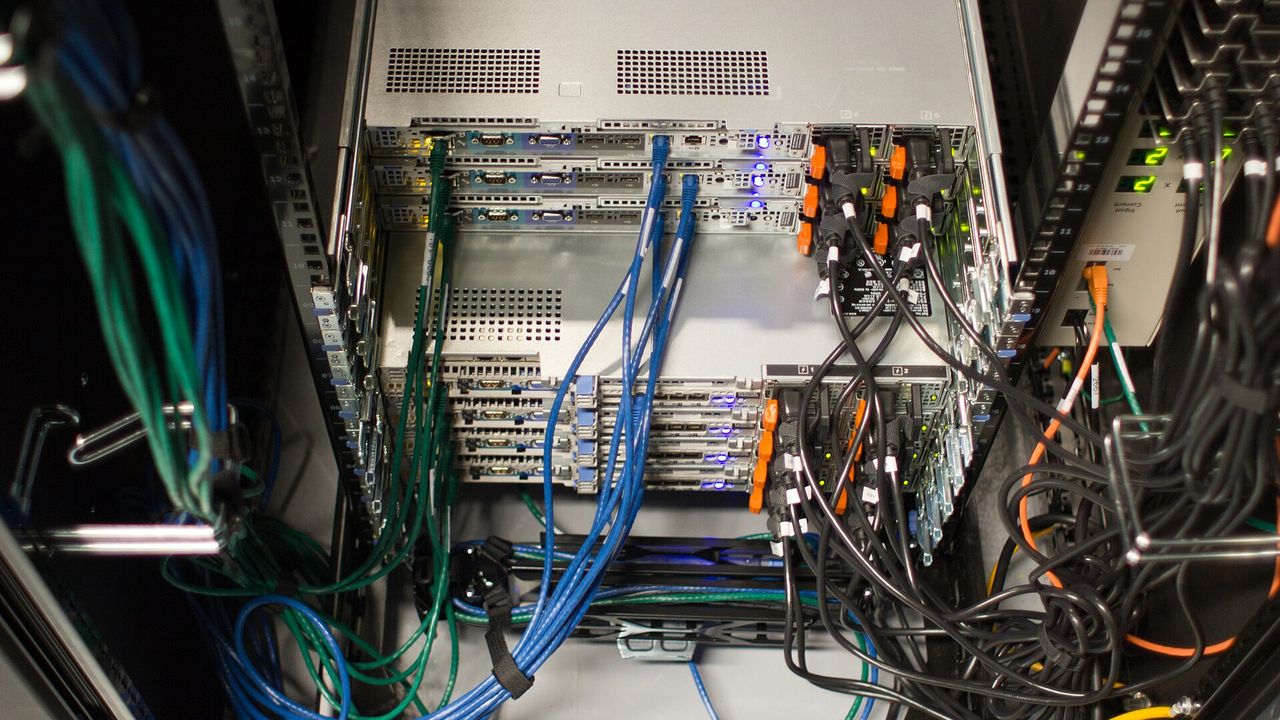
伺服器遠端管理晶片龍頭信驊獲調升第 4 季財測,預估單季營收達 67.2 億元、營業利益率衝上 54.2%、每股盈餘上看 78.62 元,為整體AI硬體供應鏈立下嚴苛標竿。這項指標的重要性在於,當上游晶片維持極高毛利並展現穩健能見度時,下游的散熱模組與伺服器滑軌族群,股價卻早已提前反映未來 2 年以上的倍數成長。在整體市場指數居高、籌碼槓桿攀升的環境下,市場評價正從樂觀預期轉入實質產能驗證期。第 4 季任何微小的量產延誤,都將對高估值個股帶來劇烈收縮的壓力。Leading server baseboard management controller (BMC) supplier ASPEED Technology has seen its fourth-quarter guidance revised upward, with revenue projected to reach NT$6.72 billion, operating margins forecast at 54.2%, and quarterly earnings per share pegged at NT$78.62—setting a formidable operational benchmark for the broader AI hardware supply chain. The strategic significance of this print lies in its stark contrast: while upstream silicon providers sustain exceptional gross margins backed by resilient order visibility, downstream segments such as thermal cooling modules and server slide rails have already seen valuations run ahead, pricing in multi-year hypergrowth. In an equity market hovering near historical highs alongside elevated margin debt, valuation multiples are transitioning from speculative euphoria to rigorous capacity and execution testing. Any fourth-quarter production slip risks triggering a sharp multiple contraction across elevated names.
獲利預期分化凸顯高毛利韌性Margin Resilience Highlights Upstream Defensibility
信驊受惠於一般伺服器換機需求回暖,加上人工智慧伺服器對管理晶片顆數配置倍增,第 3 季營收調升至 49 億元,季增率達 26.6%,毛利率穩固在 68%的高水準區間。高毛利的軟硬體整合架構,使晶片端在獲利兌現上具備極高確定性,確立了基本面的安全邊際。然而,不同於晶片設計端的高純度毛利表現,下游機構件與散熱領域正面臨定價過度延伸的挑戰。市場對零組件廠商在未來數年的獲利預估差距急遽擴大,反映出投資人在熱絡氣氛下,往往忽視了硬體量產過程中必須克服的執行阻力。ASPEED's momentum stems from a dual tailwind: a cyclical recovery in general-purpose enterprise server replacements combined with a doubling of BMC content per rack in accelerated computing platforms. Third-quarter revenue rose to NT$4.9 billion, marking a 26.6% sequential advance, while gross margins held firm at an elite 68%. This proprietary hardware-firmware integration grants chip-level suppliers exceptional earnings visibility, anchoring a deep fundamental safety margin. In contrast to this high-purity margin profile, downstream mechanical component and thermal cooling vendors face increasingly stretched valuations. A widening dispersion in consensus earnings forecasts for sub-tier component makers over the coming years suggests that optimistic investors are underestimating the operational hurdles inherent in physical hardware ramp-ups.
機構件與散熱承載過度樂觀定價Thermal and Mechanical Names Carry Lofty Pricing
市場對富世達與奇鋐等業者的評價推升,主要建立在水冷板與冷卻液分配單元等新規格的量產假設上。法人機構對富世達未來的獲利推估最大落差接近 4 成,奇鋐的預估區間亦呈現顯著發散,這意味著當前股價隱含了第 4 季產能必須達到超高良率、且無縫放量的嚴苛前提。然而,水冷架構由傳統氣冷轉向複雜管線與垂直供電設計,其浸沒測試與公差精度要求遠超以往。若關鍵材料與加工設備交期稍有延誤,放量節奏勢必受到壓制,使得原先設定的高速成長時程面臨重新校準的風險。Rich market valuations assigned to downstream players such as Fuseda and AVC rest squarely on aggressive execution assumptions surrounding the volume rollout of liquid cooling hardware, including cold plates and coolant distribution units (CDUs). Institutional earnings estimates for Fuseda exhibit a high-to-low variance approaching 40%, alongside similarly divergent projections for AVC. This implies that prevailing share prices assume near-flawless fourth-quarter yield ramps and frictionless production scale. However, shifting from conventional air cooling to complex liquid loops and vertical power delivery architectures involves stringent immersion testing and mechanical tolerance specifications far exceeding historical norms. Any delivery lag in specialized raw materials or precision tooling will choke delivery cadences, forcing a downward recalibration of aggressive growth assumptions.
籌碼高檔鈍化放大放量驗證風險Elevated Margin Balances Amplify Ramp Risks
供應鏈面臨的物理限制正在考驗廠商的製造極限,先進運算平台對零組件精密度的嚴格要求,使得新技術的學習曲線遠比市場預期更為陡峭。在此同時,散熱與機殼族群的籌碼集中度已在高檔浮現鈍化訊號。在全市場融資餘額攀升至 5,940 億元的高警戒水位下,提早透支遠期獲利的硬體個股,股價容錯空間已被壓縮至極致。一旦零組件廠商在第 4 季初期的營收動能無法展現連續且強勁的月增長,支撐當前估值的量產論述將受到嚴格拷問,並極易誘發機構法人的獲利了結賣壓。Physical manufacturing constraints are testing the operational limits of hardware suppliers, as precision thresholds for next-generation computing racks prove to have a much steeper learning curve than consensus models anticipate. Simultaneously, technical momentum in thermal and chassis counters is showing signs of exhaustion at high watermarks. With total margin financing across the broader Taiwan market elevated at an alert-level NT$594 billion, the margin for error for hardware stocks that have brought forward distant cash flows has vanished. Should monthly top-line prints fail to deliver robust, sequential acceleration entering the fourth quarter, the production narratives supporting these high-beta multiples will face severe institutional skepticism, leaving shares vulnerable to aggressive profit-taking.
本刊判斷,伺服器供應鏈已進入純粹由實質放量主導的檢驗階段,單憑規格升級題材已難以支撐高檔倍數。接下來應密切觀察一般伺服器的實際拉貨動能是否如期擴散,以及散熱與機構件指標廠在第 4 季產能爬坡期間的毛利率變化方向,以此確認量產良率是否足以支撐當前估值架構。In our view, the server supply chain has entered a phase where equity performance will be dictated strictly by volume manufacturing execution; speculative hardware redesign themes can no longer support stretched valuation multiples. Going forward, the market must track whether procurement momentum for general-purpose servers broadens on schedule, alongside gross margin trends at bellwether thermal and mechanical suppliers during the fourth-quarter capacity ramp, to verify whether production yields can justify current multiples.
訂閱版深度解析散熱與導軌鏈獲利差距表、零組件良率爬坡追蹤,以及自結毛利未達標之估值修正門檻。The subscriber edition breaks down earnings divergence models across thermal and slide-rail supply chains, tracks yield ramp curves, and identifies valuation cut thresholds tied to gross-margin misses.