 AHI Journal
AI伺服器Rubin單板消耗萬顆MLCC 村田轉單效應推動國巨調漲報價AI Server Rubin Boards Consume 10,000 MLCCs, Spurring Murata Spillovers and Yageo Price Hikes
輝達新平台帶動高容值高規格元件倍數擴張,日系原廠產能轉移釋出非蘋份額,法人對國巨 2027 年獲利估值落差達 32%Nvidia's new platform drives exponential growth in high-capacitance components as Japanese makers pivot capacity away from non-Apple orders, opening a 32% institutional gap on Yageo's 2027 earnings.

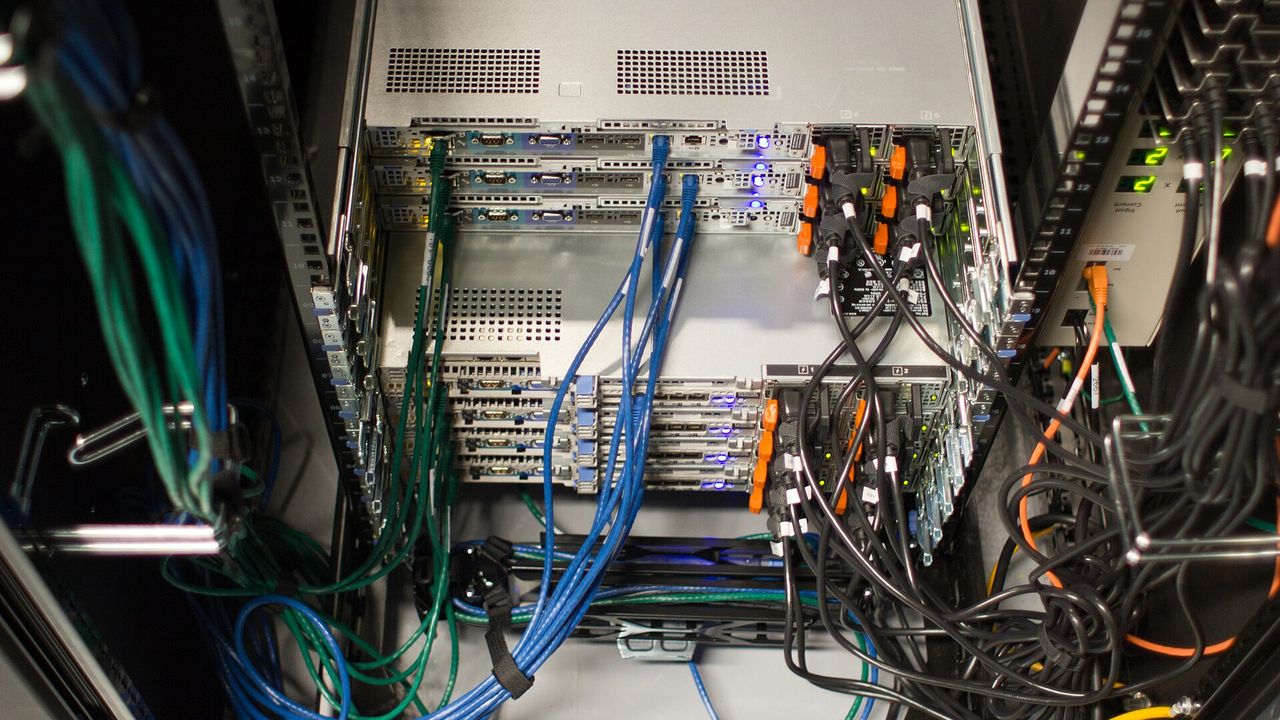
輝達新一代Rubin平台架構將單板MLCC用量推升至 12,000 顆,達到傳統伺服器的 2 至 3 倍,這項規格劇變正在被動元件市場引發罕見的結構性擠壓。這並非整體終端消費電子的廣泛復甦,而是極端高階需求對全球產能形成的單向抽真空效應。隨著日本與韓國龍頭原廠將高階產能全面轉向耐高溫、高容值的AI專用規格,非蘋手機與常規消費性電子市場的產能缺口瞬間擴大。二線客戶面臨日系料件交期延長與報價調漲,被迫大舉轉向台灣供應鏈,被動元件產業歷經 2 年去庫存後,罕見啟動由AI外溢效應帶動的漲價循環。Nvidia's next-generation Rubin platform architecture pushes multi-layer ceramic capacitor (MLCC) content to 12,000 units per board—two to three times the density found in conventional enterprise servers—triggering an acute structural capacity squeeze across the passive component supply chain. This is not a broad-based recovery in global consumer electronics, but rather a singular vacuum created by extreme high-end compute demand draining worldwide manufacturing lines. As tier-one Japanese and South Korean manufacturers pivot premium capacity toward high-temperature, high-capacitance AI-specific components, supply deficits for non-Apple smartphones and standard consumer hardware have suddenly widened. Tier-two hardware clients, confronted with extended lead times and steep price hikes from Japanese vendors, are turning en masse to Taiwanese suppliers, sparking a rare AI-driven pricing cycle after two years of inventory digestion.
產能排擠重塑全球被動元件版圖Capacity Cannibalization Reshapes Global Passive Component Landscape
這場供應鏈重組的核心動力,源自日韓龍頭大廠的主動策略轉移。村田製作所與三星電機為了滿足超大規模資料中心的需求,全力將產線改裝為車規與伺服器級高容產品,進一步收縮常規消費級料號的供給比重。其中三星電機針對部分常規產品發出調價通知,漲幅高達 25%至 30%,部分訂單交期甚至已延伸至 2027 年上半年。這種產能排擠直接切斷了傳統網通與工業客戶的既有採購配額,使得過去依賴日韓原廠的系統廠,不得不尋求替代來源以確保出貨穩定。台系供應鏈因此承接外溢的標準品訂單,一舉脫離低價競爭,重獲定價話語權。The driving force behind this supply-chain reshuffling is a deliberate strategic pivot by leading Japanese and South Korean manufacturers. Murata Manufacturing and Samsung Electro-Mechanics have re-engineered active assembly lines toward automotive-grade and server-class high-capacitance parts to satisfy hyperscaler data-center demand, sharply throttling supply allocations for mainstream consumer-grade component lines. Samsung Electro-Mechanics has issued price-hike notices of 25% to 30% on select standard components, with delivery lead times on certain orders now stretching into the first half of 2027. This capacity displacement has severed baseline quotas for traditional networking and industrial equipment clients, forcing system integrators that historically relied on Japanese and Korean vendors to secure alternative supply sources. Taiwanese vendors have stepped in to capture these spillover orders, ditching margin-dilutive price wars to regain strategic pricing power.
獲利結構優化與遠期估值重大分歧Margin Expansion Drives Sharp Divergence in Outer-Year Valuations
產品組合升級迅速反映在龍頭廠商的財報指標上。國巨高階產品營收佔比已攀升至 22.7%,帶動單季毛利率突破 40%,法人更預期後續季度將進一步朝 44%邁進。然而,市場對其獲利的可持續性呈現罕見的兩極化判斷。機構預估其 2026 年每股純益落在 18.95 元至 20.92 元之間,但對 2027 年的每股純益預估區間卻擴大至 27.53 元至 36.50 元,高低估值落差超過 3 成。分歧的本質在於日廠釋出的轉單份額究竟是短暫的防禦性填補,還是具備黏著性的長期板塊位移,以及台廠能否在高階領域站穩腳步並享有穩定的溢價空間。This enriched product mix has quickly surfaced across leading balance sheets. Yageo has seen high-end offerings climb to 22.7% of total revenue, driving quarterly gross margins past 40%, with sell-side analysts projecting a further push toward 44% in upcoming quarters. Nevertheless, the Street is sharply divided over the durability of these windfall profits. Consensus estimates place Yageo's 2026 earnings per share between NT$18.95 and NT$20.92, yet the projected spread for 2027 widens dramatically from NT$27.53 to NT$36.50—a high-low dispersion exceeding 30%. The crux of this disagreement lies in whether the order diversion conceded by Japanese majors represents a temporary, defensive stopgap or a sticky, permanent market-share reallocation, and whether Taiwanese fabricators can firmly entrench their footprint in high-end domains to sustain a structural pricing premium.
預防性庫存泡沫與產能回流風險Precautionary Buffer Stocks Risk Capacity Reversal Headwinds
儘管漲價題材帶動市場樂觀情緒,潛藏的周期反轉風險依然不容忽視。與先進製程半導體的高技術壁壘相比,常規MLCC的製造門檻相對較低,擴產彈性更靈活。當前下游系統廠的大量拉貨,部分源於對交期拉長的恐慌所建立的預防性安全庫存,一旦終端終止囤貨,庫存便可能迅速轉為跌價損失。更關鍵的變數在於日系原廠完成AI專屬產線調配後,若將騰出的通用設備回頭生產高毛利常規料號,目前供需失衡的緊俏格局恐將在 2 年內被打破。屆時轉單紅利若未能及時轉化為長期專利或客戶綁定,獲利擴張步伐勢必遭遇嚴峻考驗。Despite the market euphoria ignited by price-hike narratives, the threat of an eventual cyclical reversal remains real. Compared to the steep technological moats of advanced semiconductor manufacturing, standard MLCC fabrication carries lower barriers to entry and far more flexible capacity additions. Current downstream procurement surges are partially driven by panic-buying to construct precautionary safety stock against lengthening lead times; once end-assembly stops stockpiling, inventories can rapidly trigger write-downs. More critically, once Japanese suppliers complete their dedicated AI line conversions, any retrofitting of surplus universal equipment back toward high-margin standard parts could rebalance today's tight supply-demand equation within two years. Unless Taiwanese fabricators leverage this transition window to cement proprietary patents and customer lock-in, their margin expansion path could face steep resistance.
這輪被動元件景氣回溫本質上是規格換代引發的產能錯配,並非全球總體需求的全面擴張。本刊判斷,短期內台系廠商將持續享有結構性轉單帶來的毛利擴張紅利,定價權優勢可望延續數個季度。後續觀察核心在於系統端真實消化速度能否跟上拉貨節奏,以及海外原廠在資本支出上的擴張訊號是否釋放產能反轉的預警。This resurgence in passive component fundamentals reflects a capacity allocation mismatch sparked by architectural specification upgrades rather than a broad recovery in global end-market demand. AHI Journal expects Taiwanese vendors to harvest gross-margin dividends from structural order diversions over the near term, sustaining favorable pricing power for several quarters. Moving forward, the critical metrics to monitor are whether real downstream consumption keeps pace with order cadences, and whether capital expenditure additions from overseas incumbents begin flashing early warning signs of an impending capacity inflection.
訂閱內容包含主要被動元件廠預估EPS對照表、村田產能追蹤序列,以及漲價循環延續的否證指標。Subscriber coverage includes consensus EPS revision matrices for major passive component vendors, capacity tracking for Murata, and explicit falsification indicators for the pricing upcycle.