 AHI Journal
AIDC電網供電受限催生現場發電:士電 600 億在手對決Bloom Energy暴衝AIDC Grid Delays Drive On-Site Power: Shihlin Electric's NT$60 Billion Backlog Meets Bloom Energy's Surge
資料中心通電時程拖延達數年,表後發電與高壓變壓器成為真正算力限制,重電與燃料電池大廠迎來長期資本支出訂單。Data center grid interconnects stretch over years, turning behind-the-meter power and high-voltage transformers into the true compute bottleneck, unlocking long capex dividends for heavy electrical and fuel-cell makers.
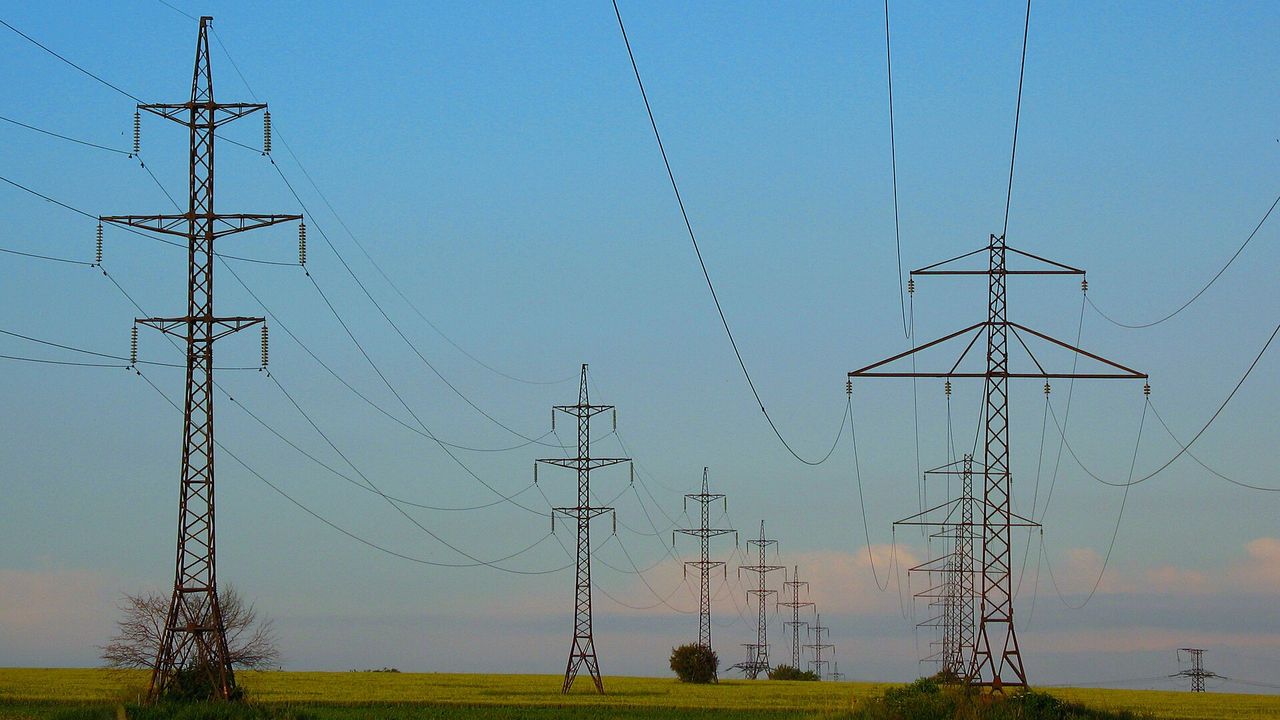
全球人工智慧軍備競賽的戰場,正迅速從晶片運算演算法轉向實體電網接取。微軟預估其資料中心容量至 2032 年將擴增至 38GW,4 大雲端巨頭至 2027 年的資本支出預期逼近 1 兆美元。然而,北美公用電網擴建步伐嚴重滯後,資料中心從申請至通電的等待期已延長至 3 至 5 年。這個巨大的時間缺口,迫使科技巨頭將資本轉向具備即時落地能力的表後獨立供電系統,以及支撐高電壓傳輸的關鍵重電設備。北美電力設備的嚴重缺口,使遠在亞洲的重電廠與美國現場發電供應商,成為當前支撐算力擴張的最直接受益者。The front lines of the global artificial intelligence race are shifting rapidly from compute silicon and algorithmic architectures to physical grid interconnects. Microsoft projects its data center capacity will swell to 38 GW by 2032, while capital expenditures across the four largest hyperscalers are forecast to approach $1 trillion through 2027. Yet expansion of the North American utility grid has fallen drastically behind, stretching the queue for data center grid connections to between three and five years. This vast operational bottleneck is forcing tech giants to reallocate capital toward behind-the-meter generation assets capable of immediate deployment, as well as critical heavy electrical equipment essential for high-voltage transmission. The severe equipment deficit across North America has positioned Asian electrical equipment manufacturers and U.S. on-site power suppliers as the prime enablers of continued compute expansion.
重電交期拉長推升台廠資本擴建Transformer Delivery Lead Times Drive Taiwan Capex Boom
台灣重電廠士電的營運數據具體反映了這股動能。該公司在手訂單已突破 600 億元,核心變壓器交期拉長至 2 至 3 年。剛投產的T3 新廠稼動率迅速達到 90%,迫使公司斥資興建T4 新廠,將規格升級至 345kV超高壓等級,預計於 2027 年 9 月投產並新增 5GVA年產能。營收結構方面,士電上半年EPS達 5.04 元,市場預期 2026 與 2027 年EPS將分別達 8.10 至 9.01 元與 10.80 至 11.00 元。加上規模達 500MW的表後儲能專案進入認列旺季,設備製造與系統統包的整合能力,提供其跨週期的獲利支撐。Operating metrics from Taiwan-based Shihlin Electric illustrate the scale of this tailwind. The heavy electrical equipment manufacturer’s order backlog has breached NT$60 billion, with delivery lead times for primary power transformers stretching to two to three years. Its newly commissioned T3 facility rapidly hit 90% utilization, prompting the board to greenlight construction of the T4 plant to step up production of 345 kV ultra-high-voltage units, scheduled to come online in September 2027 with 5 GVA in annual capacity. Shihlin Electric posted first-half earnings per share of NT$5.04, with consensus estimates pointing to EPS of NT$8.10 to NT$9.01 in 2026 and NT$10.80 to NT$11.00 in 2027. Supplemented by peak revenue recognition from a 500 MW behind-the-meter energy storage pipeline, Shihlin’s dual capabilities in equipment fabrication and turnkey engineering provide robust earnings visibility across cycles.
表後燃料電池成為即時供電首選Behind-the-Meter Fuel Cells Emerge as Primary Bridge Power
在北美市場端,現場發電龍頭Bloom Energy正受惠於電網癱瘓帶來的轉單潮。市場預估 2026 至 2032 年間,全美表後燃料電池新增裝置容量將達 15GW,潛在商機高達 600 億美元。傳統電網升級往往需要曠日廢時的行政程序,而固態氧化物燃料電池具備高度模組化特性,僅需數月即可在資料中心旁組裝投產。Bloom Energy預估 2026 年底產能將拉升至 2GW,並帶動 2026 至 2028 年間的營收與EBITDA年複合成長率分別衝上 58.2%與 81.6%。該股即將納入標普 500 指數,更將引來超過 100 億美元的被動買盤推升評價。In North America, on-site generation leader Bloom Energy is capitalizing on grid delays to capture substantial market share. Analysts estimate behind-the-meter fuel cell additions across the U.S. will reach 15 GW between 2026 and 2032, representing a $60 billion addressable market. While traditional transmission upgrades remain mired in multi-year regulatory reviews, solid-oxide fuel cell systems feature a modular footprint that can be erected adjacent to data centers within months. Bloom Energy expects to scale annual manufacturing capacity to 2 GW by the end of 2026, driving projected revenue and EBITDA compound annual growth rates of 58.2% and 81.6%, respectively, from 2026 through 2028. The stock’s impending addition to the S&P 500 is set to unlock more than $10 billion in passive institutional inflows, further re-rating the equity.
基礎設施掌握算力擴張定價話語權Physical Infrastructure Assumes Pricing Power Over AI Compute
這 2 家能源設備供應商的崛起,反映出科技巨頭的資本支出結構發生本質變化。算力集群的擴張節奏不再只由輝達等晶片巨擘的主機板出貨量決定,而是實質受制於現場電力能否即時供電。從需要超長交期的 345kV變壓器,到可快速部署的現場發電模組,掌握關鍵電力資源的業者反向握有專案落地的定價權。科技巨頭過去將電力視為標準公用事業成本,如今為了避免昂貴伺服器閒置折舊,願意對能克服電網時程拖延的電力方案支付溢價。資本市場對重電與替代供電板塊的重估,正是對這種產業權力轉移的定價過程。The ascent of these two energy equipment providers highlights a fundamental shift in hyperscaler capital allocation. The pace of AI cluster rollouts is no longer governed solely by GPU board shipments from Nvidia and its peers; it is strictly bounded by whether sites can secure energized power on schedule. From long-lead 345 kV step-up transformers to rapidly deployable on-site fuel cell modules, suppliers controlling critical electrical bottlenecks now hold the upper hand in pricing project delivery. Where technology firms once treated power as an ordinary utility input, they are now paying premium pricing for fast-track energy infrastructure to avoid holding billions of dollars in idle, depreciating silicon. The market’s re-rating of electrical equipment and alternative power stocks reflects this reallocation of industrial leverage.
AI投資的核心敘事已確立從演算法轉向基礎水電設施。未來評估算力建設能否持續兌現的關鍵,不在於科技巨頭追加了多少資本支出預算,而在於雲端服務商實際完工並通電的發電容量能否跟上排程。若重電或表後供電設備因零組件短缺出現交付遞延,算力釋放將面臨實質降速,這是檢驗板塊續航力的核心指標。The foundational investment narrative for AI has unmistakably rotated from algorithmic breakthroughs to the unglamorous realities of power and grid capacity. Gauging whether hyperscale compute buildouts can stay on course no longer depends on the size of tech capex announcements, but on the gigawatts of capacity cloud providers can actually energize each quarter. Should heavy electrical equipment or behind-the-meter systems suffer delivery pushbacks due to component bottlenecks, the physical deployment of AI compute will decelerate in kind—making energized capacity the decisive benchmark for the sector’s momentum.
訂閱版深入拆解台美重電關鍵交付時程、SOFC每度電建置成本比較,以及電力設備交期監測清單。The subscriber edition provides delivery-schedule roadmaps for Taiwan-US electrical equipment suppliers, SOFC levelized cost comparisons, and power gear lead-time monitors.