 AHI Journal
賣方集體上調重電與航運:非科技權值股走出獨立獲利重估路徑Sell Side Broadly Upgrades Heavy Electrical and Shipping: Non-Tech Heavyweights Forge Independent Rerating Paths
電子高評價面臨公債殖利率壓抑,分析師目光轉向訂單直達 2028 年的變壓器廠與日租金翻倍的散裝航運龍頭。High tech valuations face headwinds from treasury yields, diverting analyst attention to transformer builders booked through 2028 and dry bulk shippers with doubling daily charter rates.
當美國 10 年期公債殖利率逼近 4.96%,且 8 月生產者物價指數年增率達 5.4%之際,資本市場的流動性折現模型正經歷劇烈調整。過去享有高評價的科技權值股面臨估值壓縮,賣方研究機構的調升清單隨之轉向。一場鮮明的板塊位移正在台北股市展開,分析師開始將目光投向手握長期合約、具備實質轉嫁能力與實體資產支撐的傳產板塊。從訂單排程直達 2028 年的變壓器製造廠,到日租金單月暴漲近 4 成的散裝航運龍頭,非科技權值股正在擺脫過去被視為被動景氣循環股的評價宿命,迎來近數年罕見的集體獲利重估。With the 10-year U.S. Treasury yield hovering near 4.96% and August's producer price index advancing 5.4% year-over-year, capital markets are recalibrating their liquidity discount models at a dizzying pace. High-flying tech bellwethers face valuation compression, prompting sell-side analysts to reshape their conviction lists. A distinct sector rotation is sweeping through the Taiwan Stock Exchange, where research desks are turning their focus toward industrial names fortified by long-term contract backlogs, real pricing power, and tangible asset backing. From transformer manufacturers booked solid through 2028 to dry-bulk shipping leaders enjoying a nearly 40% monthly surge in daily charter rates, traditional industrial heavyweights are shaking off their legacy label as passive cyclical plays, ushering in a rare, collective earnings rerating.
電力基建長單重塑本益比架構Long-Term Power Grid Contracts Reshape Multiples
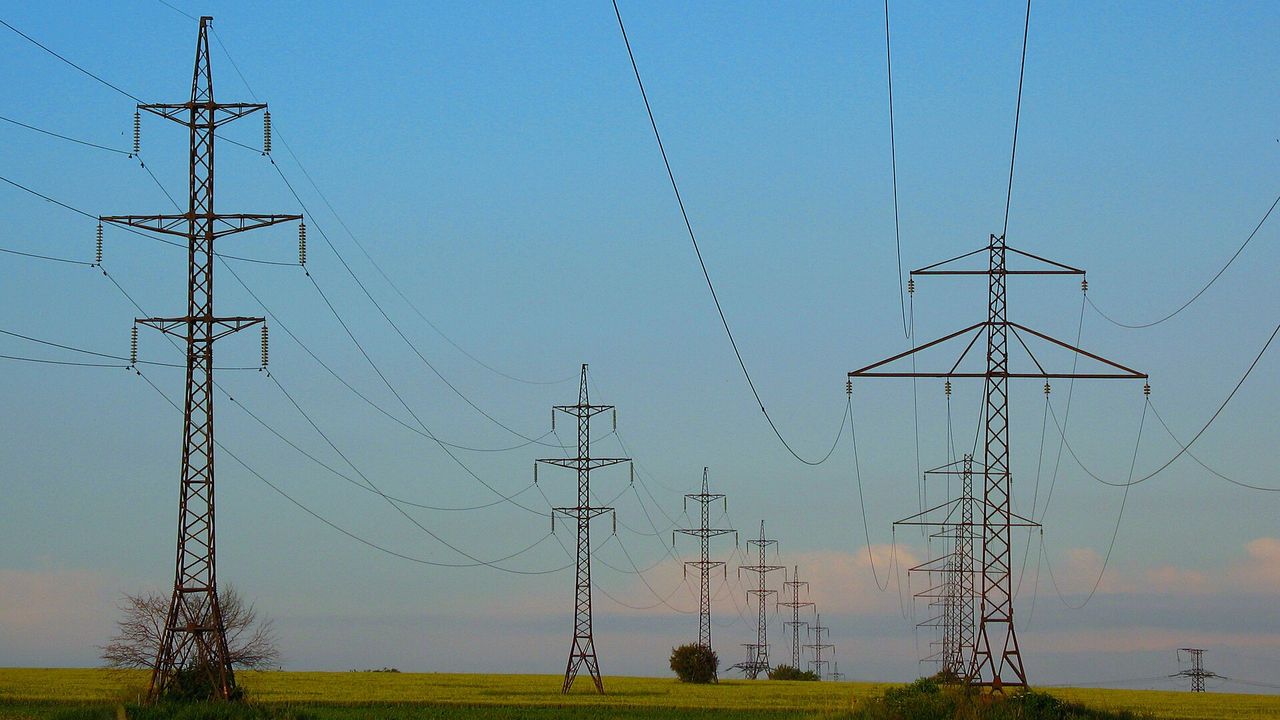
重電設備族群成為這波評價重估的核心驅動力。在台電強韌電網政策預算推進、半導體擴建廠房以及北美變壓器外銷缺口等多重動能催化下,士林電機、亞力與華城擺脫了歷史循環框架。目前士電在手未消化合約金額突破 600 億元,亞力積壓合約超過 130 億元,華城針對資料中心的重電業務排程更已鎖定至 2028 年。賣方機構給予士電的前瞻本益比已由過去常態的 12 至 15 倍,推升至 20 至 30 倍區間。這項定價機制的本質轉變,顯示機構法人已將電力基礎建設視為具備高度確定性的剛性需求,而非易受景氣波動干擾的資本支出。Heavy electrical equipment makers have emerged as the primary engine behind this valuation overhaul. Catalyzed by Taiwan Power Co.'s grid-resilience investments, expanding semiconductor fab footprints, and a persistent North American transformer supply deficit, Shihlin Electric & Engineering, Allis Electric, and Fortune Electric have broken free from their historical cyclical bands. Shihlin Electric's unfulfilled backlog now exceeds NT$60 billion, Allis Electric's order book tops NT$13 billion, and Fortune Electric's heavy electrical scheduling for data centers is locked in through 2028. Sell-side firms have hoisted Shihlin Electric's forward price-to-earnings multiple from its historical 12-to-15-times range to between 20 and 30 times. This fundamental shift reflects institutional capital's willingness to reprice power grid infrastructure as inelastic demand, rather than volatile capital spending vulnerable to macro swings.
航運板塊分化與大宗散裝崛起Divergence in Maritime Logistics as Dry Bulk Outpaces Containers
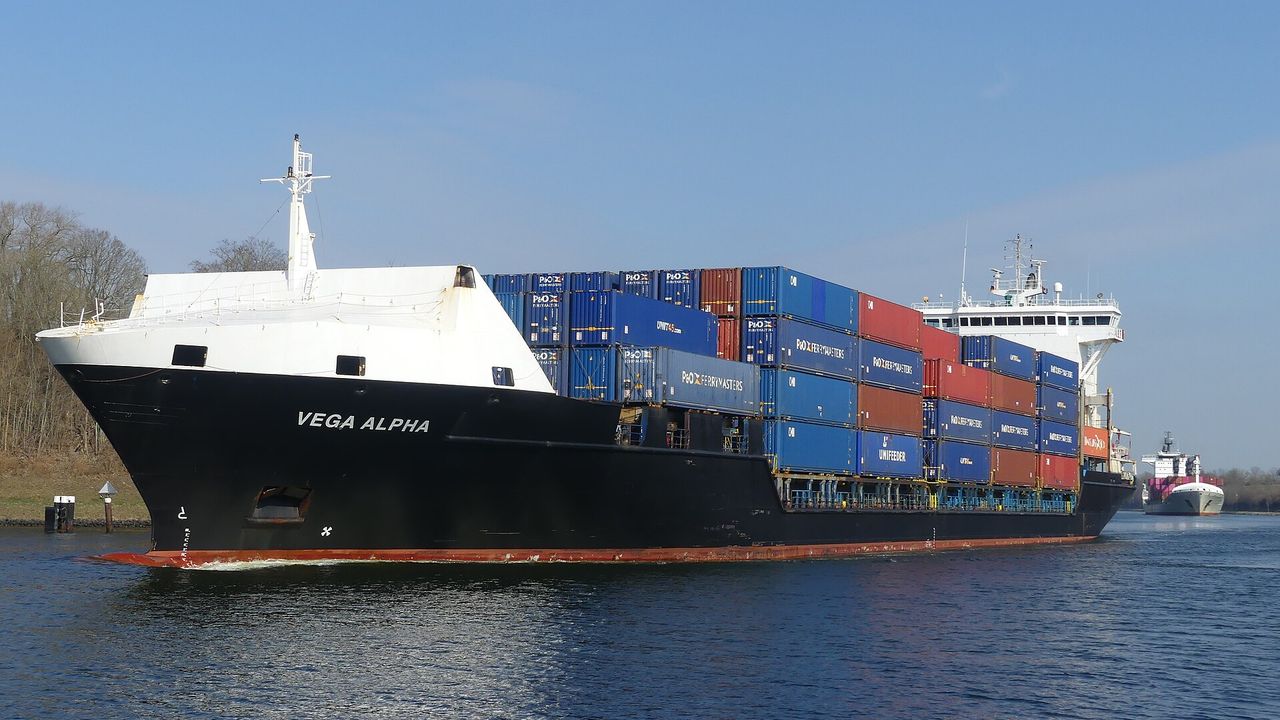
航運族群內部則上演截然不同的評價走向。貨櫃航運雖然迎來第 3 季拉貨旺季,長榮 8 月營收繳出 489.86 億元成績,但賣方對全球船隊運力擴張的戒心並未消除。反觀散裝航運市場,西非西芒杜鐵礦砂擴產與鋁礬土海運需求激增,引發大型海岬型船舶運能緊俏。裕民現貨日租金自 8 月中旬的 39,700 美元低點一路推升至 55,500 美元,船舶營運毛利率衝高至 69.4%。強勁的現貨定價驅使分析師將裕民全年獲利預期大幅調升 7 成,慧洋-KY亦受惠中小型船運價堅挺,實體大宗物資的航運需求正展現超越貨櫃貿易的現金流彈性。The broader shipping space is carving out sharply divergent paths. While container lines entered their traditional third-quarter peak season—propelling Evergreen Marine's August revenue to NT$48.986 billion—analysts remain wary of global fleet capacity expansions. By contrast, the dry-bulk arena is wrestling with tight Capesize vessel supply, stoked by West African Simandou iron ore ramp-ups and surging bauxite shipments. Spot charter rates for U-Ming Marine Transport surged from an August trough of $39,700 per day to $55,500, lifting its vessel operating gross margin to 69.4%. Robust spot pricing prompted analysts to raise full-year profit projections for U-Ming by 70%, while Wisdom Marine has also capitalized on firm mid-to-small vessel rates, underscoring how raw bulk demand is yielding more resilient cash-flow leverage than container shipping.
遠期題材降溫與實體資產獲青睞Speculative Plays Cool as Tangible Assets Gain Favor
與重電及散裝的火熱形成鮮明對比的是高基期光學零組件族群遭遇降評。外資法人近期接連調降大立光與玉晶光評等,直言市場過早反映矽光子共同封裝光學元件(CPO)與光纖陣列的未來營收潛力。由於相關先進零組件的實質大規模量產時間落在 2027 年下半年以後,短期估值擴張已透支基本面支撐。這項評等調降反映出當前宏觀資金環境的嚴苛轉折:在升息壓力與資金成本維持高檔的背景下,市場耐心顯著縮短,機構投資人不再盲目追逐 3 年後的遠期題材,而是要求企業在當下必須具備可驗證的交付訂單與即期獲利回報。The frenzy surrounding heavy equipment and bulk shipping stands in stark contrast to downgrades hitting premium optical component suppliers. Foreign brokerages recently downgraded Largan Precision and Genius Electronic Optical (GSEO), cautioning that markets had priced in revenue contributions from co-packaged optics (CPO) and fiber arrays far too early. With volume commercialization of these advanced components unlikely until the second half of 2027 at the earliest, recent multiple expansion has outpaced operational realities. These rating adjustments reflect a more austere macro capital regime: facing elevated rates and a steep cost of capital, investor patience has compressed, and institutional portfolios are abandoning speculative three-year horizons in favor of verified order backlogs and near-term cash returns.
本刊判斷,台股資金防禦陣營的挪移並非短期避險,而是對應實體經濟供需重構的資本再配置。高息環境迫使買賣雙方重估現金流的折現風險。後續需密切觀察重電供應鏈外銷交期是否出現延宕,以及散裝航運現貨租金能否順利傳導至長期合約,這 2 項實體指標將決定傳統工業股的重估週期能延續多久。This capital migration toward defensive industrial counters represents not a fleeting flight to safety, but a structural reallocation tracking real-economy imbalances. Elevated interest rates are compelling market participants to reassess cash-flow discount assumptions. Going forward, investors must monitor whether lead times on export-bound heavy power equipment extend, and whether spot dry-bulk charter gains can successfully translate into durable long-term contracts—two physical metrics that will determine the longevity of this industrial rerating.
訂閱版收錄非科技權值股獲利調升矩陣、散裝現貨損益平衡點序列,以及法人部位輪動監控指標。The subscriber edition includes non-tech heavyweight earnings revision matrices, dry-bulk breakeven rate curves, and institutional asset-rotation tracking indicators.