 AHI Journal
拉美採礦熱潮引爆中國重卡出海:資源週期與二手車替代通道成形Latin American Mining Boom Sparks Chinese Heavy-Truck Exports: Resource Cycles Drive Used-Fleet Substitution
金屬礦產暴漲推動南美礦區資本開支,中國重卡憑藉性價比加速替代歐美二手車,上半年出口量年增近 7 成。Soaring metals prices lift South American mine capex, as cost-effective Chinese heavy trucks rapidly displace western used vehicles, driving first-half export volumes up nearly 70% year over year.

全球資源價格持續處於高位,直接推升拉丁美洲核心礦區的開工率與擴產支出,帶動採礦工程車輛需求出現爆發式增長。最新數據顯示,2026 年上半年中國對拉丁美洲的重卡出口量達到 1.98 萬輛,較去年同期大幅攀升 68%,在該地區進口重卡市場的占有率迅速擴張至 26.3%,直接侵蝕原本由美系車商主導的 43.9%市場份額。在歐美製造業面臨通膨與工會成本攀升的背景下,拉美礦業設備的採購偏好正在轉移,這不僅是一場單純的車輛外銷擴張,更標誌著新興市場實體資產投資正加速轉向非美供應體系。Sustained high global commodity prices are driving up utilization rates and capital expenditure across Latin America's core mining regions, unleashing a wave of demand for heavy engineering fleet vehicles. Fresh trade data shows Chinese heavy-truck exports to Latin America climbed to 19,800 units in the first half of 2026, marking a 68% year-over-year surge and lifting China's share of the region's heavy-truck import market to 26.3%—directly chipping away at the 43.9% share long dominated by U.S. manufacturers. With Western equipment makers hamstrung by inflation and climbing labor costs, Latin American mining operators are diversifying their procurement, signaling a deeper realignment toward non-U.S. supply ecosystems across emerging-market capital projects.
價格直逼二手翻新重構車隊採購生態New Units Match Refurbished Costs, Upending Fleet Purchases
拉美核心七國的重卡總保有量高達 280 萬輛,長期以來由於新車購置成本昂貴,多數中小車隊與採礦工程承包商習慣依賴自美國進口的二手翻新車輛。然而,隨著中國商用車製造成本優勢展現,全新重卡的離岸與到港價格已幾乎與歐美二手翻新車齊平,使得眾多運營商在面臨車輛汰換週期時,直接放棄二手車而轉向採購中國全新車輛。這種直接跨越次級市場的設備替代策略,以極高的性價比迅速打穿拉美基層運輸業者的預算防線,成為推升出口規模最關鍵的底層商業動能。The active heavy-duty truck fleet across Latin America's seven key economies stands at roughly 2.8 million units, where high new-vehicle price tags historically pushed smaller fleets and mining contractors toward refurbished secondhand rigs imported from the United States. However, China's commercial vehicle manufacturing efficiencies have narrowed the freight-on-board and landed cost of a brand-new Chinese heavy truck to parity with a refurbished Western alternative. Fleet operators facing replacement cycles are increasingly bypassing the secondary market altogether. This direct equipment substitution delivers significant value, penetrating procurement budgets across baseline Latin American haulers and providing the structural catalyst behind the export boom.
區域自貿網絡化解保護主義關稅壁壘Free-Trade Networks Soften Regional Tariff Hurdles
儘管拉丁美洲本土製造大國如墨西哥與巴西,為了保護本土汽車工業而祭出反傾銷措施,並設置高達 35%至 50%的進口關稅壁壘,但這波出海浪潮並未遭到實質阻斷。關鍵在於智利、秘魯等主要金屬資源國與亞洲具備成熟的雙邊自貿協定,大幅降低了設備入境的貿易成本;與此同時,中資機構在南美投資的眾多大型礦業項目,其附屬運輸車隊也大規模優先導入相容設備。多元且靈活的落地渠道,成功繞開部分國家的保護主義高牆,在南美太平洋沿岸構築起難以撼動的滲透樞紐。Although major regional industrial hubs such as Mexico and Brazil have introduced antidumping measures and erected tariff barriers ranging from 35% to 50% to shield domestic auto industries, Chinese heavy-truck momentum has remained largely intact. Crucially, key resource-exporting nations such as Chile and Peru maintain well-established bilateral free trade agreements with Asian partners, substantially mitigating landed trade expenses. At the same time, Chinese-backed consortia managing major South American mining concessions are prioritizing compatible machinery across their logistics fleets. These flexible market-entry channels successfully bypass isolated protectionist pockets, cementing a durable logistical foothold along the Pacific coast of South America.
資源商品循環加速重塑商用車版圖Commodity-Equipment Feedback Loop Accelerates Market Shift
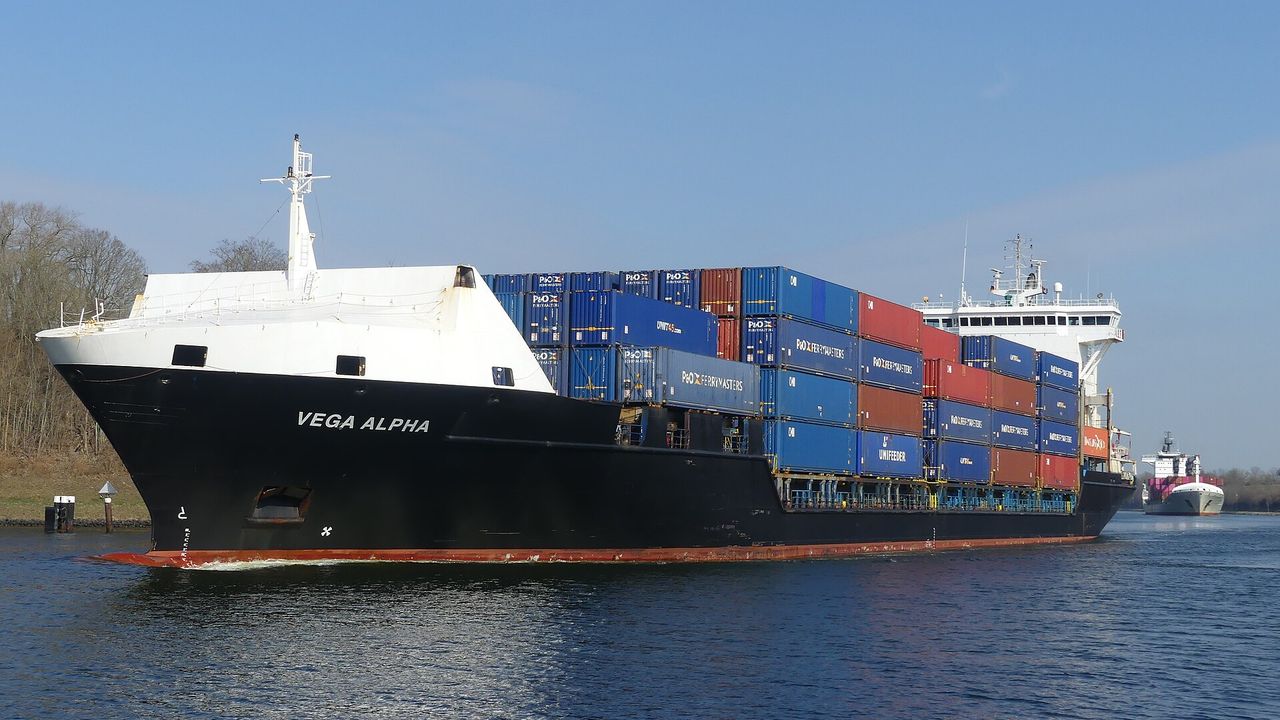
深層的產業推動力來自能源與基礎工業品的大型循環。南美龐大的鐵礦石與鋁礬土產出高度依賴海運流向亞洲加工基地,海岬型散裝船日租金突破 5.5 萬美元反映出兩地貿易航線的極度熱絡;而亞洲製造體系在完成原物料深加工後,再將兼具可靠度與成本競爭力的工程卡車反向輸出至南美礦場,形成了穩固的實體資源交換閉環。市場預測至 2028 年,中國對拉美重卡的年銷量將達到 5.9 萬輛,占當地進口總量比重將突破 45%,歐美品牌長達數十年的寡占結構已出現結構性逆轉。The underlying economic engine is a vast bilateral trade loop of energy and base commodities. South America's massive iron ore and bauxite output moves by sea to Asian industrial bases—a dynamic reflected in Capesize daily charter rates surpassing $55,000. Asian manufacturing hubs refine these raw inputs and ship dependable, cost-competitive commercial haulers back to South American mines, establishing a closed-loop physical trade channel. Market consensus forecasts that Chinese heavy-truck sales to Latin America will reach 59,000 units annually by 2028, capturing more than 45% of total regional imports and overturning a decades-long Western oligopoly.
本刊認為,拉美商用車市場的重整,體現出全球製造業供應鏈在成本與地緣分流下的重新排列。新興經濟體正依循「資源輸出結合設備回流」的務實路徑推進基礎建設。後續評估的重心,在於拉美核心經濟體的二手車進口法令修改進程,以及主要進口國關稅防衛政策的調整強度,這將直接決定此波替代循環的擴張節奏。The commercial vehicle shake-up in Latin America reflects a broader reorganization of industrial supply networks, guided by operating costs and geopolitical diversification. Emerging resource economies are pursuing a pragmatic framework that pairs raw material exports with value-engineered capital imports. Going forward, institutional observers should track regulatory revisions governing secondhand automotive imports across core Latin American markets, as well as the stringency of regional tariff regimes, which will dictate the pace of this ongoing fleet transition.
訂閱版提供拉美七國商用車進口市占消長圖表、中資車隊專屬供應鏈名單,以及關稅政策否證條件。The subscriber edition maps out commercial vehicle market-share shifts across seven Latin American nations, Chinese fleet-tied supply chains, and tariff falsification thresholds.