 AHI Journal
實體瓶頸反噬虛擬算力:定價權移轉的脆弱平衡Maintaining Strategic Restraint Amid Liquidity Divergence and Cost Restructuring
市場態:立場:實體供應鏈瓶頸壓制中游組裝毛利,定價權倒向重電與稀缺材料端;信心:中高;否證:上游關鍵原料配額超預期釋出或雲端資本支出實質下修。Market State: Armed Stance: The Taiex holds above its 200-day moving average, but foreign net short positions in Taiwan Index Futures sit at extreme levels and day-trading ratios remain unbalanced, keeping high-valuation assets under corrective pressure.

表面數據的繁榮與資本市場的真實處境,正在台北股市呈現前所未見的劇烈割裂。台灣上市櫃公司 8 月合併營收衝破 6 兆元創下歷史新高,台積電單月營收站上 5,148 億元,印證了先進製程在人工智慧浪潮中的實質收益。然而,亮眼成績單未能消弭系統性風險的積聚。美股費城半導體指數重挫 2.66%,台指期夜盤隨之暴跌近 800 點,將市場推入高張力警戒區。外資在期貨市場累積近 8.4 萬口淨空單,展現出極端防禦姿態;與此同時,集中市場當沖成交比重卻在游資推升下突破 41.7%。機構法人的全面撤退防守與短線散戶的亢奮進場,構成了高度失衡的流動性背離。A striking disconnect has emerged in Taipei's equity market between stellar headline fundamentals and deteriorating capital-market undercurrents. Combined August revenue across Taiwan's listed companies hit a record high above NT$6 trillion, led by TSMC's single-month haul of NT$514.8 billion, reaffirming the windfall from advanced semiconductor nodes in the artificial-intelligence boom. Yet those standout numbers failed to stem mounting systemic anxiety. A 2.66% tumble in the Philadelphia Semiconductor Index triggered a nearly 800-point rout in overnight Taiwan index futures, pitching the market into high alert. Foreign institutional investors built an extreme defensive moat, amassing nearly 84,000 net short contracts in the futures market, even as momentum-chasing retail liquidity pushed the day-trading share on the centralized exchange past 41.7%. The divergence between wholesale institutional retrenchment and frantic speculative churn underscores a severely compromised liquidity backdrop.
外資極端避險與游資當沖的籌碼割裂Extreme Foreign Hedging Collides with Retail Day-Trading Frenzy
當前指數雖維持在長期均線之上,但盤面動能已經出現本質上的退化。外資高達近 8.4 萬口的期貨淨空單,絕非尋常的短線調節,而是機構資金面對全球宏觀變數所建立的龐大避險防火牆。這種防禦性配置直接壓制了權值股的向上空間,使得指數每一次試圖突破都面臨沉重的現貨拋壓與期貨壓制。反觀散戶與當沖資金,在缺乏長線基本面買盤支撐的環境下,選擇將集中市場當沖比率推升至 41.7%的高位,在熱門題材股中進行極高頻率的籌碼互換。當造市者與長線主權基金選擇離場觀望,市場深度隨之驟降,使得任何突發性的外部衝擊都可能引發劇烈的流動性踩踏。Although the benchmark remains above its long-term moving averages, underlying market momentum has fundamentally degraded. The institutional net short position of nearly 84,000 futures contracts is no run-of-the-mill tactical adjustment; it represents a formidable macro hedge against global headwinds. This defensive overhang caps upside for large-cap heavyweights, subjecting every index breakout attempt to heavy cash-market dumping and futures-led suppression. Conversely, retail and day-trading flows—devoid of long-term fundamental support—drove the centralized bourse's day-trading ratio to a elevated 41.7%, rapidly cycling chips across momentum themes. With market makers and long-only sovereign allocators largely retreating to the sidelines, order-book depth has evaporated, leaving the tape vulnerable to severe liquidity panics on any sudden external shock.
供應鏈利潤重組引發定價權全面位移Supply-Chain Margin Realignment Shifts Pricing Power Upstream
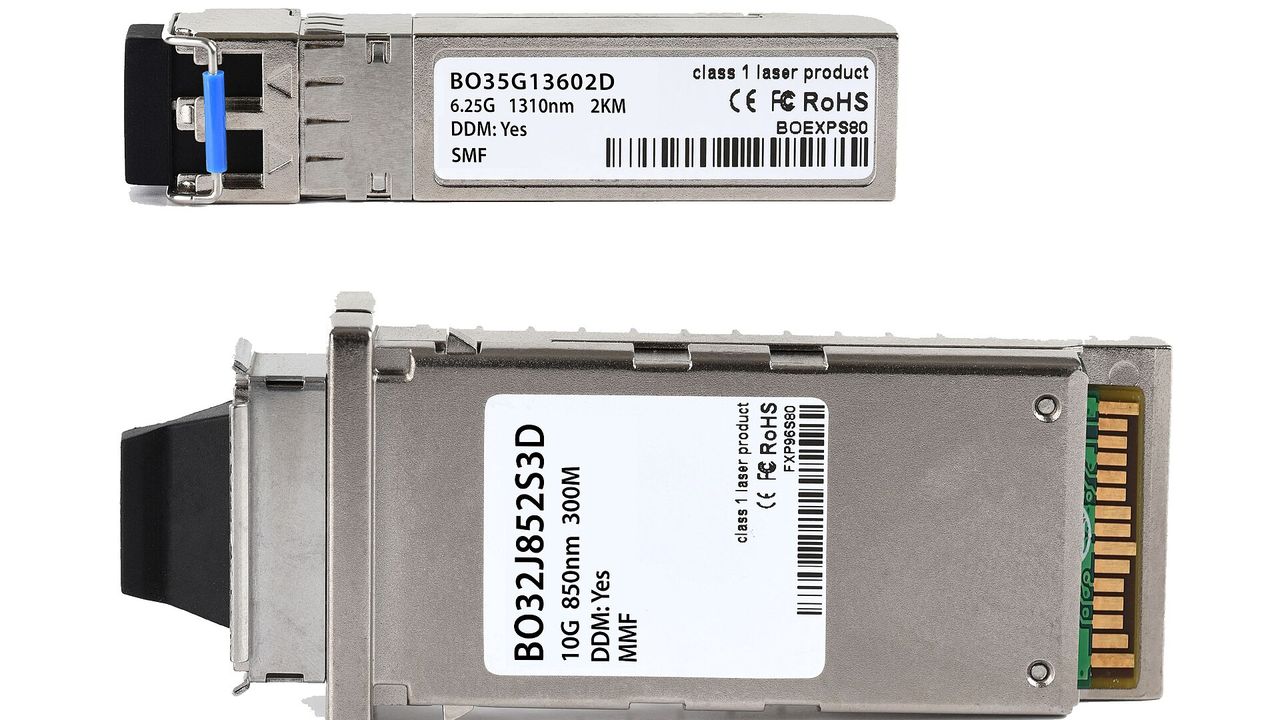
繁榮表象掩蓋了科技產業內部的利潤分配重組。傳統消費電子產品需求持續萎縮,個人電腦出貨量年減高達 35%,顯示終端復甦動能依然脆弱。雪上加霜的是,上游原料供給遭遇實質瓶頸,村田宣布部分產線停產引發被動元件價格調漲,加上光纖材料與高階印刷電路板基材短缺,下游系統組裝廠正面臨零組件成本暴增與物料失衡的雙重夾擊。科技產業鏈的利潤正在從缺乏議價能力的下游組裝環節,不可逆地回流至具備物理產能壁壘的利基節點。市場資金對泛科技概念股的追捧正在退潮,取而代之的是對實體供需瓶頸與原料寡占廠家的重新估值。The veneer of broad tech prosperity conceals a ruthless redistribution of profitability across the supply chain. Demand for legacy consumer electronics continues to deteriorate, highlighted by a 35% year-over-year plunge in personal-computer shipments that underscores fragile end-market momentum. Compounding the strain are acute upstream raw material bottlenecks. Murata Manufacturing's decision to halt selected production lines triggered price hikes in passive components, while shortages of optical fiber materials and high-end printed circuit board (PCB) substrates have caught downstream system integrators in a pincer movement of surging bill-of-materials costs and component imbalances. Industry margins are irreversibly flowing away from commoditized assemblers with zero pricing power toward niche nodes shielded by physical capacity barriers. Capital is unwinding indiscriminate bets on broad tech concepts, rotating into oligopolistic material suppliers that command hard supply-and-demand choke points.
物理產能限制構築實體資產防禦屏障Hard Capacity Bottlenecks Anchor Tangible-Asset Havens
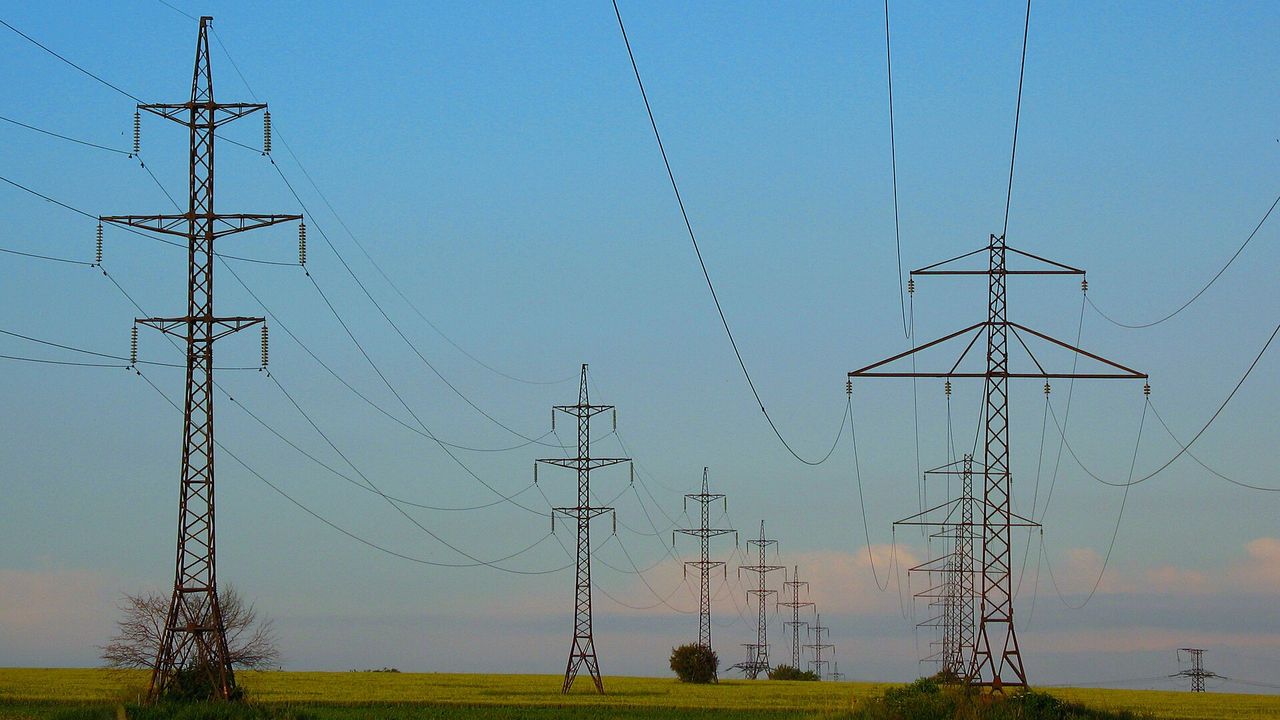
在成本結構劇烈震盪之際,具備剛性需求保護的實體資產展現出獨特的抗震韌性。散裝海運市場受惠於西非礦產出口激增,推動大型散裝船日租金暴漲 4 成;與此同時,受惠於全球電網翻新與資料中心電力缺口,重電龍頭大廠的在手合約能見度已直通 2028 年,海外表後發電系統商更享有顯著的估值溢價。這些板塊的共通點,在於其營收動能並非建立在短期的市場情緒上,而是由長期資本支出與不可替代的實質合約所支撐。當高估值成長股面臨毛利率壓縮與籌碼退潮的雙重考驗時,具備扎實訂單與實體產能限制的重資產族群,正成為避險資金的關鍵避風港。Amid severe margin compression elsewhere, real-asset segments backed by inelastic demand are exhibiting remarkable resilience. In dry bulk shipping, a surge in West African mineral exports drove daily charter rates for large bulk carriers up by 40%. Concurrently, propelled by global grid modernizations and data-center power deficits, leading heavy-electrical equipment vendors boast contract backlogs stretching into 2028, with overseas behind-the-meter generation providers capturing substantial valuation premiums. The common thread across these sectors is that top-line momentum is decoupled from transient market sentiment, anchored instead by multiyear capital expenditures and non-cancellable commitments. As high-multiple growth equities confront shrinking gross margins and capital outflows, asset-heavy plays protected by ironclad order books and physical supply constraints have emerged as critical institutional harbors.
本刊判斷市場正處於指數高檔防禦與結構性調整的關鍵過渡期。在避險部位未顯著收斂前,指數空間將持續受到壓制,缺乏長線籌碼的題材股面臨評價修正風險。接下來的觀察重點在於全球主要央行利率決策後的資金流向,以及外資極端避險頭寸的解除節奏;在宏觀迷霧散去之前,維持流動性並聚焦具剛性合約的實體族群是當前核心方向。AHI Journal views the current market regime as a delicate transitional phase marked by high-level defensive posturing and structural rotation. Until foreign hedging positions see meaningful liquidation, index-level upside will remain capped, leaving sentiment-driven thematic names exposed to severe multiple compression. Going forward, key market signposts include global liquidity reallocation following major central-bank rate decisions and the pace at which foreign accounts unwind extreme short hedges. Until the macroeconomic haze lifts, prioritizing liquidity and pivoting toward hard assets backed by non-discretionary order books remains the paramount strategy.
訂閱版揭露武裝態避險資產配置權重、外資空單結算情境推演,以及第 4 季供應鏈防禦指標清單。The subscriber edition reveals asset-allocation weights for an armed-state stance, foreign short-settlement scenario pathways, and fourth-quarter supply-chain defense metrics.