 AHI Journal
光纖缺料與零組件成本反噬:高階網通擴產遭遇物理供應鏈暗礁Fiber Raw Material Shortages and Surging Component Costs: High-End Optical Networking Expansions Hit Physical Reefs
光聖上半年毛利突破 6 成卻受限光纖原料配額,PCB高多層板與InP基板供應吃緊,硬體升級週期正演變為搶料戰役。FOCI's first-half gross margin topped 60% yet faces fiber material quota caps; with high-layer PCBs and InP substrates tightly constrained, hardware upgrades are turning into an allocation battle.
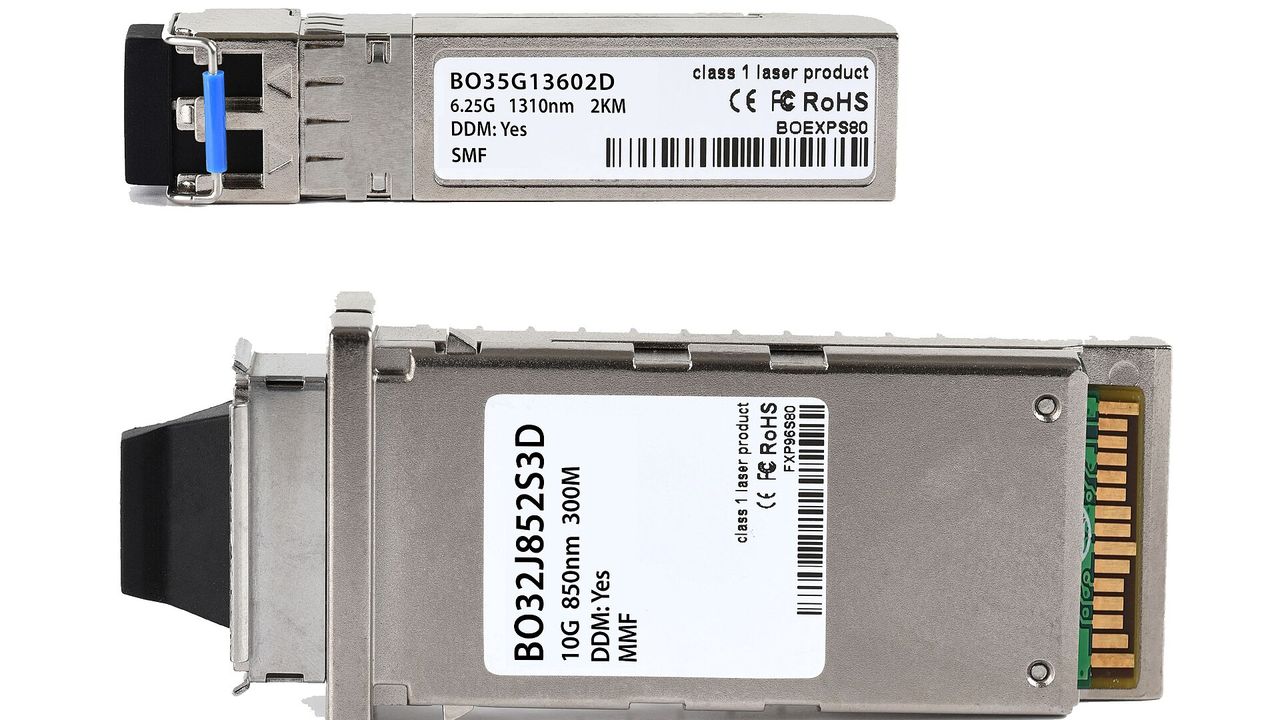
AI資料中心對傳輸頻寬的極致追逐,正將光通訊供應鏈推向物理供給極限。市場聚焦於 800G與 1.6T高速光模組爆發,但上游基礎原料短缺已成為阻礙出貨的實體路障。指標光被動元件廠光聖第 2 季毛利率飆升至 62%,前 8 個月合併營收突破 92 億元,然而營運擴張已完全受制於高階光纖原料的取得配額。當終端訂單急速堆疊,關鍵原料產能擴充卻受限於漫長的物理週期,這場由硬體技術升級帶動的擴產狂潮,已非單純的資本支出競賽,而是演變成全球供應鏈深度失衡的搶料戰役。The AI data center boom and its insatiable thirst for network bandwidth are pushing the optical communications supply chain to its physical limits. While equity markets remain fixated on the explosive rollout of 800G and 1.6T high-speed optical transceivers, upstream raw material deficits have emerged as a tangible bottleneck hobbling finished goods shipments. Passive optical component leader Optical Communication Products Inc. (FOCI) saw its second-quarter gross margin surge to 62%, with cumulative eight-month revenue topping NT$9.2 billion; nonetheless, operational throughput is now constrained by raw material allocations for high-grade optical fibers. As downstream backlogs mount, long manufacturing lead times for upstream inputs have turned this capacity race into an intense scramble for raw materials.
高階光纖與晶圓基板受限配額Fiber Preforms and InP Wafers Bottlenecked by Allocation
這場缺料危機正迅速跨越單一環節,朝整個高階光通訊生態系擴散。高速光收發模組不可或缺的磷化銦基板,受到地緣政治審批以及原廠產能配置箝制,直接壓抑了主要磊晶廠在第 2 季的排程進度。與此同時,光纖預製棒的供應配額也成為制約光被動元件出貨的核心瓶頸。儘管高芯數光纖產品需求暴增,但由於上游特種玻璃材料擴產緩慢,業者即便掌握龐大訂單,亦只能依照分配到的原料總量進行限量生產。當硬體規格快速迭代,缺乏底層基礎材料支持的產能擴充,正在實質拉長產品交付週期。Material shortages are rippling beyond isolated links and into the broader high-speed optical ecosystem. Indium phosphide (InP) substrates, indispensable for high-speed optical transceivers, are constrained by geopolitical licensing approvals and primary fab allocations, which throttled wafer output schedules for major epi-wafer suppliers during the second quarter. Concurrently, supply quotas on fiber preforms have become the primary roadblock capping shipments of passive optical assemblies. Despite voracious demand for high-count fiber architectures, upstream expansion for specialty optical glass remains sluggish, leaving fabricators unable to run above their allotted raw material inputs. As hardware iterations accelerate, capacity buildouts unsupported by baseline input materials are extending product delivery timelines.
高多層載板原料引爆漲價連鎖High-Layer Substrates Trigger an Upstream Pricing Chain
材料瓶頸同樣在高階印刷電路板領域全面發酵。AI伺服器高多層板與高階交換器板的層數要求,動輒突破 28 層乃至 40 層以上,對低介電玻纖布與極高頻銅箔基板的需求形成幾何級數增長。台玻 8 月份合併營收 45.92 億元,表現略遜於市場預期,核心原因即是高階玻纖布的產能擴張速度,追趕不上終端拉貨的激進需求。在供需缺口急遽擴大的背景下,建滔與富喬等上游材料廠商已在醞釀新一輪報價調漲。高階材料供給的結構性僵化,使下游PCB製造商在承受交期延宕的同時,也面臨原物料成本大幅反噬的利潤擠壓。Similar bottlenecks have surfaced across advanced printed circuit boards. High-layer AI server motherboards and premium switch fabrics routinely require 28 to more than 40 layer counts, driving exponential demand for low-dielectric glass fabrics and ultra-high-frequency copper-clad laminates. Taiwan Glass reported August consolidated revenue of NT$4.592 billion, missing street expectations primarily because its capacity expansions in advanced glass fabrics could not keep pace with aggressive pull-ins. Facing widening structural supply gaps, upstream material producers including Kingboard Holdings and Fulltech Fiber Glass are preparing fresh price hikes. The structural rigidity in high-grade input supply not only saddles downstream PCB makers with extended lead times, but also erodes gross margins via raw material cost inflation.
長短料失衡導致系統組裝承壓Kitting Mismatches Pressure Downstream System Assembly
零組件短缺與成本攀升的代價,最終由終端系統整合與組裝廠概括承受。在伺服器電源端,關鍵功率元件與高容積積層陶瓷電容的缺貨,使整體交付時程出現數週落後。這類長短料問題迅速傳導至周邊機構件,勤誠與南俊國際等機殼與導軌業者,8 月份的營收達成率普遍回落至 57%至 66%區間,主因正是組裝線因零件不齊套而放緩拉貨節奏。訂單爆滿卻無法轉化為完整出貨的矛盾,不僅迫使製造商承擔龐大的在製品庫存,也使得營運資金週轉天數顯著攀升,形成嚴重的資金積壓風險。The financial toll of parts shortages and input inflation lands squarely on downstream system integrators and contract assemblers. In the server power segment, shortages of high-voltage power devices and high-capacitance multilayer ceramic capacitors (MLCCs) have pushed delivery schedules out by several weeks. These component mismatches have quickly spread to mechanical enclosures. Server chassis and slide-rail suppliers such as Chenbro Micom and Nan Juen International saw August revenue run rates fall to between 57% and 66% of internal forecasts, as finished assembly lines slowed pull-ins on incomplete kits. This inability to clear packed backlogs into billable shipments burdens manufacturers with bloated work-in-process inventory and extends working capital cash conversion cycles.
高階網通與伺服器族群當前的市場評價,高度依賴產能逐季無縫放量的樂觀預期。然而,光纖預製棒、磷化銦基板與特種高階樹脂的擴產週期長達 18 至 24 個月,並非短期資金能立即填補。後續必須緊盯高階材料交期是否持續惡化,一旦零組件齊套延宕迫使終端機櫃建置放緩,高估值架構將承受下修壓力。Current market valuations across networking hardware and server supply chains hinge on expectations of seamless, quarter-over-quarter volume acceleration. However, capacity expansion cycles for optical preforms, InP substrates, and specialty advanced resins range between 18 and 24 months, defying fast capital-fueled solutions. Going forward, investors must monitor whether lead times for specialized materials continue to widen. If kitting shortfalls ultimately stall finished rack deployments, richly valued tech multiples face downward pressure.
訂閱版梳理光纖預製棒與InP擴產週期序列、組裝廠庫存週轉率預警線,以及伺服器機櫃遞延檢查點。The subscriber edition details fiber preform and InP expansion lead-time schedules, assembler inventory turnover warning lines, and rack-level delivery delay audit points.