 AHI Journal
DRAM長約漲價潮推動外資買超 869 億元 權值股領軍收復 47000 點DRAM Long-Term Contract Price Hikes Drive NT$87.0 Billion Foreign Inflow as Mega-Caps Reclaim 47,000
伺服器高階需求排擠標準型產能使合約價續揚,外資現貨創單日第 5 大買超並帶動期貨空單回補 2564 口High-end server demand crowds out standard capacity, lifting contract prices as foreign funds post their fifth-largest single-day net buy and cover 2,564 futures short contracts.
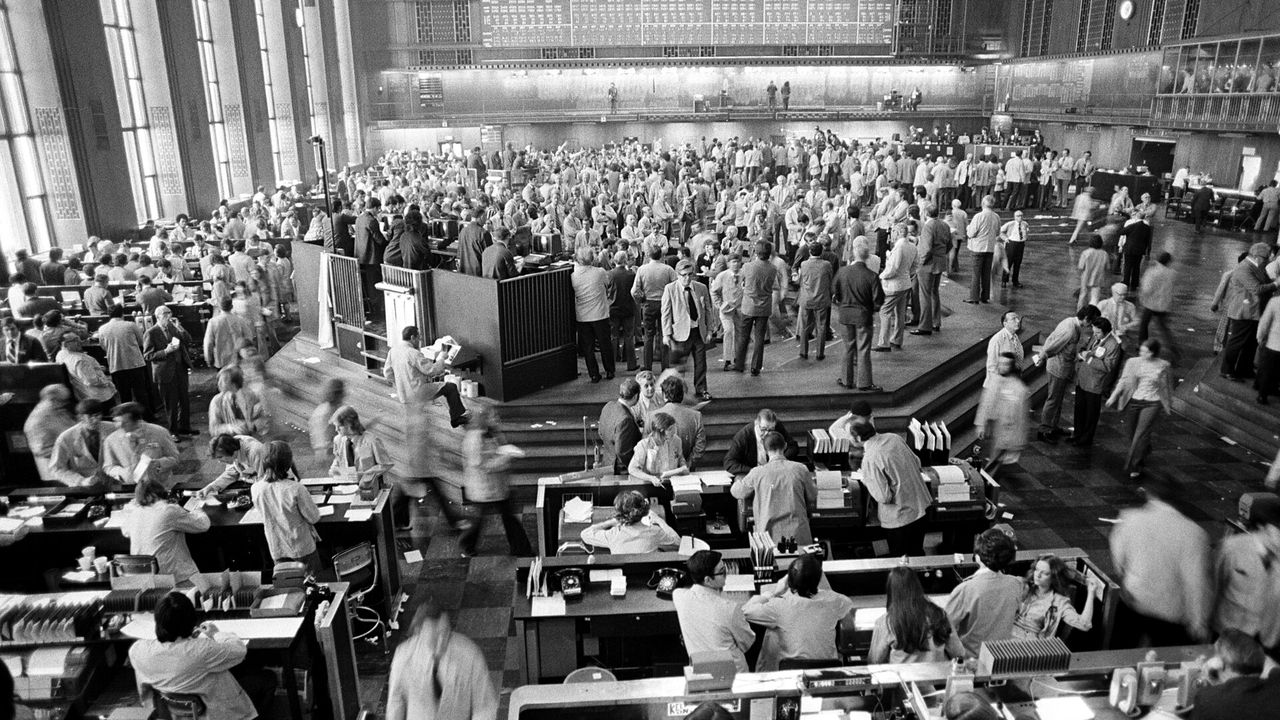
9 月 18 日台灣加權指數暴漲 892.75 點,以 47,180.75 點強勢收復整數關卡,集中市場爆出 11,423.22 億元的罕見巨量。外資單日買超 869.94 億元,寫下台股歷史第 5 大單日買超紀錄,連同投信與自營商合計三大法人單日注資達 1,194.51 億元。這場強勢回補的背後,並非單純跌深反彈的流動性灌注,而是AI伺服器對高階記憶體的龐大吸納效應,已實質排擠標準型產能,迫使雲端巨頭簽署長約鎖定貨源。記憶體與成熟製程供應鏈迎來漲價潮,為大型權值股構築出獲利下限墊高的實質防禦力。On September 18, Taiwan's benchmark Taiex surged 892.75 points to close decisively above the key psychological threshold at 47,180.75, backed by an extraordinary centralized market turnover of NT$1.1423 trillion. Foreign institutional investors net purchased NT$86.994 billion in a single session—the fifth-largest single-day net buy in the exchange's history—propelling total net inflows across the three major institutional investor groups to NT$119.451 billion alongside domestic investment trusts and proprietary trading desks. Behind this powerful short-covering rally lies more than mere liquidity injection into oversold names; relentless demand for high-end memory in AI servers has actively crowded out standard commodity capacity, forcing cloud hyperscalers to ink long-term agreements to lock in supply. A broad price-hike cycle across memory and mature semiconductor nodes is now building a tangible floor under the earnings of Taiwan's heavyweight tech bellwethers.
伺服器排擠效應引爆長約漲價潮Server Demand Squeezes Capacity, Igniting Long-Term Contract Price Hikes
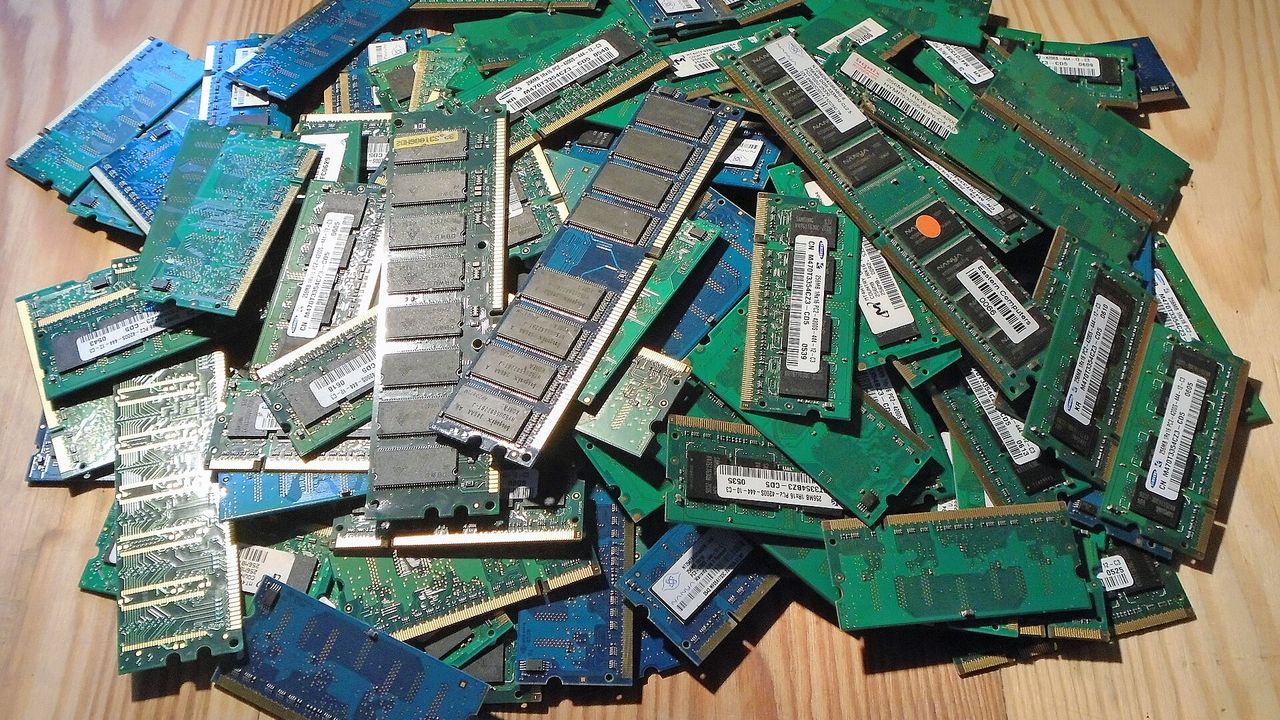
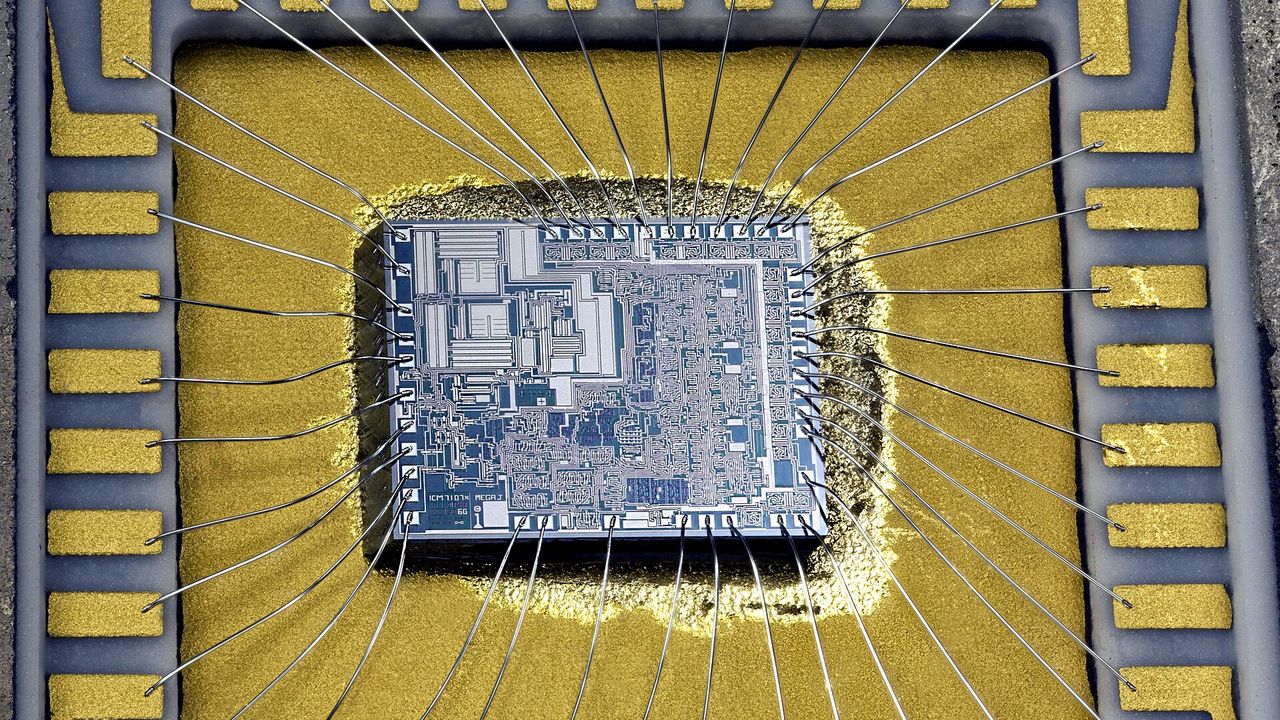
記憶體供需體系的結構性轉變是這輪行情的首要驅動力。英特爾預警晶片短缺將延續至 2027 年,AI伺服器對高頻寬記憶體與高階DDR5 的強烈渴求,迅速吸乾上游晶圓產能,導致標準型DDR4 與快閃記憶體供給缺口持續放大。以南亞科為例,8 月自結營收衝上 446.90 億元,較去年同期呈現倍數級翻揚。各大製造廠更順勢與全球雲端服務業者簽署 3 年至 5 年的長期供應合約,並在條約中設立價格下限保護機制。這項商業模式的轉向,使記憶體族群正式脫離過去劇烈波動的景氣循環,轉型為具備穩定定價權的防禦性資產。The primary catalyst behind this rally is a structural transformation in memory supply and demand dynamics. With Intel warning that chip shortages could persist into 2027, the voracious appetite for high-bandwidth memory and advanced DDR5 in AI servers has rapidly absorbed upstream wafer capacity, steadily widening the supply shortfall in standard DDR4 and flash storage. Nanya Technology, for instance, reported unconsolidated August revenue of NT$44.690 billion, more than doubling from the year-ago period. Major fabricators have seized the initiative, signing three- to five-year supply pacts with global cloud service providers that incorporate minimum price floors. This business-model shift marks a critical transition for the memory sector, transforming it from a notoriously volatile cyclical trade into a defensive asset class endowed with steady pricing power.
外資大買成熟製程帶動產能復甦Foreign Inflows Sweep Mature Nodes, Driving Broad Capacity Revival
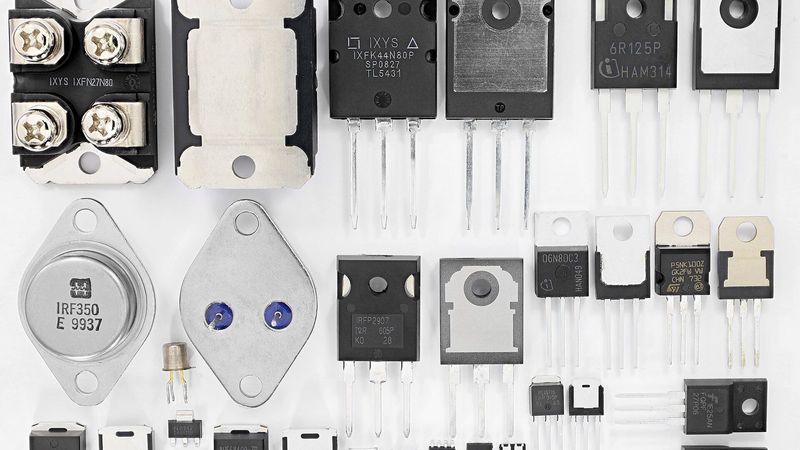
資金板塊的移動路徑隨之從先進封裝單點突破,迅速外溢至成熟製程晶圓代工與封測體系。外資當日大舉敲進力積電 77,685 張、華邦電 42,774 張與南亞科 32,233 張,聯電亦獲 28,366 張買盤進駐。產能排擠引發連鎖效應,推動成熟製程產能利用率自低檔大幅拉升至 90%水準,代工業者更醞釀全面調升報價 5%至 10%。半導體族群當沖成交值衝破 1,307 億元,反映短線資金積極搶進。供應鏈全面漲價確立了晶片製造鏈的重估週期,擺脫終端消費疲弱的陰霾,成熟節點業者同步迎來毛利與營收擴張的修復期。Institutional capital flows have accordingly spilled over from advanced packaging bottlenecks into mature foundry nodes and OSAT infrastructure. Foreign funds aggressively piled into Powerchip Semiconductor Manufacturing Corp. (PSMC) with 77,685 contracts, Winbond with 42,774 contracts, and Nanya Technology with 32,233 contracts, while UMC drew 28,366 contracts in net buying. The cascading effects of capacity displacement have lifted mature foundry utilization from cyclical troughs to roughly 90%, prompting foundries to prepare broad-based price increases of 5% to 10%. Semiconductor day-trading turnover topped NT$130.7 billion, highlighting aggressive short-term participation. Across-the-board supply-chain price hikes have firmly established a valuation re-rating cycle across the chipmaking complex, dispelling consumer-electronics gloom and setting the stage for concurrent margin and revenue recoveries at mature-node players.
期現貨強軋空遭遇總體經濟阻力Cash-Futures Short Squeeze Confronts Macro Headwinds
指數逼近歷史高點 47,578 點之際,籌碼面呈現多空激烈對撞。外資單日大幅回補台指期未平倉空單 2,564 口,使留倉淨空單降至 76,110 口,現貨爆量搭配期貨避險部位減持,形成典型的軋空推升架構。然而融券餘額單日逆勢增加 6,677 張,融資總額更推升至 5,940 億元高檔,顯示高檔避險與投機買盤同步膨脹。與此同時,布蘭特原油現貨仍在每桶 100 美元高位震盪,美國 10 年期公債殖利率緊貼 5%水準,長期高利率環境對科技股估值的折現壓力猶存,終端買氣若無法承受元件漲價,長線需求仍有降溫隱憂。As the index closes in on its all-time high of 47,578, technicals reveal a tense standoff between bulls and bears. Foreign investors covered 2,564 short contracts in Taiex futures in a single day, trimming their open net short position to 76,110 contracts; this combination of record cash turnover and futures short-covering forged a classic short-squeeze framework. However, margin short sales rose contrarily by 6,677 contracts, while total margin debt swelled to a elevated NT$594.0 billion, signaling a simultaneous surge in high-level hedging and speculative retail leverage. Concurrently, Brent crude remains choppy near US$100 per barrel and the 10-year U.S. Treasury yield is pinned near 5%, keeping valuation discount pressures firmly on tech multiples. Should end-market buyers prove unable to absorb component price hikes, secular end-demand risks losing steam.
本刊判斷,半導體供應鏈漲價已提供大盤堅實的估值下檔防線,台股多頭結構並未改變。接下來盤面聚焦 2 大觀察方向:記憶體營收成長動能是否切實轉化為高毛利率擴張,以證實獲利修復成真;以及外資期貨淨空單能否持續消化回補,進一步帶動現貨市場突破歷史前高。AHI Journal views semiconductor supply-chain price hikes as having established a sturdy valuation floor for the broader index, leaving the secular bullish architecture intact. Near-term focus centers on two fronts: whether surging memory revenues genuinely translate into sustained gross margin expansion to validate bottom-line recovery, and whether foreign futures net short positions continue to unwind, paving the way for the cash market to mount a decisive breakout past its historical peak.
訂閱版提供外資買賣超個股明細表、記憶體長約毛利率檢查點,以及期貨淨空單轉折之否證條件分析。The subscriber edition details foreign institutional trading flows by ticker, provides gross margin verification thresholds for long-term memory contracts, and outlines falsification triggers for a reversal in net short futures exposure.