 AHI Journal
CPU運算權重重估引爆權值輪動CPU Computing Weight Revaluation Triggers Large-Cap Rotation
Meta新代理架構帶動非GPU運算算力補課,台達電與聯發科放量推升大盤,外資期現貨同步翻多。Meta's new agent architecture drives catch-up demand for non-GPU computing power; Delta Electronics and MediaTek surge on heavy volume to lift the index as foreign institutional investors flip net long in both cash and futures markets.
9 月 21 日Meta推出個人人工智慧代理架構後,美股晶片雙雄英特爾與超微單日飆漲約 1 成,引爆全球硬體市場對運算結構的全面重估。台灣加權指數隨即大漲 538.09 點,電子類股成交比重暴衝至 81.49%,遠超越過去一個月常態區間。這場強勢反彈並非單純資金泛濫的盲目追價,而是演算法轉型帶動的運算權重再平衡。外資單日買超現貨達 204.79 億元,期貨市場更罕見翻為正價差 358 點,顯示跨國機構法人正大幅重整資產配置,將資金目光從昂貴的單一圖形處理器,擴散至支撐大型推論所需的中央處理器與特殊應用晶片供應鏈。Meta's unveiling of its personal AI agent architecture on September 21 sent U.S. chipmakers Intel and AMD soaring roughly 10% in a single session, igniting a comprehensive global hardware revaluation of computing architectures. Taiwan's Taiex promptly surged 538.09 points as the electronics sector's share of total turnover spiked to 81.49%, well above its typical range over the past month. Far from an indiscriminate liquidity-driven rally, this sharp rebound reflects an algorithmic-shift-induced rebalancing of computational weightings. Foreign institutional investors logged net spot purchases of NT$20.479 billion, while the futures market flipped to a rare 358-point premium—underscoring that multinational institutions are aggressively overhauling portfolio allocations by pivoting capital from costly standalone GPUs toward the CPU and ASIC supply chains essential for large-scale inference.
推論架構顛覆單一晶片軍備競賽Inference Architecture Disrupts Single-Chip Arms Race
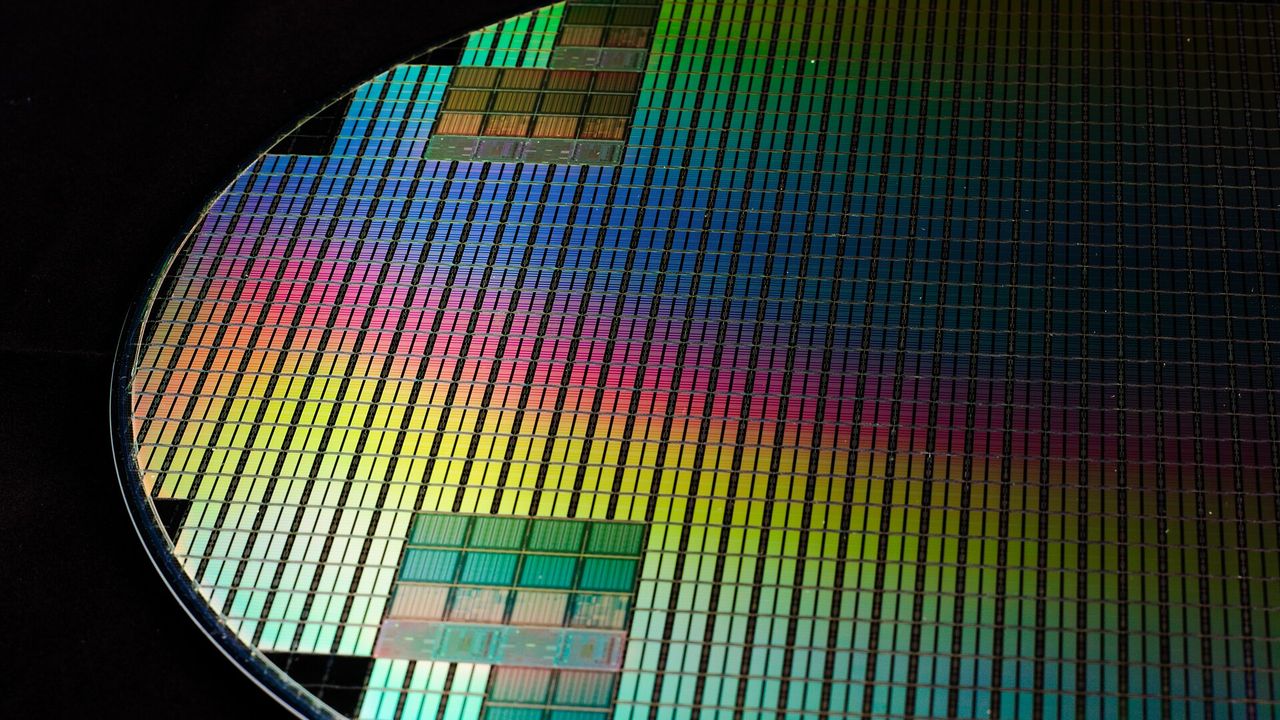
市場原先高度聚焦於繪圖晶片的出貨節奏,但隨各類個人代理模型進入落地應用階段,高階通用處理器與周邊架構的傳輸頻寬需求急速攀升。台達電單日勁揚 8.07%,聯發科更收在 5,010 元歷史新高,兩者對大盤貢獻逾 300 點。支撐評價重估的基礎在於扎實的業績爆發,台達電 8 月合併營收繳出 641.83 億元、年增 44.1%的成績單,彰顯高壓直流電與先進液冷組件的剛性地位。與此同時,客製化晶片設計服務商與伺服器管理控制晶片大廠訂單能見度已排至數年之後,甚至啟動雙位數漲價機制,證明非圖形運算生態系的升級已轉化為具體獲利動能。Markets had previously fixated on GPU shipment schedules, but as personal agent models enter real-world deployment, bandwidth demands across high-end general-purpose processors and peripheral architectures are accelerating. Delta Electronics surged 8.07% on the day, while MediaTek closed at an all-time high of NT$5,010, together contributing over 300 points to the benchmark index. Anchoring this revaluation is robust fundamental growth: Delta's August consolidated revenue reached NT$64.183 billion, up 44.1% year-on-year, illustrating the indispensable role of high-voltage direct-current and advanced liquid-cooling systems. Concurrently, ASIC design services and server management controller makers boast order visibility stretching out several years and have instituted double-digit price hikes, demonstrating that the non-GPU computing ecosystem's upgrade cycle is translating into tangible earnings momentum.
權值吸金引發中小型股流動性緊縮Megacap Concentration Triggers Liquidity Squeeze in Broader Market
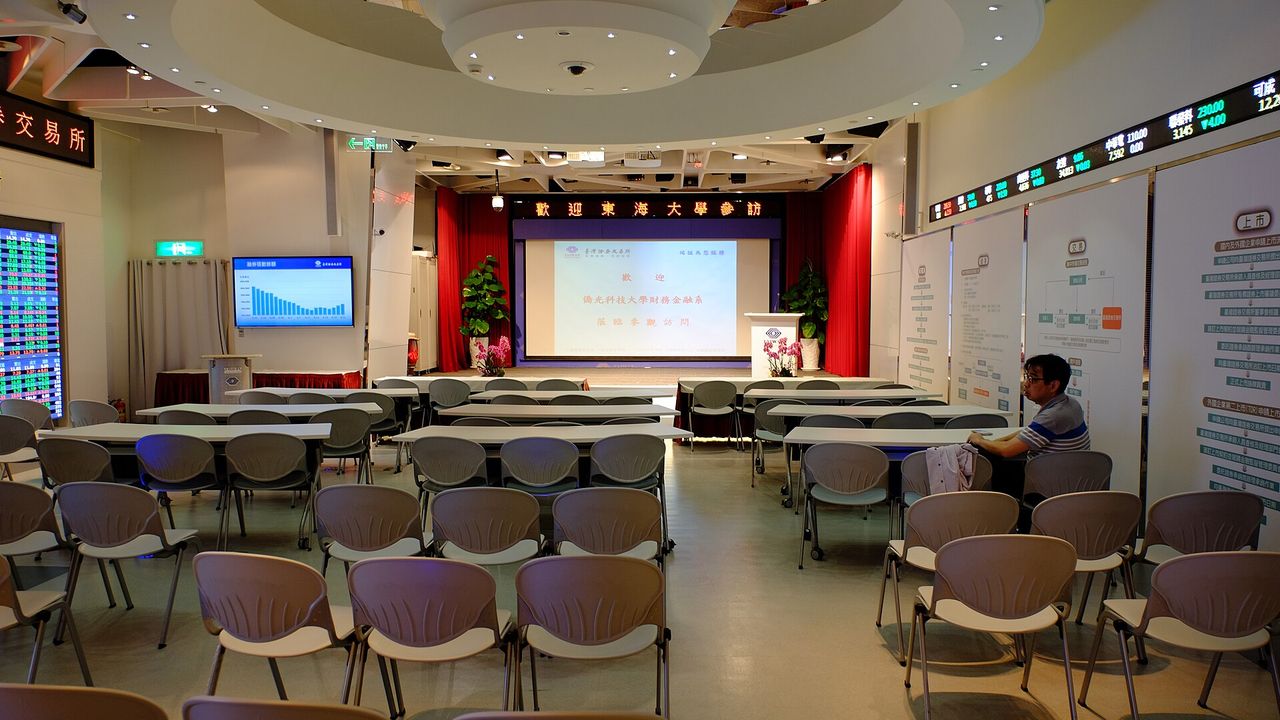
表面上的指數激情,未能掩蓋整體盤面日益擴大的分歧裂痕。在大盤單日大漲逾 500 點之際,集中市場成交量反而收斂至 8,202 億元,櫃買指數更逆勢微跌 0.03%,反映資金極度往少數市值破兆的超級權值股聚攏。中小型半導體與設備族群未蒙其利,反而承受法人抽離流動性所引發的實質調節賣壓。更嚴峻的警訊在於全體市場融資餘額已迅速突破 6,030 億元大關,意味著高檔籌碼正充斥散戶融資槓桿與外資追價部位的激烈換手。市場整體的防禦深度正因極端的板塊挪移而急遽削弱,脆弱體質並未隨指數登頂而獲得舒緩。The headline index euphoria failed to conceal widening divergences across the broader market. Even as the benchmark surged over 500 points, centralized market turnover narrowed to NT$820.2 billion, while the OTC index slipped 0.03%, reflecting capital concentration into a handful of trillion-dollar megacaps. Far from benefiting, small- and mid-cap semiconductor and equipment names weathered institutional selling pressure as liquidity was siphoned away. A more pressing warning sign lies in the market-wide margin debt balance, which swiftly breached NT$603.0 billion, signaling that peak-level shares are changing hands amid elevated retail margin leverage and foreign momentum-chasing positions. The market's defensive breadth is deteriorating rapidly under this extreme sector rotation, leaving structural vulnerabilities unresolved despite the index's record run.
極短線套利槓桿加劇盤勢結構風險Ultra-Short-Term Arbitrage Leverage Amplifies Structural Risks
深層的資金流向揭示當前多頭結構蘊含的不穩定因子。當日半導體類股當沖交易金額高達 1,240.13 億元,佔整體當沖比重達 38.40%;電子零組件當沖金額亦達 847.38 億元,佔比超過 26%。自營商單日買超 227.30 億元甚至超越外資動能,顯示當前權值股的劇烈波動,在相當程度上是由短線避險、權證對沖與現券當沖等高頻槓桿工具所堆砌而成。這類缺乏長期持有承諾的寄生性資金,對價格回檔的忍受度極低。一旦指標權值股的現貨追價動能出現停滯,龐大的短線槓桿部位在退場時恐引發多殺多連鎖反應,加劇市場震盪。Underlying capital flows reveal structural fragilities beneath the ongoing bull run. Day trading in semiconductor shares reached NT$124.013 billion, representing 38.40% of total day-trading turnover; electronics components saw NT$84.738 billion in day-trading value, or over 26%. Proprietary trading desks recorded single-day net purchases of NT$22.730 billion, outpacing foreign inflows and highlighting how megacap swings are heavily engineered through high-frequency leverage, warrant hedging, and short-term intra-day bets. Such transient capital lacks long-term commitment and maintains a low tolerance for pullbacks. If spot buying momentum in bellwether heavyweights stalls, the unwinding of these leveraged positions risks triggering a cascading long squeeze that could amplify market volatility.
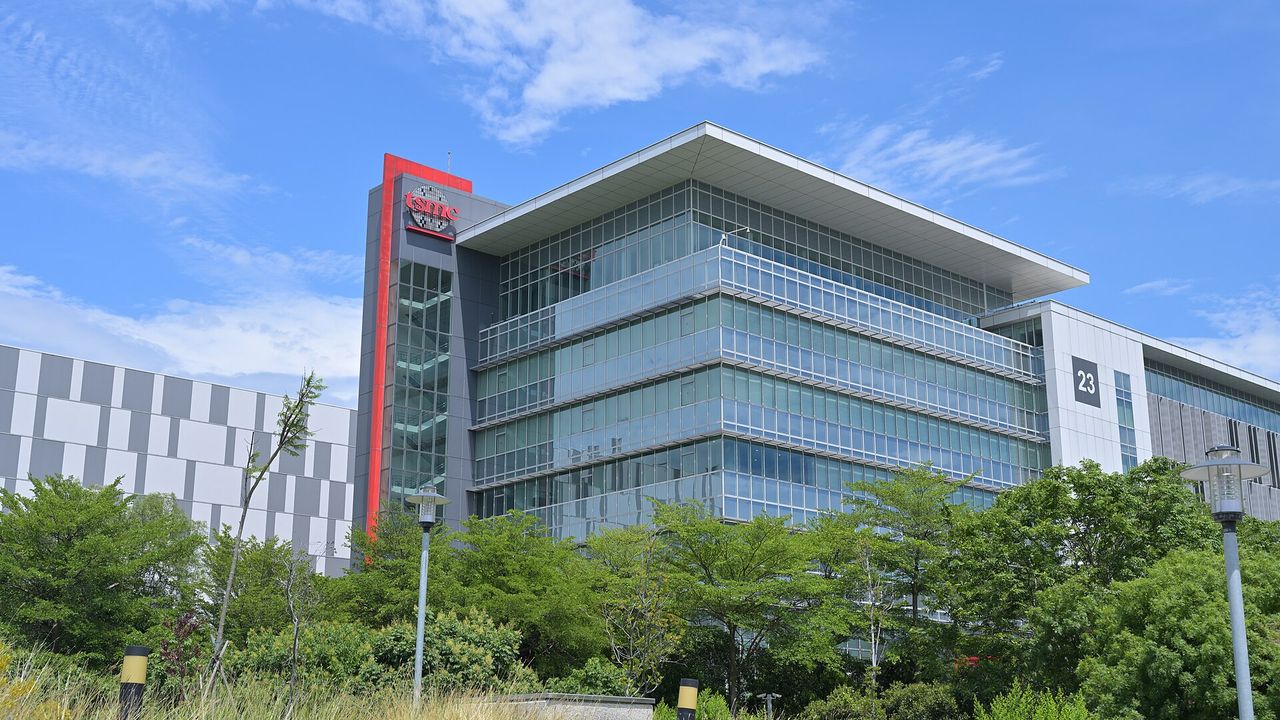
本刊判斷,這場由運算典範轉移驅動的權值重估尚未終結,但結構分化已使追價風險急遽升溫。接下來盤勢能否站穩高位,首要觀察晶圓代工龍頭法說會對高階先進製程產能利用率的最新指引,這將直接檢驗運算架構擴散的實質成色;其次需緊盯美國央行貨幣政策的利率意向與資金鬆緊,防範估值偏高部位面臨全球流動性收縮的逆風。We judge that this computing-paradigm revaluation of megacaps is not yet over, but severe structural divergence has elevated the risks of chasing rallies. The market's ability to consolidate at these highs will hinge primarily on the foundry giant's upcoming earnings call and its capacity utilization guidance for advanced nodes, which will test the substance of computing architecture diffusion. Secondarily, investors must closely monitor Federal Reserve interest rate policy and global liquidity conditions to guard against contractionary headwinds targeting richly valued segments.
訂閱版提供外資期貨部位完整序列、伺服器零組件拉貨清單,以及台積電法說驗證點。The subscriber edition details full institutional futures positioning series, component-level server procurement roadmaps, and key operational checkpoints for TSMC's upcoming investor conference.